Thursday, January 15, 2026

Eco Sunglasses That Make the Outfit

Share

Sunglasses have always made the outfit.

Your sunscreen is clean and reef-safe, your bathing suit is made from recycled materials, and those poolside popsicles are made from organic juice, free from artificial ingredients. The only thing missing from this eco-friendly scene? The perfect pair of sustainable sunglasses.

But not anymore. The era of responsibly made sunglasses is upon us.

Not all sunglasses are made equal. Most are still made with virgin materials like zylonite and polycarbonate — both come from plastic, contributing significantly to environmental degradation. In response, consumers and manufacturers are turning to eco-friendly alternatives. Materials like recycled plastics, bamboo, and bio-acetate are gaining popularity for their reduced environmental impact. Bamboo, for instance, is a renewable resource that requires minimal water and no pesticides, making it a sustainable choice for eyewear frames.

Sustainable sunglass materials

Derived from natural and renewable sources, primarily plant-based materials such as wood pulp and cotton fibers, the journey of bioacetate began as part of the broader movement toward sustainable and eco-friendly materials. Traditional acetate, widely used in eyewear, is petroleum-based and has significant environmental impacts. The development of bioacetate was driven by the need to reduce reliance on fossil fuels and minimize the ecological footprint of manufacturing processes. Over the years, advancements in biotechnology and materials science have significantly improved the production of bioacetate, making it comparable to traditional acetate when it comes to flexibility, durability, and aesthetic appeal.

This has also made the material more cost-effective, and as consumer demand increases for sustainable products, it has also played a crucial role in making bioacetate more accessible. Eyewear companies are responding to this demand by sourcing eco-friendly materials and promoting sustainable practices. As a result, suppliers of bioacetate have expanded their operations, making the material more readily available to a broader range of manufacturers. Luxury labels including Gucci, Stella McCartney, Chloé, and Salvatore Ferragamo have all launched eco-friendly sunglasses, mainly by embracing bioacetate.

Karl x Amber Valletta Blue Blok Sunglasses.
Karl x Amber Valletta Blue Blok Sunglasses

But while bioacetate may be the most common, it isn’t the only material making its way into eco sunglasses. Recycled plastics, especially from ocean waste, are increasingly used to produce eco-friendly sunglasses. Companies collect discarded plastic bottles, fishing nets, and other marine debris, transforming them into durable eyewear frames. This process helps reduce ocean pollution and repurposes materials that would otherwise contribute to environmental degradation.

Bamboo, a fast-growing, renewable resource that requires minimal water and no pesticides, also makes an excellent material for sunglasses frames. Bamboo is also biodegradable, ensuring that it has a minimal environmental impact at the end of its life cycle. Likewise, sustainably sourced wood, including reclaimed or FSC-certified wood, is another popular material for eco-friendly sunglasses.

Wooden frames offer a unique aesthetic and can be biodegradable. Using wood from managed forests ensures that the material is harvested responsibly, supporting sustainable forestry practices. Manufacturers are also using cork, bio-based plastics, hemp, as well as recycled metals and rubber to round out sunglasses with sustainable materials.

Leading the eco sunglass shift

The latest to join the trend is the Los Angeles-based sustainable fashion label Reformation, which announced a new collaboration with popular French eyewear label Jimmy Fairly on its foray into the world of eco-sunglasses last year. The renewable and biodegradable Reformation x Jimmy Fairly frames are made from a bio-acetate that combines cellulosic acetate and a veggie-based plasticizer, and, the bio-nylon lenses are derived from castor bean oil. The frames come in styles ranging from retro cat eye to micro, and, of course, aviators.

“Reformation’s mission is to bring sustainable fashion to everyone,” Sarah Budhiman, VP of global business development at Reformation told Elle. “Two specific ways that we are delivering on that mission include expanding into new categories and introducing the brand to new geographies.” According to Budhiman, the new collection is a way for Reformation to test the demand for sunglasses with its customers, “and give them a new way to complete their summer wardrobe with Ref,” she said.

sustainable sunglasses
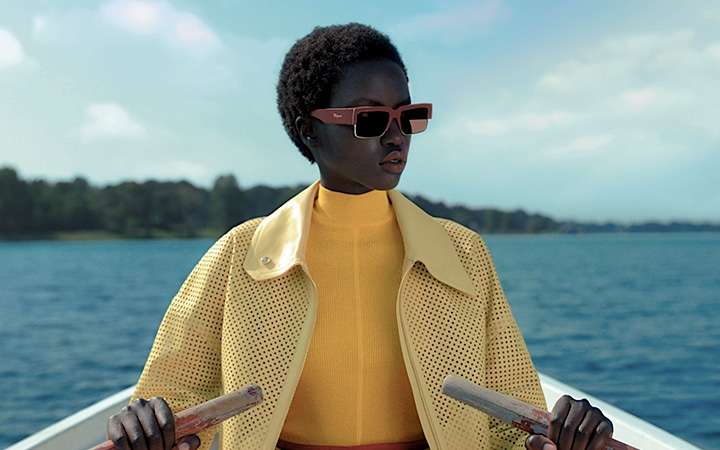
Courtesy Salvatore Ferragamo

Spanish label Meller has launched a collection of sunglasses made with a biodegradable resin also from castor seeds. Its collection also embraces non-toxic and 100 percent recyclable PET in its cases and certified forest fiber packaging.

Gucci has developed bio-based acetate frames under its Off the Grid collection, part of its broader Circular Lines initiative. The Italian house uses a mix of castor-oil-derived bioplastics and recycled steel in its eco-conscious eyewear, while packaging is crafted from responsibly sourced paper and carries FSC certification. Gucci has also pledged to become entirely climate-neutral throughout its supply chain, reinforcing the message that sustainability can coexist with high fashion.

Stella McCartney, a longtime leader in sustainable luxury, continues to set the bar by refusing to use virgin plastics or animal-derived materials across all of its collections. The brand’s sunglasses are made with bio-acetate sourced from renewable wood and cotton fibers, often combined with lenses crafted from recycled content.

Chloé’s eyewear, designed in partnership with luxury licensee Kering Eyewear, incorporates bio-based acetate, too, but the brand goes a step further by applying sustainable thinking to color palettes and lens coatings. The Maison launched its “eco-friendly” collection with up to 40 percent of the sunglasses’ weight made from recycled or bio-sourced materials. Subtle details, like low-impact dyes and plant-based nose pads, offer a glimpse into how design decisions can be both aesthetic and ecological.

Salvatore Ferragamo has also introduced sustainable sunglasses made from bio-acetate, aligning with its broader “Responsible Passion” platform. The heritage brand uses materials made from cellulose extracted from responsibly managed forests. While Ferragamo may not be as vocal as others, it has taken tangible steps to ensure its accessories reflect a commitment to environmental stewardship without compromising its legacy of Italian craftsmanship. These moves from top-tier fashion houses signal a larger shift: sustainability is no longer a niche pursuit for indie brands — it is becoming embedded in the DNA of legacy luxury.

Best eco sunglasses

From luxury labels to celebrity collections and everything in between, these are the best sunglasses no matter what your style preference.

Stella McCartney

From the first name in sustainable design, Stella McCartney brings her eco ethos to your face with 100 percent bio-acetate sunglasses and finished with a palladium studded logo at the temples.

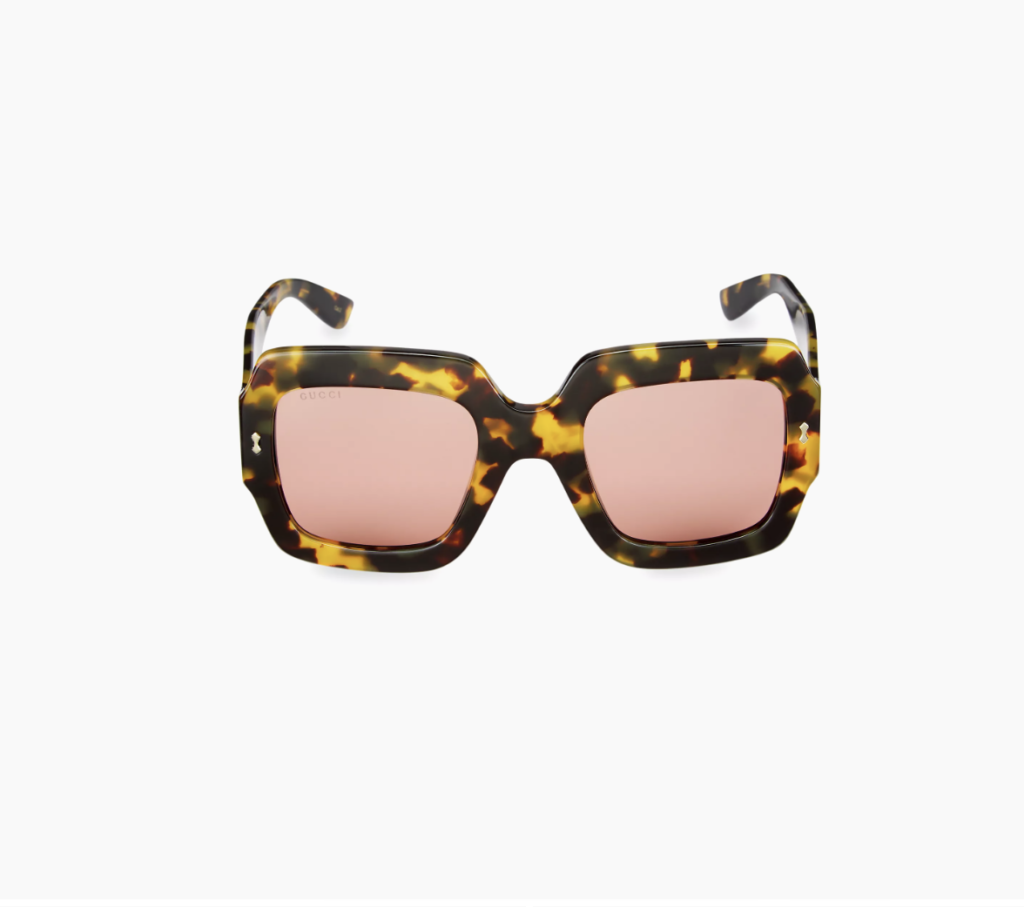
Gucci

From Gucci’s Sustainability Collection, these sunglasses are made with bio-acetate and provide 100 percent UV protection via wide, gradient lenses. Like its other forays into responsible fashion, the visionary brand brings the same attention to detail to its eyewear for a look that’s stunning and performance that’s unmatched.

Chloé

Chloé delivers a retro flare with these aviator sunglasses for women featuring a havana and pink nude frame combined with gradient rust lenses for a classic and effortlessly chic look. The bio-based acetate frame is embellished with metal inserts and includes drop-shaped openings at the temple tips. 100 percent UVA and UVB protection.
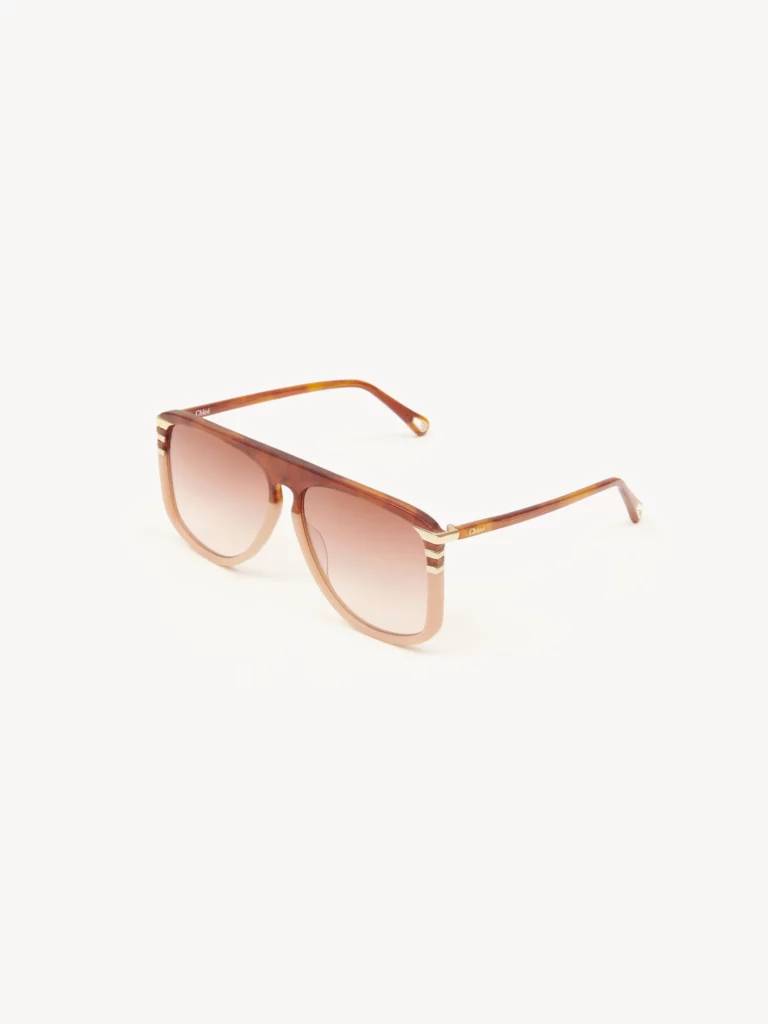
chloe sunglasses

Salvatore Ferragamo

Luxury label Salvatore Ferragamo has been steadily increasing its sustainable selections. Eyewear is no exception. The brand launched into the category in 2021 with a range of frames, including sunglasses made from recycled and renewable materials. It uses Eastman Acetate Renew, which blends bioplastic from wood pulp with recycled materials left over from industrial practices. BioRay lenses are made from castor-oil-based plastic. The cases are sustainable, too, made from Lino 39, which combines natural, renewable, and biodegradable linen and cotton outer and post-consumer polyester lining.

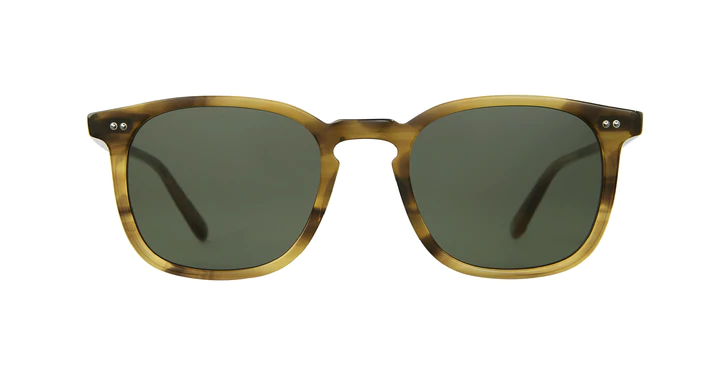
Garrett Leight

Beloved by celebrities including Leonardo DiCaprio and the Kardashians, luxury eyewear label Garrett Leight released its first sustainable collection earlier this year.

The Venice Beach-based brand has always prioritized quality materials and processes, including its high-quality ZEISS lenses. But the new GLCO eyewear is the label’s first to use an eco-acetate for its frames. The bio-based and biodegradable materials reduce emissions by 60 percent compared to traditional plastic frames. They also require less than half of the energy to produce.
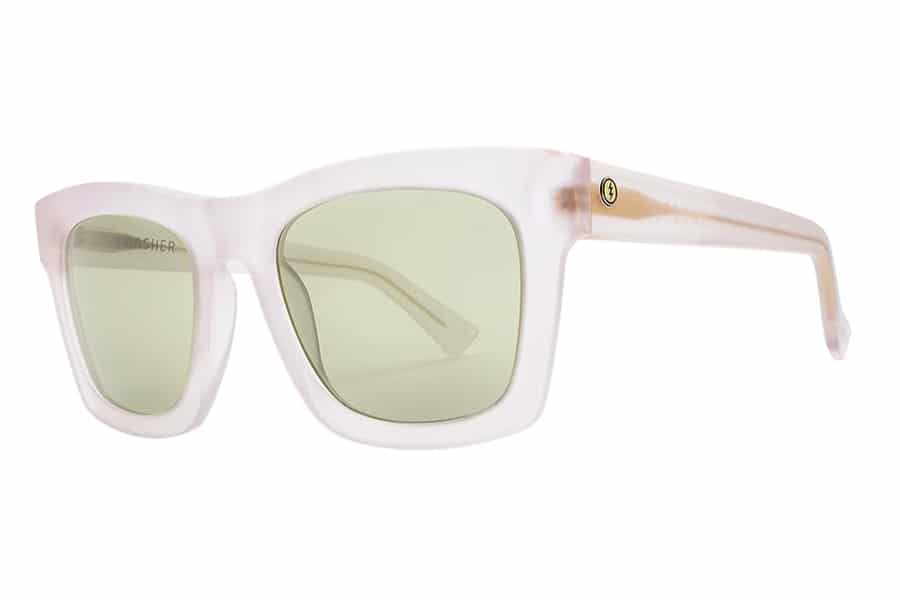
Electric x Jason Momoa

You can be fairly certain that if Jason Momoa has lent his name to a product or cause, it’s making the world a better place. Case in point: the Aquaman star recently partnered with Electric on a second sustainable frames collection.

The new collection features two colorways including a matte pink and a rose tort, the same colors in another Momoa collab — the sustainable shoes he launched with On the Roam. The Electric sunglasses are made from Italian M49 bio acetate and come in recycled chipboard boxes and recycled nylon microfiber storage and cleaning bags.
It’s not just sunglasses getting all the eco-love. Warby Parker’s sustainable eyeglasses turn old lenses into new frames.

Related on Ethos:

All products featured on Ethos have been independently selected by our editorial team.
When you buy something through our links, Ethos may earn an affiliate commission.

Related

Plum Diamonds Was Built for the Lab-Grown Diamond Moment

As lab-grown diamonds are now mainstream, the definition of what makes a diamond “real” is shifting. Plum Diamonds offers a lens on how craftsmanship, intention, and confidence are replacing origin as the markers of value.

Secondhand Nike, Ugg Outpaced Traditional Sneaker Growth In 2025

StockX data show comfort silhouettes from Nike and Ugg delivered the fastest growth on the secondhand market.

10 ‘Sustainable’ Shopping Myths Debunked: Why Buying Better Starts With Unlearning Everything

Sustainable shopping is full of contradictions. Here are ten of the most common myths — debunked with expert insight, real data, and a look at what it really means to buy better.

Recycling Your Old Denim Is Tricky, But Doable

Can worn denim be recycled? Sort of. Here's what you need to know.

From Fringe to Flow, Eco Staples for the Boho-Inspired Closet

From Blake Lively bringing it to the red carpet to the street style revival, boho chic is back and better than ever. Here's how to get the boho look.