

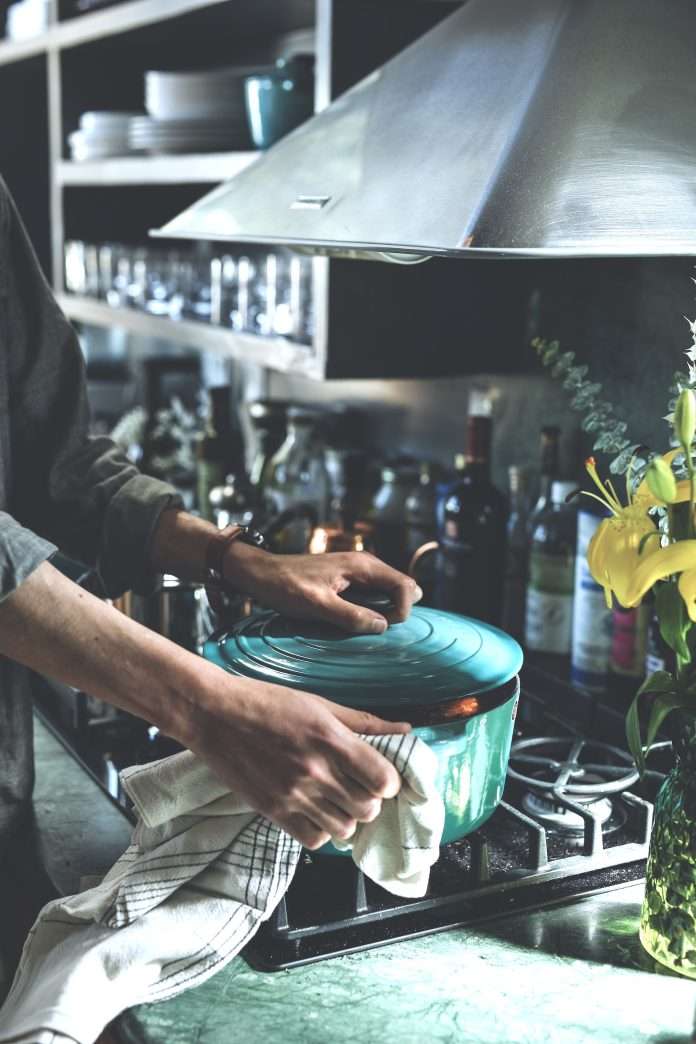
Sustainable, non-toxic kitchenware is widely available these days. Say goodbye to the Teflon and ‘forever chemicals’ and cook delicious meals that keep you and the planet healthier.
As summer winds down, many of us pivot from salads, smoothies, and al fresco dining back to more laborious recipes — soups, stews, casseroles, and the like. You may have even baked your first banana bread of the season, made cookies, or (gasp!) even started planning those holiday meals ahead.
As you dig your once-forgotten loaf pans and skillets out of storage for the first time in months, you may wonder “is this still safe to use?” While the passage of time probably isn’t a cause for alarm, the truth is many cookware products have harmful chemicals in them that can leech into our food and therefore into our bodies.
However, there are a plethora of brands on the market creating a whole new category of clean cookware to keep your plant-based recipes as healthy as possible.
Chemicals lurking in our old cookware
We have heard how coatings on cookware can be toxic for us, but, specifically, which chemicals are the ones sounding the alarm?
Teflon is probably the one you’ve heard about the most. It is a chemical sprayed on pots and pans to achieve a non-stick surface. The coating, called PTFE, polytetrafluoroethylene, or plastic polymer, starts to leech off of the surfaces when heated above 572°F and they can lead to flu-like symptoms, often called polymer fume fever. These chemicals in the PFAS family (per-and polyfluoroalkyl substances) are called “forever chemicals” because they don’t degrade easily, and accumulate in our bodies.

Another chemical found in Teflon, PFOA (perfluorooctanoic acid) has been linked to several types of cancer including breast, prostate, and ovarian. Furthermore, degradation of these polymers is pumping a large amount of trifluoroacetic acid (TFA) into the environment. They make their way into rainwater where they can come to harm the ozone layer.
Aluminum, another material often found in cookware, is a neurotoxic metal. Elevated aluminum levels have been linked to several central nervous system diseases including Alzheimer’s and ALK. Most of aluminum’s environmental impact comes from mining. The mines affect the plant and animal life immediately surrounding the area as clear-cutting of trees and grasslands leads to biodiversity and habitat loss.
Although not as common, ceramic coatings are sometimes found on cookware as well. This can cause lead poisoning which can result in abdominal pain, headaches, infertility, and other health complications.
The best sustainable and non-toxic cookware brands

1. Our Place
Our Place crafts cookware that is pleasing to the eye and the planet. The brand’s earth-tone-colored collections are Teflon- and PTFE-free and are ethically made with responsibly sourced materials. It also packages and ships its cookware in biodegradable and recyclable materials. It is dedicated to social responsibility and partners with many charitable organizations.
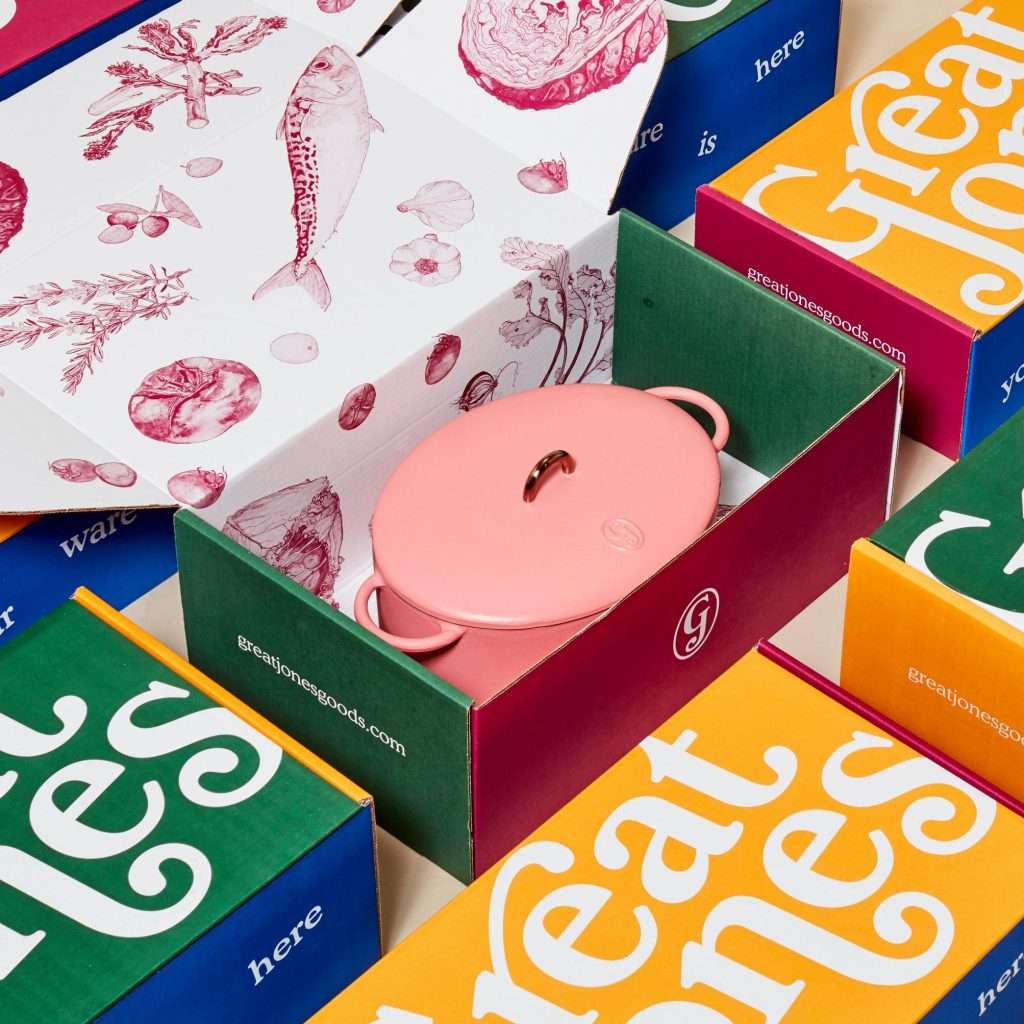
2. Great Jones
Great Jones was founded by best friends who shared a true passion for food. Its cookware is made for female chefs and food writers. All of the products are made with non-toxic materials such as stainless steel. The brand also provides resources for customers who wish to recycle their old cookware.
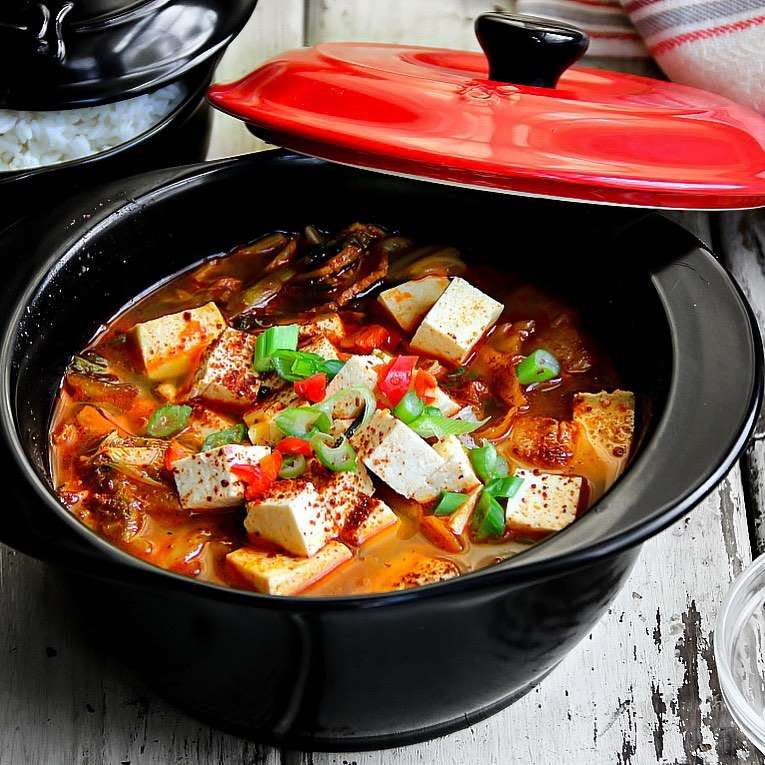
3. Xtrema
This family-owned brand makes ceramic and non-toxic cookware and kitchen essentials. All of the brand’s products are free of PFOA, PTFE, toxic glues, polymers, coatings, and dyes. The ceramic is all-natural and is a simple mixture of minerals, clays, and water. Additionally, the products meet California Prop-65 standards of being free of more than 800 dangerous chemicals.
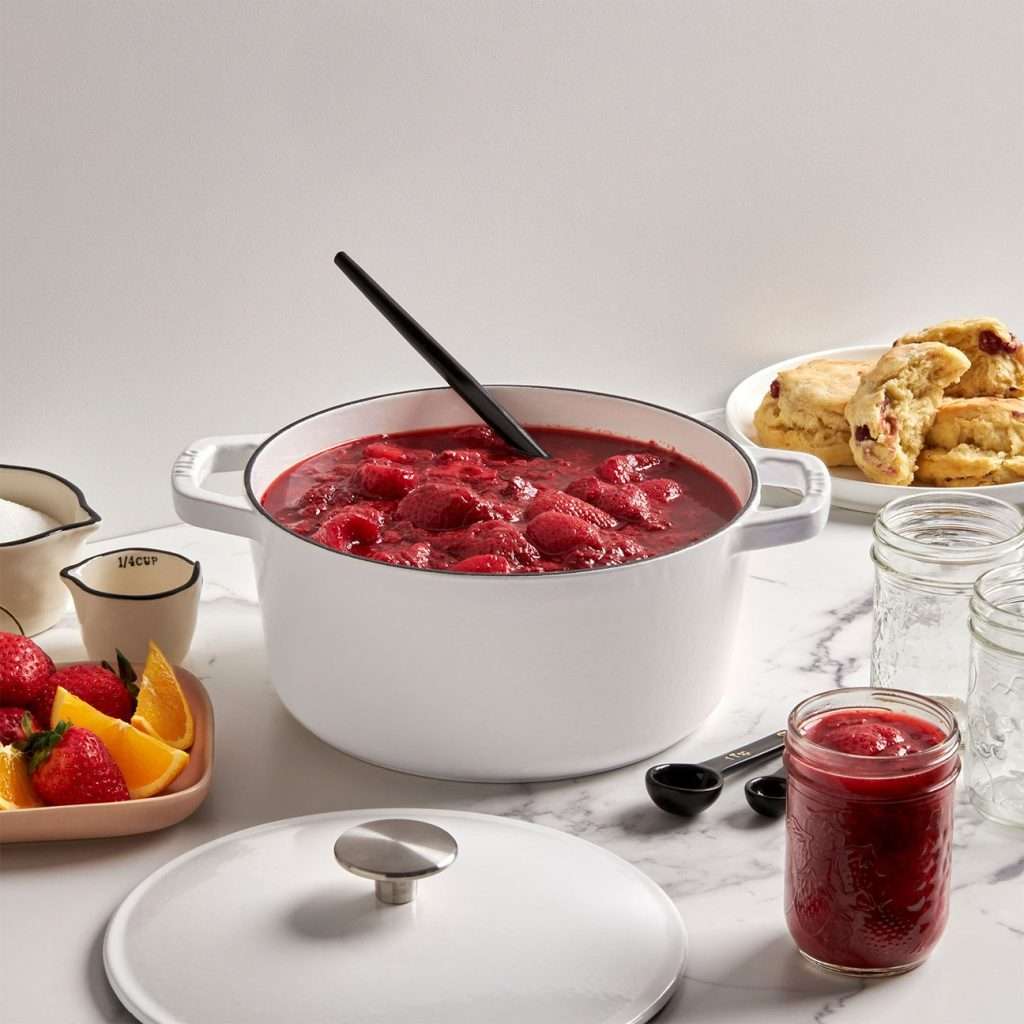
4. Milo
This heritage-inspired cookware brand is made from enameled cast iron which makes it naturally non-stick. They are truly created to last the test of time and are free from harmful chemicals. The Classic Dutch oven is made with 40 percent recycled cast iron and sprayed with TOMATEC enamel to enhance its performance and durability.
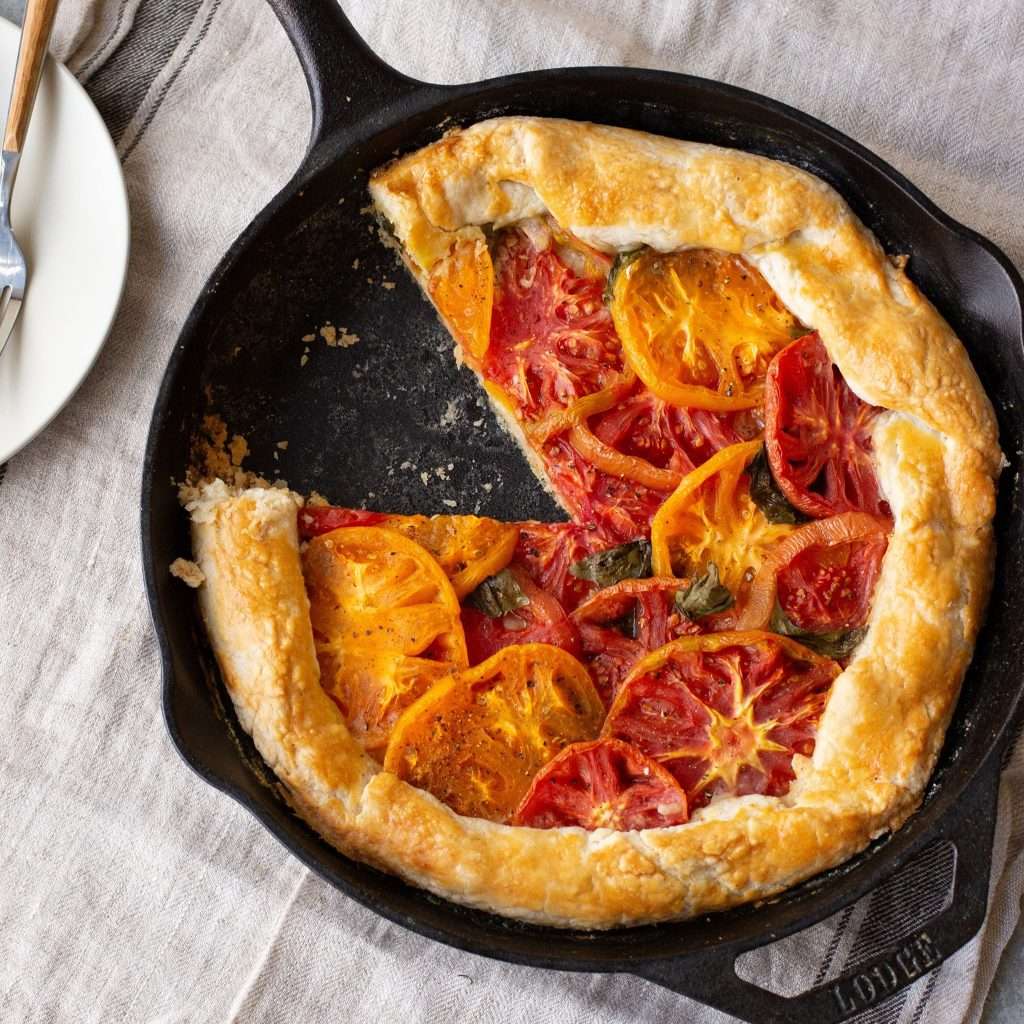
5. Lodge
Another brand of kitchenware that was designed to be passed down to the next generation of chefs in your family, Lodge’s pots and pans are the highest quality. The packaging and shipping materials are all recycled and biodegradable and the company tracks its energy conservation and recycling programs. The brand is also passionate about social and green initiatives. This skillet is also the perfect take along on your next camping trip.
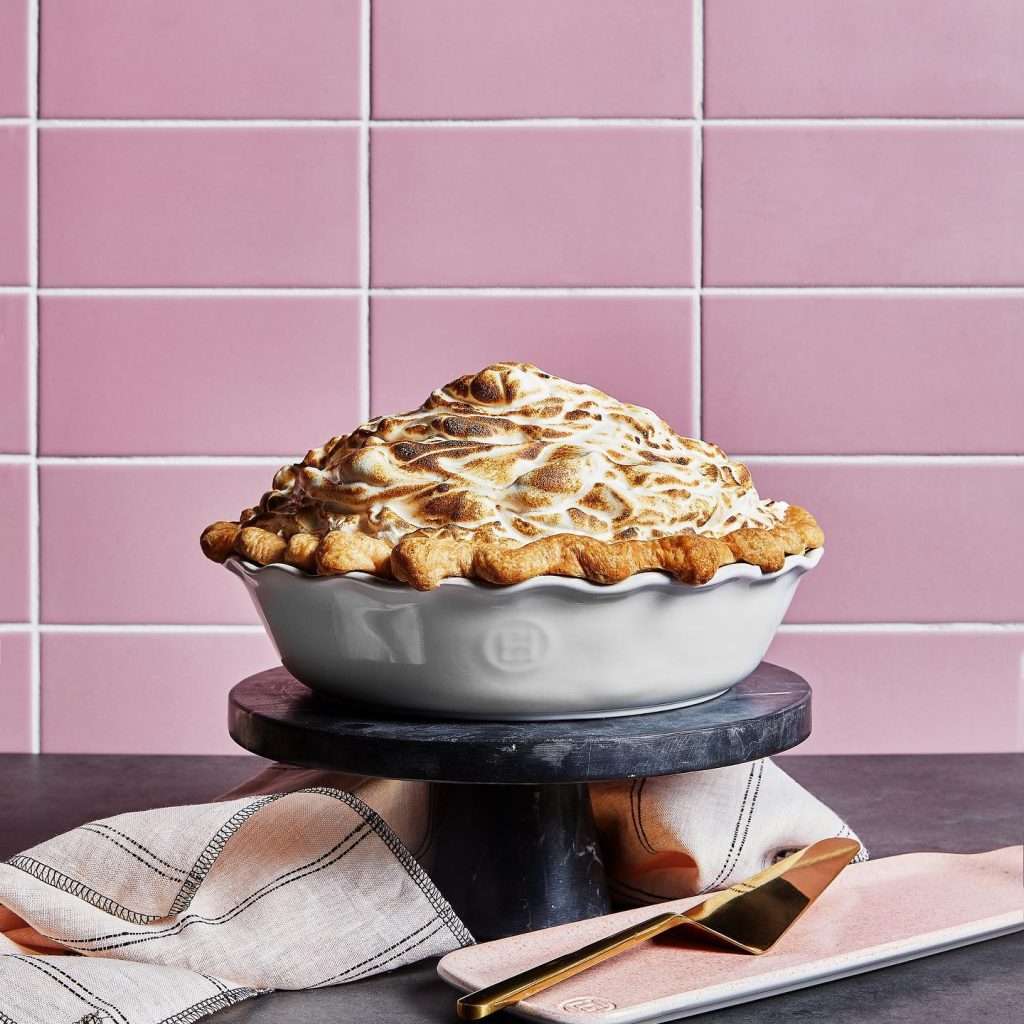
6. Emile Henry
A family-owned cookware brand, born in France Emile Henry’s collection is known for its amazing clay products which are all heat-resistant, durable, and free from harmful chemicals. The brand offers a range of products for everyone from bread bakers to veggie lovers.
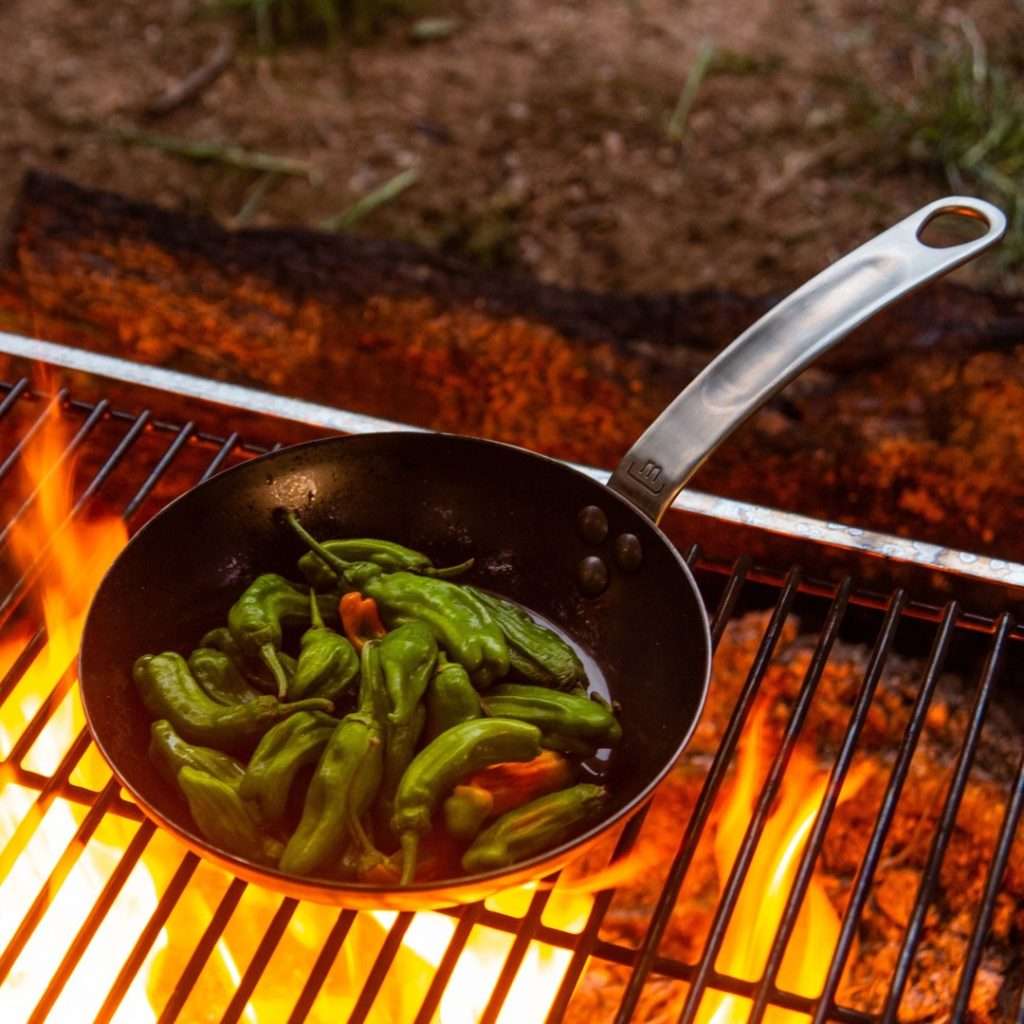
7. Made In
Also hailing from France, Made In creates beautiful artisan-made cookware inspired by the tradition of French cooking. All of the products are chemical-free and stick-resistant. You can build your own curated kitchen set or select from the pre-made options, including an extravagant 121-piece set.
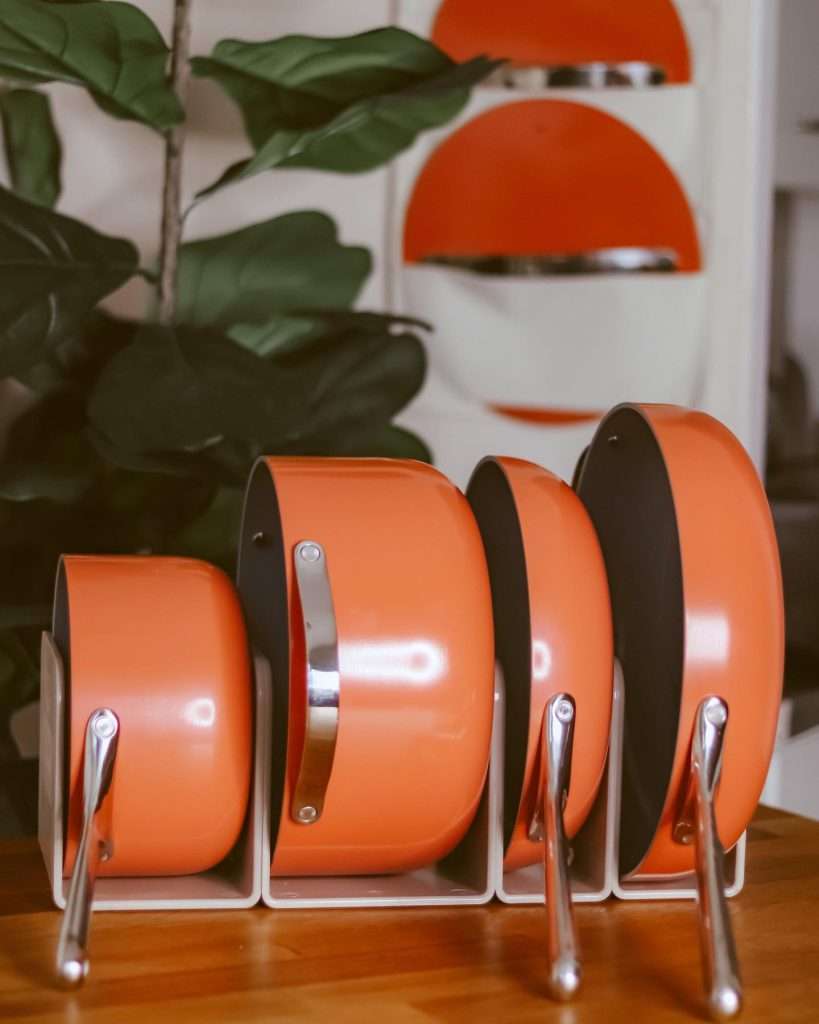
8. Caraway
Launched in 2019, Caraway specializes in non-toxic and nonstick cookware. The brand offers everything your kitchen needs, from frying pans to Dutch ovens. The beautiful colors, pink terracotta, safe, cream, navy, and gray make cooking even more fun.
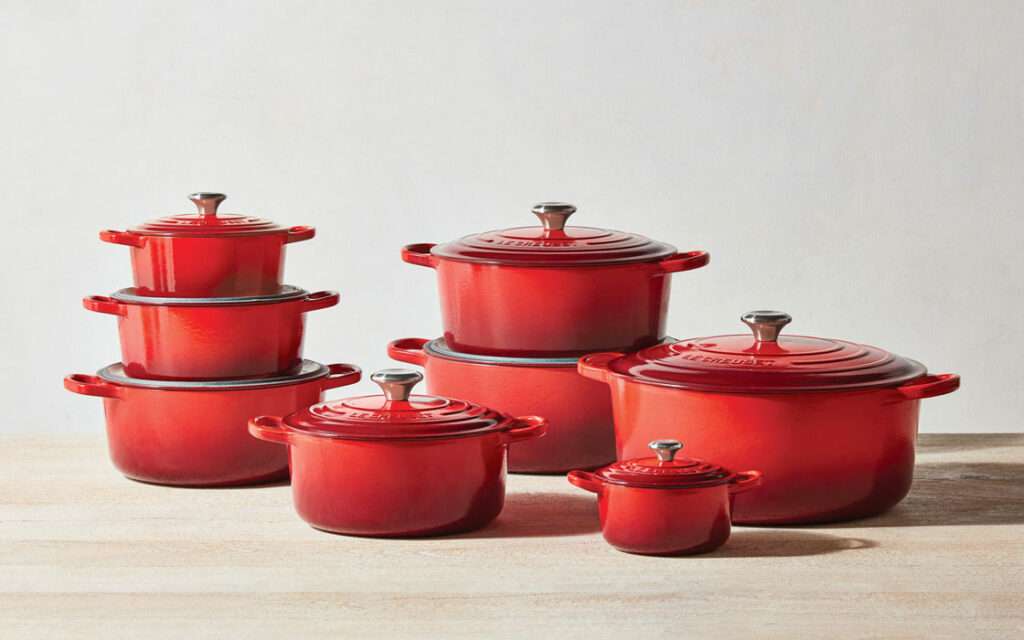
9. Le Creuset
Made to outlive its owners, Le Creuset cookware is the go-to for high-end, high-quality cooking accessories that are non-stick, non-toxic, and dishwasher safe. The pieces are designed to cook fast and clean easy for generations.
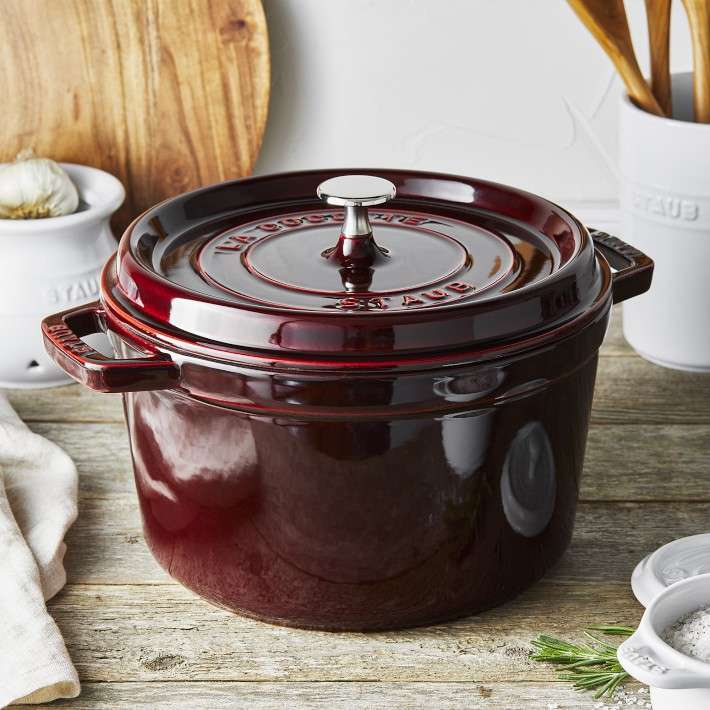
10. Staub
Versatility is the focus of all Staub cookware; like Le Creuset, this enameled cast-iron braises, browns, sears, stews, boils, simmers, and even deep fries. No need to season your Staub cookware — just wash and dry and enjoy the even heat distribution and longevity of this investment piece. Durable enamel doesn’t chip, scratch, or rust, and no toxic PFAS nonstick coatings. Just pure, even cooking and delicious meals.
Also, check out These 13 Sustainable Homeware Brands Bring Comfort and Ethics Home
Related on Ethos:
All products featured on Ethos have been independently selected by our editorial team.
When you buy something through our links, Ethos may earn an affiliate commission.
