

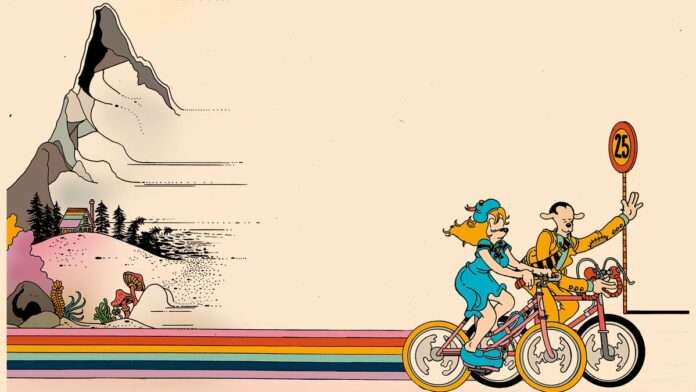
Bicycle Day is celebrated by psychedelic enthusiasts worldwide as a day to honor the discovery of LSD, a powerful hallucinogenic drug that had a profound impact on culture, science, and art in the 1960s and beyond.
On April 19, 1943, Dr. Albert Hofmann, a Swiss chemist, rode his bicycle home after accidentally ingesting a small amount of lysergic acid diethylamide (LSD) that he had synthesized in his laboratory. This event marked a pivotal moment in human consciousness and would go on to revolutionize mental health and the counterculture movement. This day has come to be known as “Bicycle Day.” However, the historical significance of this day goes beyond its association with LSD.
The discovery of LSD
In the early 20th century, scientists were conducting research into ergot, a fungus that grows on rye and wheat. They discovered that ergot contains various psychoactive compounds, including lysergic acid, which Hofmann isolated in 1938. Five years later, he was investigating a new compound, LSD-25, hoping to find a drug to stimulate circulation and respiration. But what he found was much more profound.
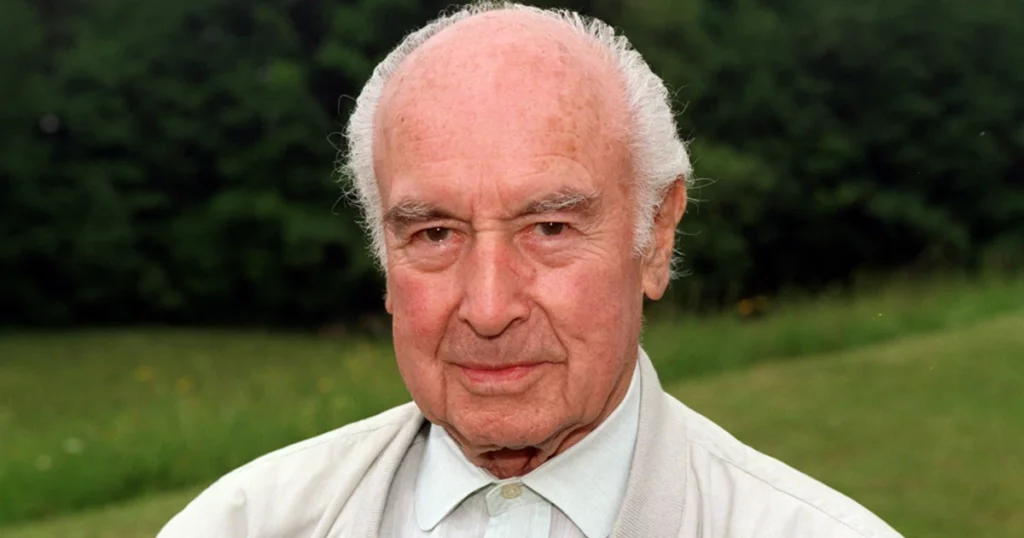
On April 16, 1943, Hofmann accidentally ingested a small amount of LSD-25 while synthesizing it in the lab. He reported feeling dizzy and having intense hallucinations. Three days later, he took a larger dose of LSD-25 and rode his bicycle home from the lab, an experience that he later described as “terrifying and wonderful.”
Hofmann’s discovery of LSD had a significant impact on science, medicine, and culture. It was used in the 1950s and ’60s as an experimental treatment for various psychiatric disorders, including depression and alcoholism. It was also used in the field of psychotherapy, with some therapists believing it could help patients access and process repressed emotions. It was celebrated as a mental health tool by celebrities like Cary Grant, his wife Betsy Drake, and writers including Anaïs Nin and Aldous Huxley.
Bicycle Day’s legacy
Outside of the medical field, LSD played a significant role in the counterculture movement of the 1960s. Its mind-altering effects were popularized by figures like Timothy Leary, who advocated for the use of LSD as a tool for spiritual exploration and personal growth. Today, Bicycle Day is celebrated by psychedelic enthusiasts worldwide as a day to honor the discovery of LSD and the impact it had on science, medicine, and culture. It is also a day to advocate for the responsible use of psychedelics and to educate others about their potential benefits and risks. The artist Brian Blomerth detailed the historic Bicycle Day in an illustrated 2019 book.
LSD facts
Celebrate Bicycle Day armed with facts about LSD. But it’s important to note that LSD and other psychedelics are still classified as illegal drugs in many countries. The use and possession of LSD can result in legal consequences, including arrest, fines, and imprisonment. It’s essential to approach these substances with caution and respect for their potential risks.
1. Albert Hofmann died in 2008 at the age of 102, just ten days after the 55th anniversary of his world-changing discovery.
2. LSD is not physically addictive, but repeated use can lead to increased tolerance levels and even psychological dependence.
3. LSD was widely used in the 1960s counterculture movement and was associated with the rise of hippie culture that has influenced much of our modern culture today: from music and art to food and fashion.
4. Scores of celebrities have used LSD beyond musicians synonymous with psychedelics like Pink Floyd or the Grateful Dead. Comedians Sarah Silverman and Seth Rogen used it, as has journalist Michael Pollan, who documented his experiences in the 2018 book, “How to Change Your Mind.” Prince Harry notably said it helped him process the traumatic loss of his mother.
5. The effects of LSD can vary widely depending on the dose, the setting, and the individual user. Common experiences include altered perception of time and space, vivid colors and patterns, and profound insights or spiritual experiences.
6. LSD was banned in the United States in 1968, and is currently classified as a Schedule I controlled substance under federal law, but some municipalities are relaxing laws around LSD and other psychedelics as research continues to point to potential mental health benefits.
7. Despite its ban, LSD is still used recreationally today, and is often sold on the black market in the form of “tabs” or “blotter paper” soaked with the drug. Legalization could help ensure safer LSD with regulatory checks and standardized doses.
8. Some researchers are currently exploring the potential therapeutic uses of LSD for conditions like anxiety, depression, and addiction, and they’re seeing notable results. One of the more popular methods is microdosing — taking small low-dose levels of LSD (or other psychedelics). This avoids the intense hallucinations and has instead been linked to elevated moods and increased focus.
Related on Ethos:
