


Sneakerheads have a new category to pique their interest: biodegradable footwear. But do we really need shoes that decompose?
Molecular biologist Stephen Mayfield has a new job title to add to his illustrious resume: shoemaker. Helming a project aimed at using algae to produce waste-free industrial products like biofuel, Mayfield — a distinguished professor at UC San Diego and CEO of footwear company Blueview — has developed high-performance, biodegradable shoes made entirely out of plant-based materials. But he’s not the only one making sustainable shoes out of plants.
Shoes made from plants
Last year, the California-based startup launched its first vegan shoe, the Blueview Pacific sneaker. The slip-on kicks are available in five colorways (black, tan, denim, olive, and grey) and feature Blueview’s proprietary materials, Soleic and PlantKnit — both of which are biodegradable.
Mayfield and his team spent six years developing the materials. The polyurethane foam shoe sole, Soleic, is made from algae, while the machine-knitted upper, PlantKnit, is comprised of yarn made from cotton, hemp, jute, and Tencel. When they’re worn out, they can be composted instead of going to the landfill.
New Zealand-based footwear startup Orba also makes biodegradable sneakers, which feature soles made from natural rubber, rice husk, and coconut oil. Brooklyn-based shoe company Kengos debuted biodegradable kicks made from cork bark and corn fiber.
Even prominent shoe brands are getting into the business of compostable shoes. In 2021, the certified B Corp Allbirds, a company well-known for its wool-based shoes, revealed it was developing a new biodegradable, plant-based leather alternative.
That same year, Reebok launched an eco-friendly collection called [REE]GROW, which features materials that are animal-free and 50 percent plant-based. Its first plant-based shoe features materials made from eucalyptus, algae, and castor beans. Reebok revealed its Boston-based Innovation Lab was working to create footwear made from 100 percent biodegradable plant-based materials.
”We’ve made some great strides in building more sustainable footwear over the past few years,” said Mike Andrews, Reebok’s director of advanced development. “But we know there is still quite a ways to go. Right now, our development focus is on creating footwear that is 100 percent plant-based and contains no plastic.”
The footwear industry’s shift toward sustainability
The footwear industry’s decision to embrace more sustainable materials is good news considering the sheer amount of shoes that make their way to landfills. In the US alone, 300 million pairs of shoes are tossed each year. And each pair takes an average of 30 to 40 years to decompose, according to Wichita State University.
In addition to the issue of waste, the factories use toxic chemicals like lead, mercury, and cadmium to manufacture shoes. Shoes are also made with unsustainable materials like leather, rubber, and plastic. “Tires made out of rubber that were made in 1903 for the Model A are still here today,” explained Mayfield. “They haven’t gone anywhere, and they’ll still be here in another 300 years.”
According to a 2018 report by sustainable consulting firm Quantis, the footwear industry is also responsible for 1.4 percent of greenhouse gas emissions around the world. To put this into perspective, the air travel sector is responsible for about 2.5 percent of all emissions.
In light of the industry’s environmental impact, many footwear companies are increasingly churning out shoes that are as comfortable on feet as they are gentle on the planet. But the shift to embrace sustainable materials has also been spurred by changing consumer trends.
According to a 2021 survey by Footwear Distributors and Retailers of America and technology firm First Insight, consumers’ purchasing habits also prioritize sustainability factors. Fourty-six percent of consumers preferred an “eco-friendly” label when shopping, while 37 percent preferred the term “sustainable.”
The future of footwear
The sustainable footwear market is certainly booming. Market research firm Allied Market Research predicts that it will be worth $13.3 billion by 2030.
And while they’re not completely biodegradable, many sustainable shoe brands are already readily available online and on store shelves. Companies like London-based brand Ananas Anam and Italian technology company Vegea have created vegan leathers from fruits like apples and pineapple leaves, vegetables, coffee, and even the by-products of wine.
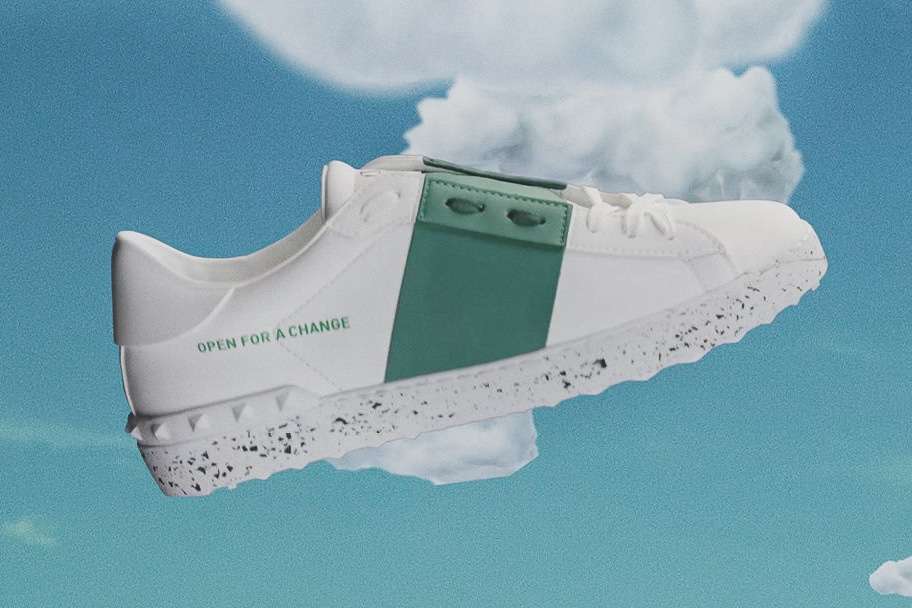
Italian luxury house Valentino also recently released its first foray into the biodegradable realm with its Open for Change initiative. Those shoes are made entirely from recycled or bio-based materials including corn and viscose.
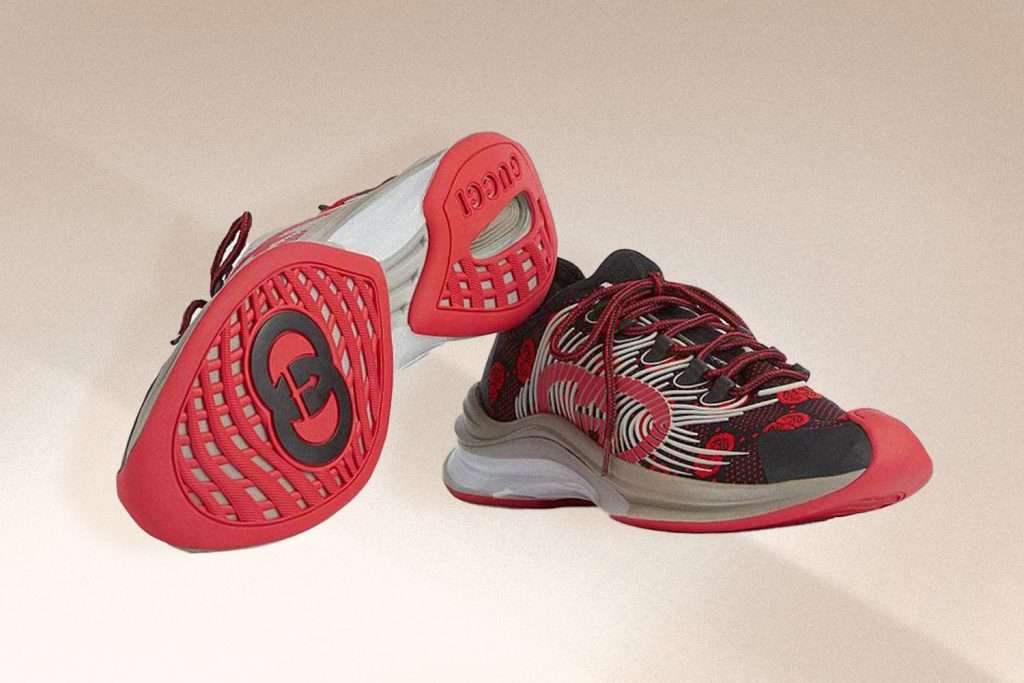
Portugal-based brand NAE Vegan Shoes creates footwear from natural and recycled materials, such as cork, plastic bottles, and organic cotton, as well as Piñatex’s pineapple leaf fiber. Even Gucci launched a (semi) sustainable shoe made from 77 percent plant-based materials.
Mayfield says he hopes his biodegradable shoe will inspire more brands to make the sustainable switch.
“I hope we sell so many of our shoes that all the big fashion brands are forced to start using bio-based and biodegradable materials in their shoes and clothes,” he said. “Think about the car companies switching to electric cars. They only made the change after Tesla looked like it might put them out of business. If we can make our shoes the top-selling shoes in the world, every single brand will switch to this material—that is my dream.”
Related on Ethos:
