


Drink vino responsibly by uncorking a bottle of these sustainable wines.
Whether you’re giving a toast at a dinner party or putting together a few savory charcuterie pairings, a glass of wine is in order. Indulge in dry merlots, sweet moscatos, and everything in between responsibly by opting for a bottle of sustainable wine. From organically farmed grapes to recycled glass bottles, we’ve got some of the most planet-friendly wine brands to shop.
Environmental impact of wine
Not all wines are created equally — or sustainably, for that matter.
When it comes to turning water into wine, the industry can be incredibly resource intensive. According to the World Wildlife Fund, it takes upwards of 500 gallons of water to produce one bottle of wine in California, taking into account pre-harvest and irrigation needs.
And, just like the production of any other product, there’s also the issue of carbon emissions. The average bottle of wine is responsible for emitting about 1.28 kilograms of carbon dioxide — which equates to driving roughly three miles in a car.
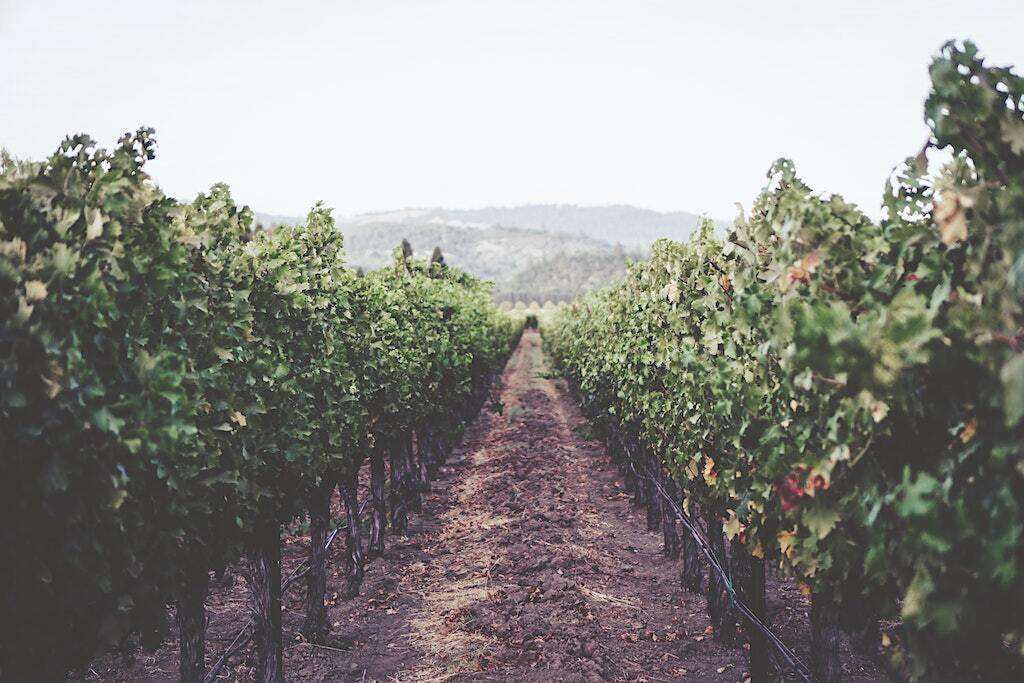
The wine industry’s packaging and transportation sectors are especially pollutive, accounting for nearly 80 percent of all emissions, according to International Wineries for Climate Action, a coalition of environmentally-conscious wine producers.
Amid the growing demand for sustainable products, winemakers are increasingly working to churn out more earth-friendly wines. They’re also embracing sustainable viticulture practices to help mitigate the impacts of global warming, which has caused some wine-producing regions to become too dry or too hot for crops.
“As an agriculture, we are really impacted by climate change,” explains Christina Crava, project manager for Proto Protocol, an international foundation fostering climate solutions for the wine industry. “We feel climate change first, then other crops do. That’s why people are really responding and looking for sustainability practices in this sector.”
Sustainable winemaking practices can include using lighter bottles to minimize carbon emissions, conserving water through drip irrigation, and opting for renewable sources of energy. Many wine producers are also opting to use organic and biodynamic farming practices. The latter treats vineyards as a closed-loop system, using natural soils and other materials and eschewing pesticides and fertilizers, for example.
Sustainable wine brands to shop
Worry not, you can still indulge in a glass of sustainable Cabernet Sauvignon by opting for wine brands that are committed to minimizing their impact on the planet. Here are some of the most eco-friendly wine brands to shop. Cheers!

1. Avaline
Your new charcuterie board go-to has arrived. From co-founders actor Cameron Diaz and fashion entrepreneur Katherine Powers, Avaline’s vegan wine is made with organic grapes and no unwanted additives. Even though wine labels aren’t legally required to be transparent on their labels, Avaline fully discloses every ingredient so you won’t have to ever question what’s in your bottle.
The brand, which incorporates recyclable packaging and sustainable transportation methods, recently launched its new Cabernet Sauvignon, a medium to full-bodied red wine that features hints of red berries and cocoa. Made with 100 percent organic grapes and zero sugars, enjoy “cherry fruits, chocolatey rich tannins and great acidity” in bottle form. The company also carries other varieties, including white and sparkling wine.

2. Our Daily Wines
Founded in 1989, this California-based brand prioritizes organic and sustainable winemaking. “Our Daily Wine’s journey began before organic products were as mainstream as they are now, with the goal of making USDA organic wine more accessible for those wanting to live an organic, preservative-free lifestyle,” Kurt Lorenzi, Our Daily Wine’s VP of Global Sourcing and Winemaking, told Ethos.
Vegan and free of preservatives, shop the company’s Syrah, Grenache, Ruby Cabernet, and Carignan varietals, which feature ripe notes of fresh raspberries and tart cherries.

3. Lail Vineyards
Founder Robin Lail knows a thing or two about sustainability. A U.S. Representative for Proto Protocol, Lail is dedicated to fighting the climate crisis on the frontlines of the wine industry. “Working in the wine business in Napa Valley has meant being surrounded by a community of growers and vintners who farm for the future,” she explained. “Farming techniques include a range from sustainable to bio-dynamic, from organic to carbon and regenerative farming. At Lail Vineyards we are carbon farming.”
Open a bottle Lail Vineyard’s Blueprint wines; ten percent of proceeds go to organizations fighting climate change.
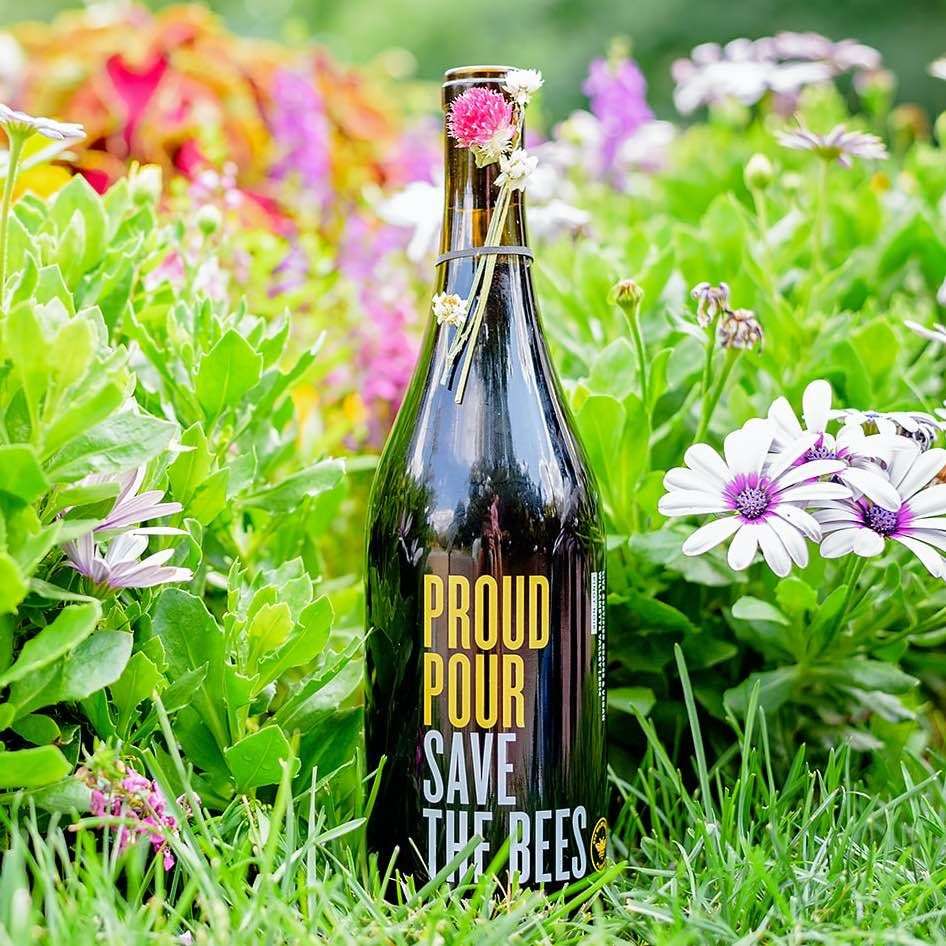
4. Proud Pour
For a charitable wine brand, shop Proud Pour. The company’s palate-pleasing wines and cider support 22 environmental non-profits that are working to protect bees, wild oysters, sea turtles, and coral reefs, among others. According to the company, its impact includes restoring 16 million wild oysters, planting more than 100 acres of bee habitat, and growing more than 250 baby corals.
Sustainably grown using certified organic grapes, shop Pinot for Bees, Rosé for Reefs, Cider for Sea Turtles, and much more.
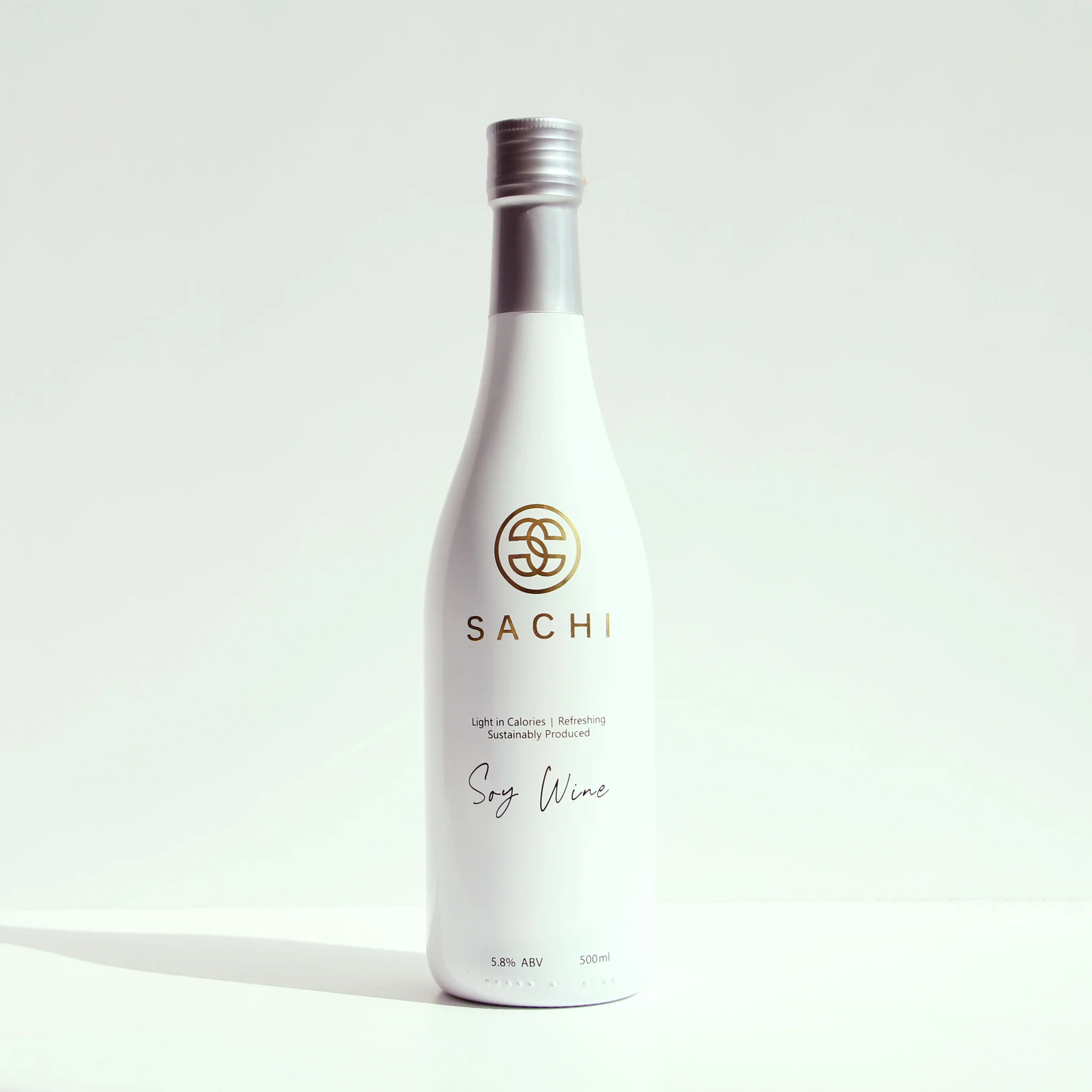
5. Sachi
Singapore-based brand Sachi is giving tofu whey, a by-product of the soy industry, a new lease on life with its vegan-friendly wines. Featuring a taste akin to sake, the sustainably-produced wine is truly one-of-a-kind.
Related on Ethos:
- Avaline’s Organic Autumn Red Wine Spritz
- The Spirits Industry Has Embraced Food Waste and These Are the 7 Brands to Try
- The Wine Capital of the World Takes the Lead on Sustainability
- ‘Every Drop’ of Martini’s Sparkling Wines Are Now Certified Sustainable
All products featured on Ethos have been independently selected by our editorial team.
When you buy something through our links, Ethos may earn an affiliate commission.
