


Goodwill, the nonprofit that provides job training, employment placement services, and other community programs through its chain of thrift stores, is getting into the luxury secondhand space with GoodwillFinds, a curated online marketplace.
Goodwill has been providing its services for more than century; proceeds from the donated items it sells in its stores generated more than $5.4 billion just last year across the U.S. and Canada. The stores sell a range of items from clothing and accessories to kitchen goods, books, and furniture.
The leader in secondhand goods is now setting its sights on the booming online resale sector with GoodwillFinds, a separate entity from Goodwill Industries International Inc. But like Goodwill stores, it will support the organization through funding for community programs, job training and job placement. Consumers cannot currently donate through the online platform, but that could change in the future, the company says. It’s aiming to offer all the perks other online shopping platforms currently offer.
Shop sustainably online
“Our new social enterprise makes it easier for the conscious consumer to shop sustainably online, while heightening the thrifting experience they’ve come to love at Goodwill,” GoodwillFinds Chief Executive Officer Matthew Kaness said in a statement.
“Goodwill is a very big part of the second-hand market, but it’s been focused on stores. That is its heritage,” said Neil Saunders, managing director at GlobalData Retail, “Online has been an afterthought and done very informally with the regions.”
The number of retailers focused on higher-end pre-loved items, both online and off, has jumped in recent years as the secondhand category is predicted to outpace sales of fast fashion. Much of that is happening through online resale platforms like The RealReal, Poshmark, ThredUp, and Vestiaire Collective. The GoodwillFinds pilot program is expected to compete with these category leaders.
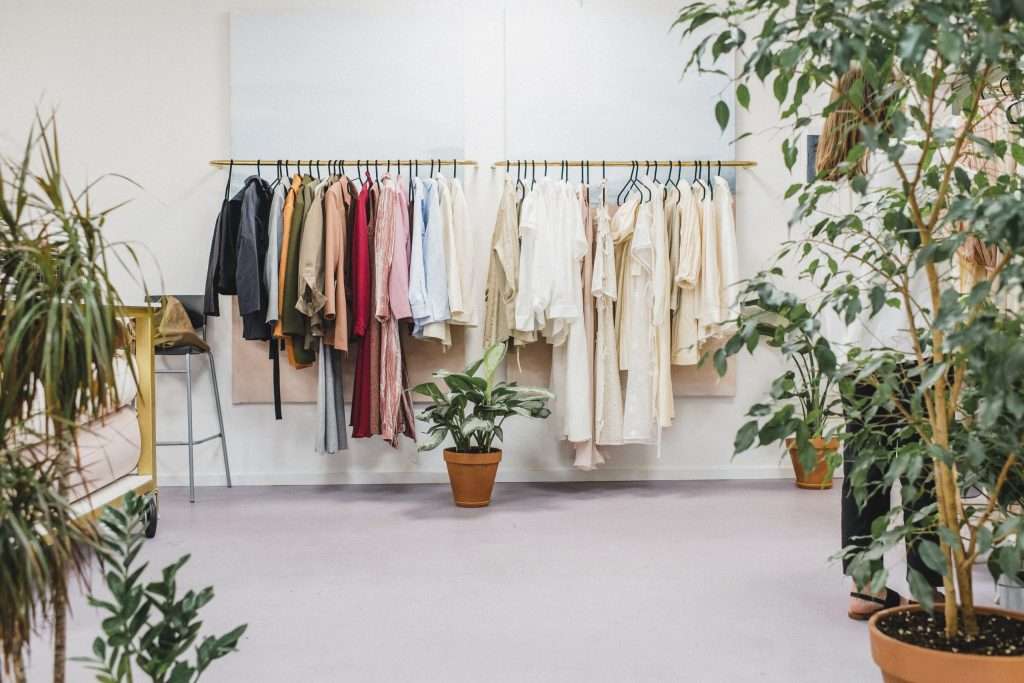
According to ThredUp’s 2022 Resale Report, the secondhand market will double in sales by 2026, surpassing $82 billion. The category is seeing strong growth from all age demographics with Gen X and older Millennials driving the category.
“Gen Z may be busy dominating headlines, but Millennials and Gen X have been busy, too, quietly owning luxury re-commerce,” Fashionphile, which operates both online and in select Neiman Marcus stores, said in its recent report.
“Goodwill is not just the OG of thrifting, it’s also one of the pioneers of the circular economy,” Kaness said. “Last year, 3 billion pounds of items were diverted from landfills with the resale of donations made at Goodwill’s 3,300 stores across US and Canada.”
“Watching the rise of these secondhand marketplaces and the success they’ve been having with customers moving online has served as a major impetus,” Kaness said. “I feel this is a revolution that’s happening in retail right now where secondhand has finally crossed over and is seen as a force for good and not just a good deal — and we’re the sleeping giant that has woken up and is taking our rightful place.”
According to Kaness, 90 percent of secondhand sales have been through non-digital selling channels, “primarily by third-party marketplaces like Amazon and eBay that individual local Goodwills have spun up over the years,” he says, “but this is the first modern marketplace with national scale and reach.”
GoodwillFinds
GoodwillFinds will launch with more than 100,000 items. Not all are luxury items, but it does list quite a few, including a Gucci bag, Prada shoes, and Burberry watch among the collection. It expects to add more higher end curated items to the platform as it expands.
The news comes as the secondhand industry is seeing consolidation. South Korea’s Naver announced earlier this week that it will acquire Poshmark for $1.2 billion. Naver, which operates a search engine and e-commerce platform, among other services in South Korea, says the acquisition will expand its online retail presence and help Poshmark enter international markets.

The acquisition announcement is less than two years after Poshmark went public. Its stock prices have dropped since it went public at $42 a share last January; at the time, the pandemic was giving online shopping a boost, but as mandates lift, there’s been a decrease in online shopping. The companies say the acquisition will help both Naver and Poshmark address the changing market.
Earlier this year France-based secondhand platform Vestiaire Collective acquired the U.S.-based Tradesy.
“By joining forces with [Tradesy], we continue to empower our customers to drive change by making second-hand fashion a first choice. With this transaction, we confirm Vestiaire Collective’s ambition to be a truly global player, promoting circularity in Europe, the US and Asia-Pacific,” Maximilian Bittner, CEO of Vestiaire Collective, said in a statement.
