

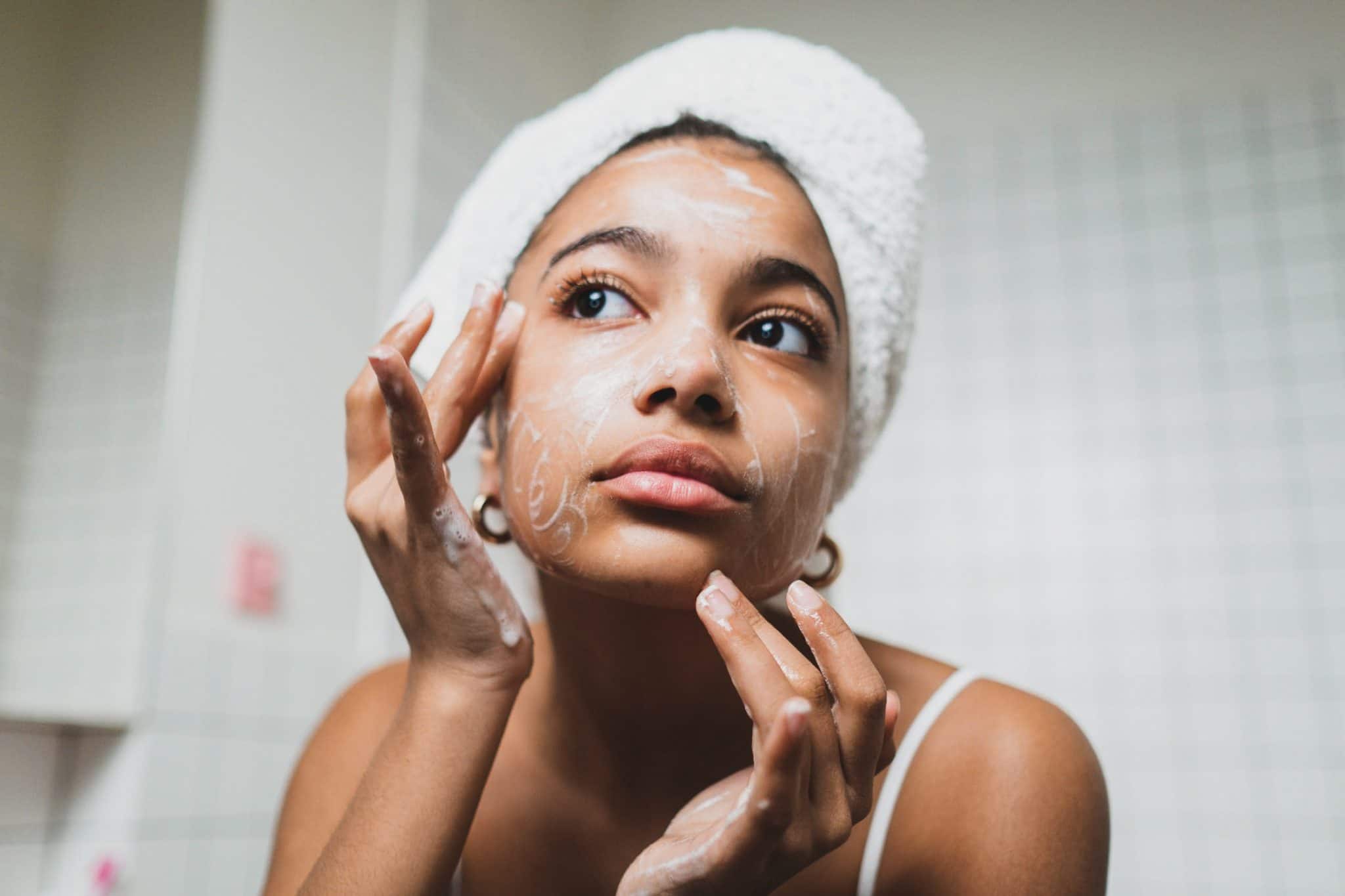
The benefits of slugging are real, but is it sustainable? Here’s how to do it and why you might want to ditch the petroleum jelly.
Whether or not you’re spending time on TikTok where it originated, you’ve likely seen slugging making the rounds on the social and news feeds. It has more than 200 million views on TikTok alone and is the hottest beauty trend of 2022 so far. Slugging boasts a number of skin benefits. But its hero ingredient—petroleum jelly—is not exactly sustainable. There are some options that are, though.
What is slugging?
A Korean beauty skincare treatment aimed at deep moisturizing for the face, slugging is a pretty simple concept: users slather—completely slather!—petroleum jelly over the face. The wet-slime look resembles the wet-sliminess of slugs, thus the name.
There are a few steps before the jelly coating, but it’s all fairly basic and steps you’re likely already taking, like washing, putting on a hydrating serum, and moisturizing.
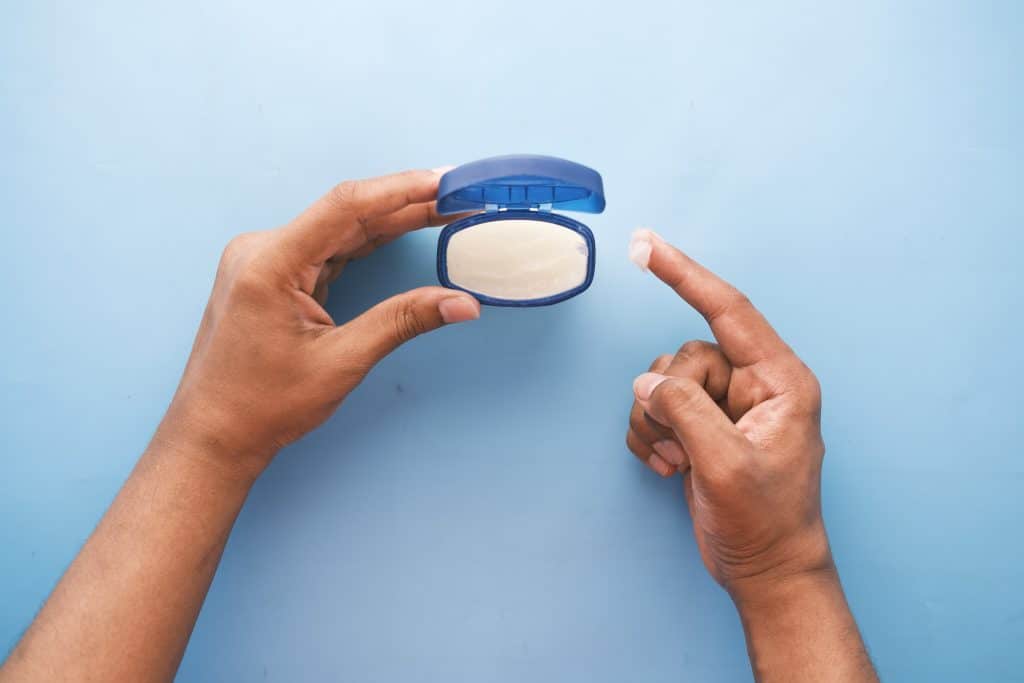
After those normal skincare steps, you cover the face in a thick layer of petroleum jelly—like Vaseline—and go to bed.
Benefits of slugging
The benefits of slugging appear to be nothing short of magical. There are heaps of videos and TikTok users singing its praises. Experts give it a thumbs up, too.
Carla Nelson and Wendy Jules of Brooklyn’s Fleur De Lis Beauty told Elle that the treatment is a great way to moisturize skin overnight. And they say it offers “great hydration and water retention leaving skin fresh in the morning. The goal is to maintain young bouncy skin and slugging definitely aids in that.”
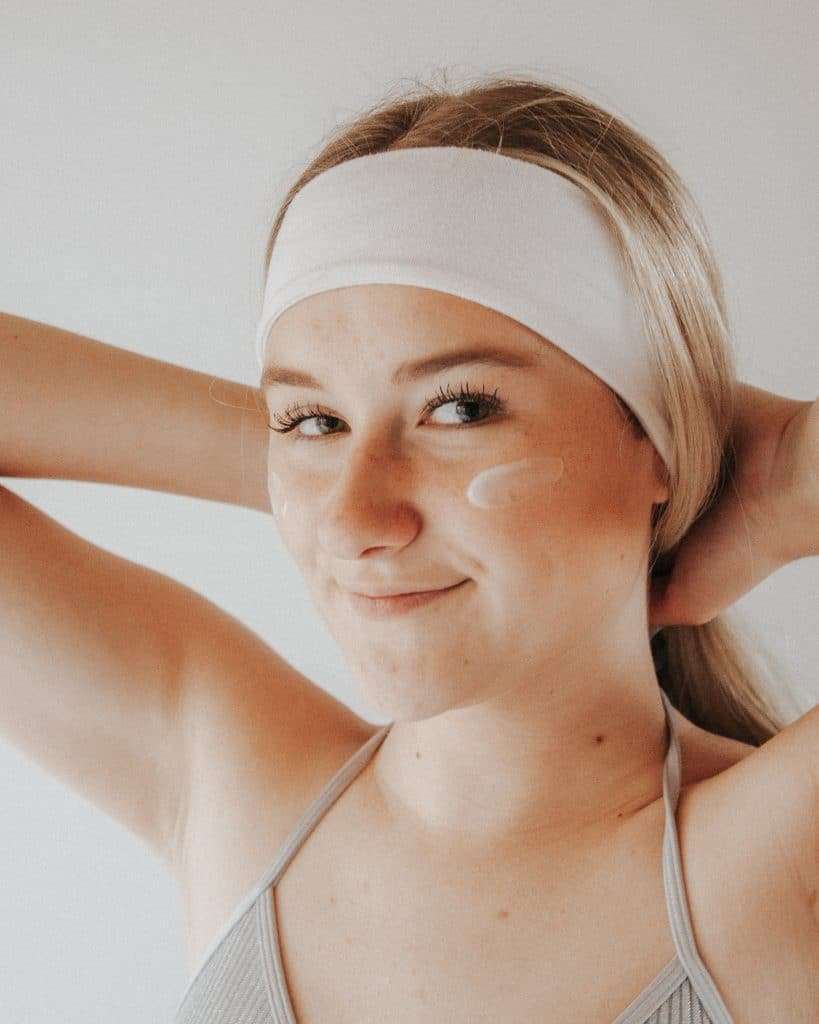
The most common benefits include:
1. Deeply moisturizing
Slugging essentially creates an occlusive layer, keeping water locked in your skin overnight. It’s not doing the moisturizing itself, it’s simply preventing it from leaving. That’s why you need to follow your regular skincare routine first, including hydrating serums and moisturizers.
2. Improved skin tone
The added moisture helps skin that’s prone to dryness and chapping to balance out, and this can improve the tone and texture of your skin. Keeping all that moisture in the skin too can bring a dewy glow that makes skin look and feel more youthful.
3. Plumping
With all the moisture locked in, some sluggers experience skin that looks and feels plumper and more youthful. Just like a big swipe of lip balm can make lips look and feel fuller and softer, slugging the skin can have similar benefits; whether or not you had a great night’s sleep, you may wake up looking like you did!
How to slug
The steps are pretty simple:
- Wash your face
- Exfoliate (serums or scrubs)
- Moisturize
- Apply the occlusive
- Wait about 30 minutes before going to bed
Slugging is considered safe enough to do daily, especially if you have dry skin. But if you’re prone to oily skin or breakouts, it may not be the treatment for you as it can aggravate sensitive skin and make breakouts even worse.
And you’ll want to be sure the skincare products applied before the occlusive don’t contain high levels of retinoids or alpha hydroxy acids. When trapped under the final layer, they can increase in potency and cause irritation to the skin.
You also don’t need to apply an extra thick layer to the skin, either. Just enough to coat it, but you don’t need globs of oil (or petroleum jelly) falling off of your face.
Is petroleum jelly safe?
Petroleum, which is the main source ingredient in Vaseline and comparable products like Aquaphor and CeraVe, is a byproduct of petroleum—the same crude oil that’s refined and used to power cars, planes, boats and much more.
For your skin, there are mixed schools of thought on petroleum-based products. While the FDA generally regards them as safe, that’s not the same as being healthy or beneficial. In other words, it’s not likely petroleum is going to harm you but compared with botanicals that contain active compounds such as antioxidants, it’s not doing your skin any favors.
The bigger, more complicated issue, is that as a fossil fuel, petroleum pollutes air, leads to climate change, and habitat loss, among other issues. And studies have found that this can even contribute to stressed skin.
While there’s no combustion involved with petroleum jelly or mineral oil that’s applied to the body (unless something goes really wrong!), it’s sourced from a highly unsustainable industry driving the climate crisis. A startling 25 percent of all U.S. greenhouse gases come from drilling for crude oil, according to data from the U.S. Geological Survey.
Another issue with petroleum is that it’s not biodegradable like so many other skincare ingredients. This is not great for your skin, but it may be even worse for the planet, specifically the soil. It can clog soil pores preventing aeration and degrading the soil’s ability to absorb water. Unhealthy soil reduces the planet’s carbon sequestration abilities, expediting global warming. It also threatens biodiversity, putting microorganisms, fungi, and plants at threat.
Petroleum jelly alternatives
From oils to plant butter, not only do alternatives to petroleum jelly exist in abundance, but they’re healthier for skin (and the planet). You can use oils like jojoba or argan or butter like shea, cacao, or mango on their own, or try a balm alternative like the ones listed below.
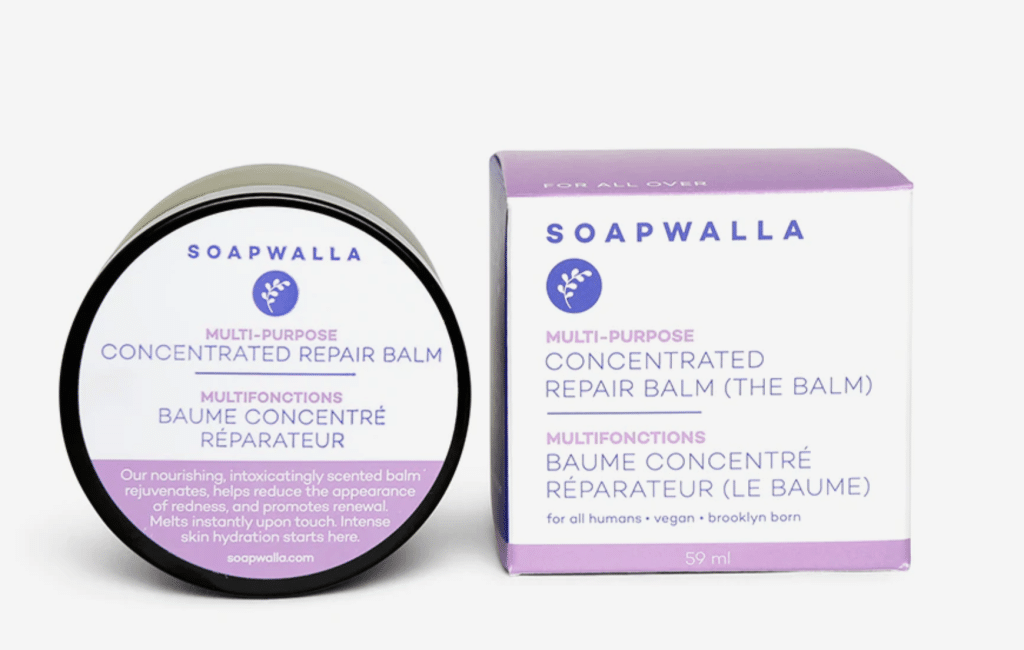
1. Soapwalla Repair Cream
This jojoba-based repair balm is filled with botanical ingredients that give skin an added boost. Once you dig your fingers into the balm it begins to melt into the skin for a creamy, rich treatment that will help you achieve your slugging goals without petroleum!
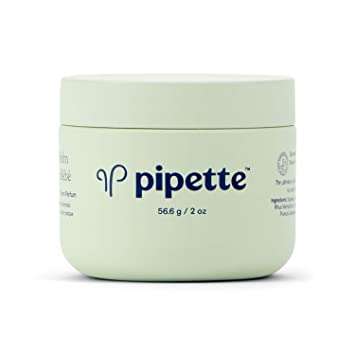
2. Pipette Baby Balm
What’s more nourishing than baby balm? It’s used on the softest skin, and that’s exactly the type of product you want to slug with. Pipette’s vegan baby balm contains plant-based ingredients including squalane, jojoba oil, berry wax, and other super hydrating ingredients. Slather this on and sleep like a baby.
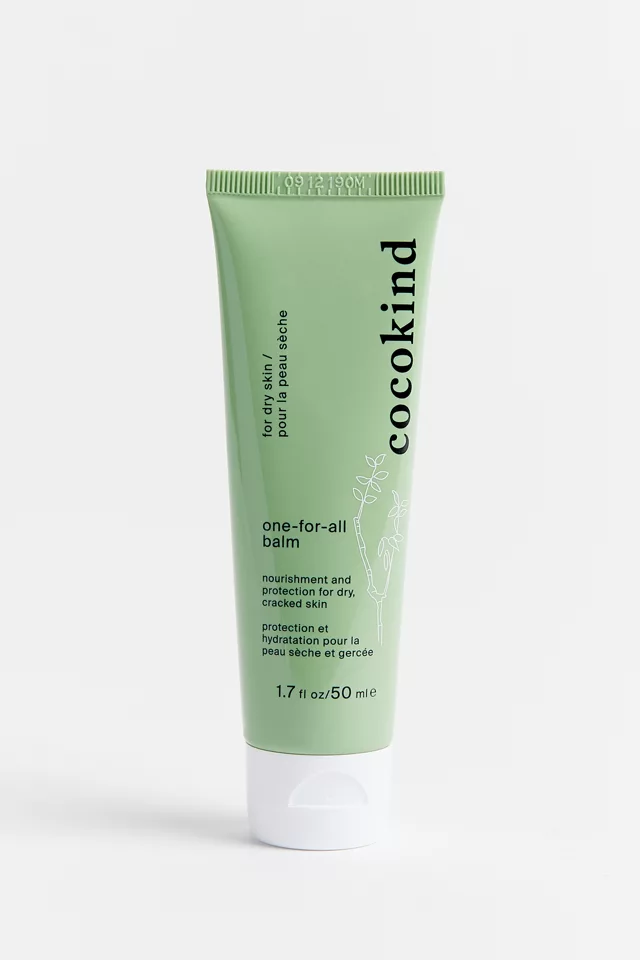
3. Cocokind One for All Balm
Rich in coconut oil, castor oil, shea butter, and healing botanicals meant to combat dry and irritated skin, this balm will lather you up in no time. Plus, five percent of all sales of the balm online go to support the One Tree Planted initiative.
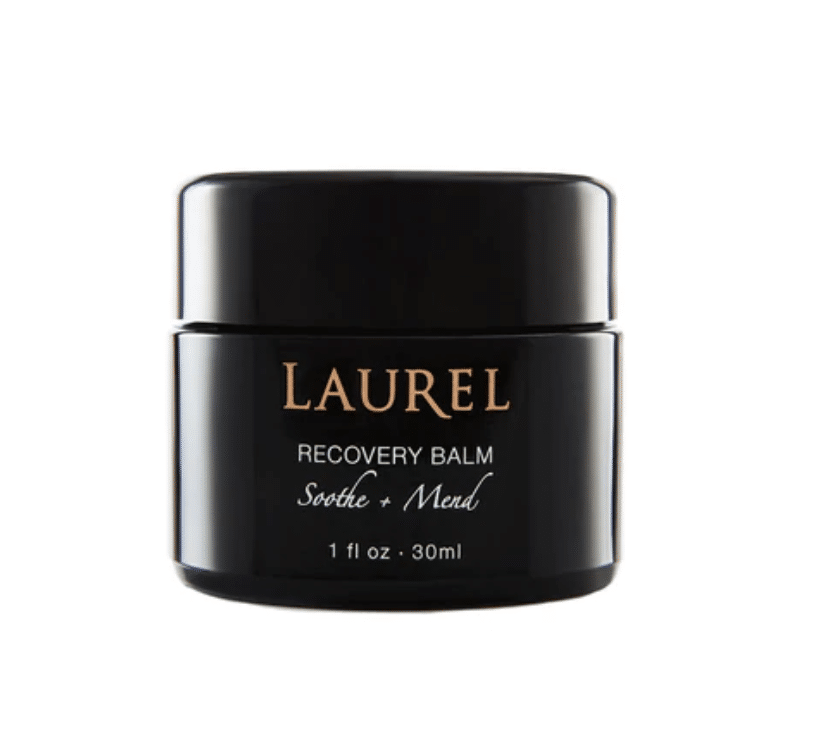
4. Laurel Skin Recovery Balm
This balm can do triple duty: moisturizing, healing, and locking in all the good stuff. Laurel Skin uses the highest quality plant-based ingredients, and this balm features skin-soothing calendula, lavender, comfrey, yarrow, and marshmallow. Designed to reduce inflammation and irritation, this balm is perfect for any skin type.
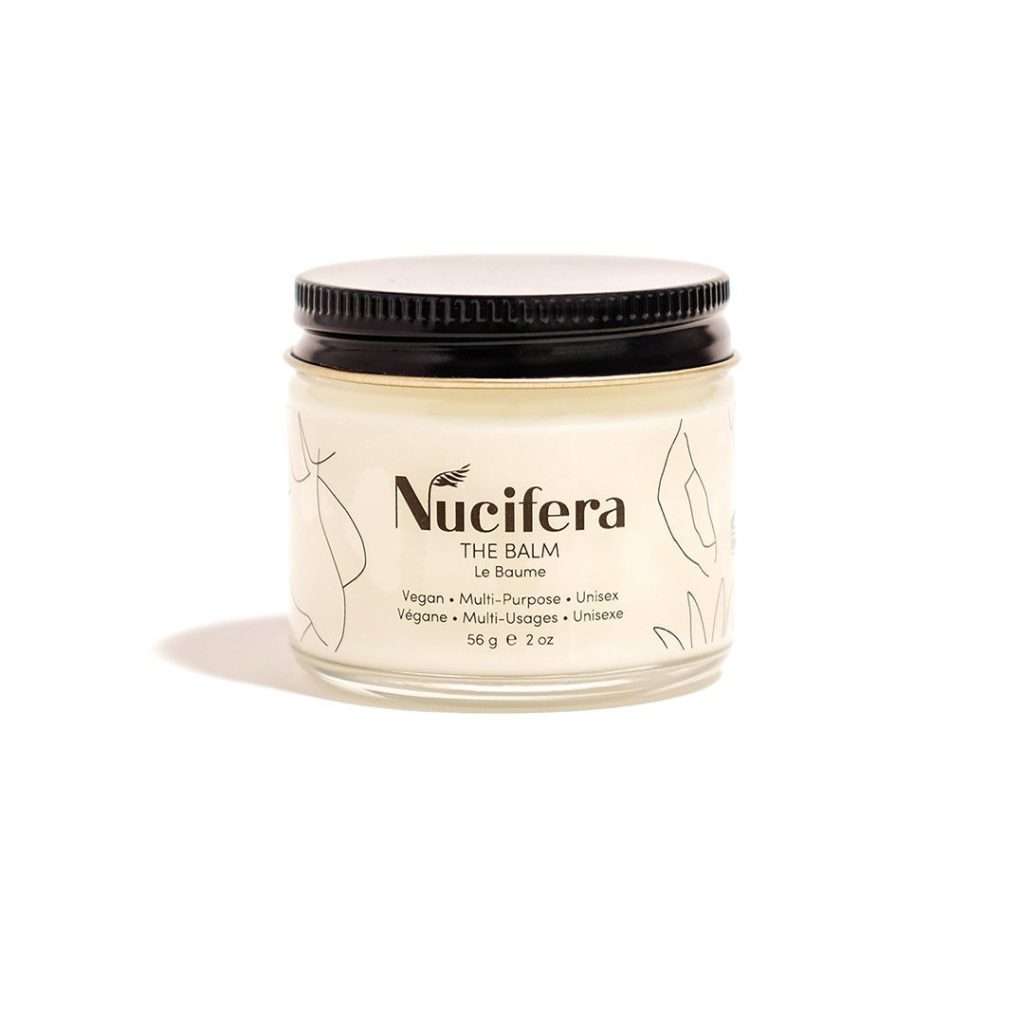
5. Nucifera The Balm
A hydrating blend of mango and kokum butter, coconut oil, moringa oil, and borage oil, and scented with all-natural essential oils, this balm is a heavy hitter that moisturizes and soothes the skin. Use it as your slugging layer and while you have it out, rub it into dry and irritated elbows and heels, too.
