


As plastic pollution continues to be a global crisis, the Tom Ford Plastic Innovation Prize in partnership with Trousdale Ventures, offers solutions and inspiration for a plastic-free future.
A thousand miles off the coast of California, the Great Pacific Garbage is no longer just a floating vortex of plastic waste. It is now very much alive, teeming with oysters and mussels, anemones, and microscopic hitchhikers all finding shelter in the largest floating mass of plastic the world has ever known.
According to a recent study, these animals are typically coastal but have all migrated out to the massive plastic island, evolving just like we humans have to a world where plastic is an inescapable consequence of modernity, perpetually around, and, as other research has found, inside us, too.

Plastic isn’t just a pollution problem for our oceans. It’s a hazard to the oceans’ ability to sequester carbon — one of the most critical functions for sustaining life on Earth. The more plastic that’s in the oceans, the more the pH levels fluctuate. All of this impacts how much carbon oceans can store. Healthy oceans produce 50 percent of the Earth’s oxygen, absorb 25 percent of all carbon emissions, and absorb 90 percent of excess heat generated by greenhouse gases. But climate change, overfishing, and pollution are all changing that. We are in unchartered waters in the truest sense of the definition.
Innovators across the globe aren’t giving up, though. There are scores of scientists and companies looking at ways to displace plastic, protect our oceans, and help consumers better understand how important their everyday choices really are. While a single plastic straw isn’t going to make or break our ocean pollution problem, it could be the straw that breaks through to your conscience about just how important our planet’s health really is.
The Tom Ford Plastic Innovation Prize aims to do a bit of disrupting, protecting, and educating by sourcing and scaling biologically degradable alternatives to traditional plastic.
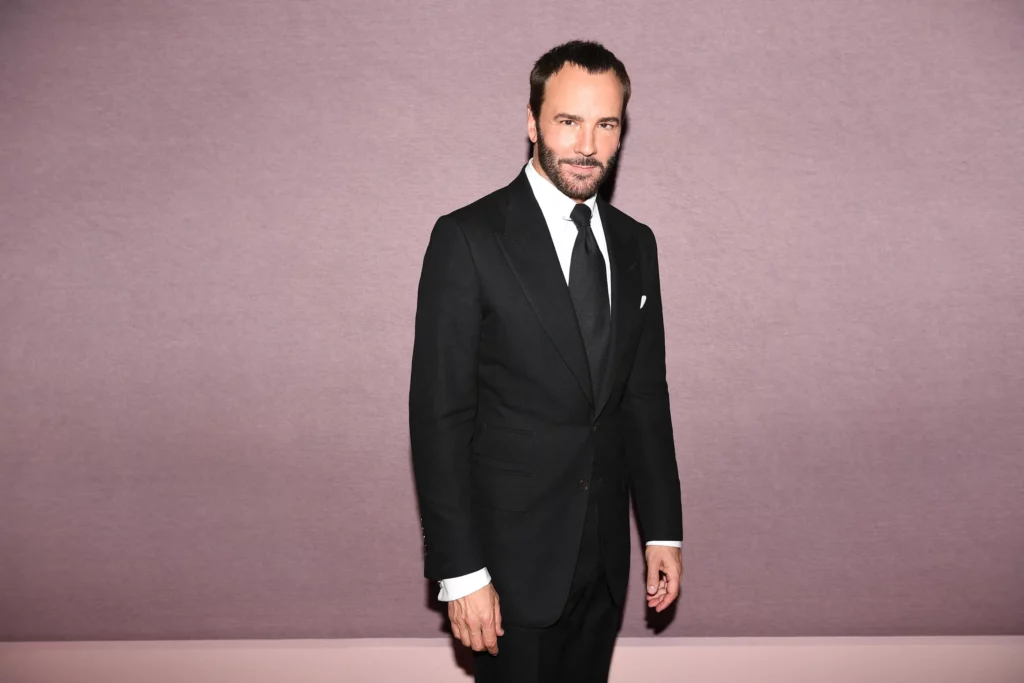
Now in its third year in a partnership with the nonprofit Lonely Whale, Tom Ford announced the Prize winners back in March. Startups Sway, Zerocircle, and Notpla all won for their use of seaweed to tackle plastic waste. The $1.2 million Prize Purse is a combination cash prize and direct investment presented by Title Sponsors Tom Ford Beauty, The Estée Lauder Companies, and Trousdale Ventures — the exclusive venture capital partner of the Prize.
“I started this Prize three years ago with a harrowing fear that the world our children would inherit would no longer be a livable one,” Ford said in a statement. “I wanted to be a part of the solution, not be an arbiter of the problem. If we did nothing about the waste and pollution flooding our oceans the disruption to our planet would be irreconcilable.
“Watching the brilliant minds within this competition has given me extraordinary hope in making the impossible possible. Our three winners have created truly viable alternatives – alternatives that when scaled across markets and industries will drastically change the course of the health of our planet,” Ford said.

Ethos caught up with Phillip Sarofim, founder and managing partner of Trousdale Ventures to learn more about the contest, the potential impact of the winners, and why it’s more important than ever that we put resources toward finding alternatives to plastic.
Ethos: What attracted you to this contest in the first place?
PS: Our oceans have suffered significant damage in the name of “progress”. Previous generations might be excused for being unaware of the consequences of their actions, but we now have undeniable evidence that human actions have serious effects on the environment.
The old well of excuses has run dry, and our knowledge puts the onus of responsibility on us to solve these problems. There are many worthy causes established to address issues like these, but I was drawn to the Tom Ford Plastic Innovation Prize in particular because it tackles one of the most pressing environmental problems of our time.
I believe the fashion industry’s cultural reach is a powerful tool to address these very serious environmental issues, and leveraging that strength is an outstanding way to effect change.
Ethos: Can you speak to the winners and what drew you to their offerings over others?
PS: First, I’d like to say I was so impressed by the selection of candidates — this was a great crowd, and it was difficult to narrow down the exceptional from this outstanding group. The judging process was rigorous and involved a lot of healthy debate. In the end, the companies we felt had that extra spark of creativity, technology, and tenacity were the ones that finished on top.
Ethos: Was it your intention for all companies to be working with seaweed?
PS: We found it hard to argue with seaweed-based solutions; our group of judges agreed that seaweed presents the most advantageous resolution to the issue thanks to its sustainable nature, plentiful supply, biodegradable properties, and adaptability.
Ethos: Why is seaweed showing so much promise for replacing plastic?
PS: Seaweed is great because it’s a renewable resource, and can be grown without the need for freshwater, pesticides, or fertilizers. Moreover, it absorbs carbon dioxide during its growth, bolstering its viability as an alternative to petroleum-derived plastics.
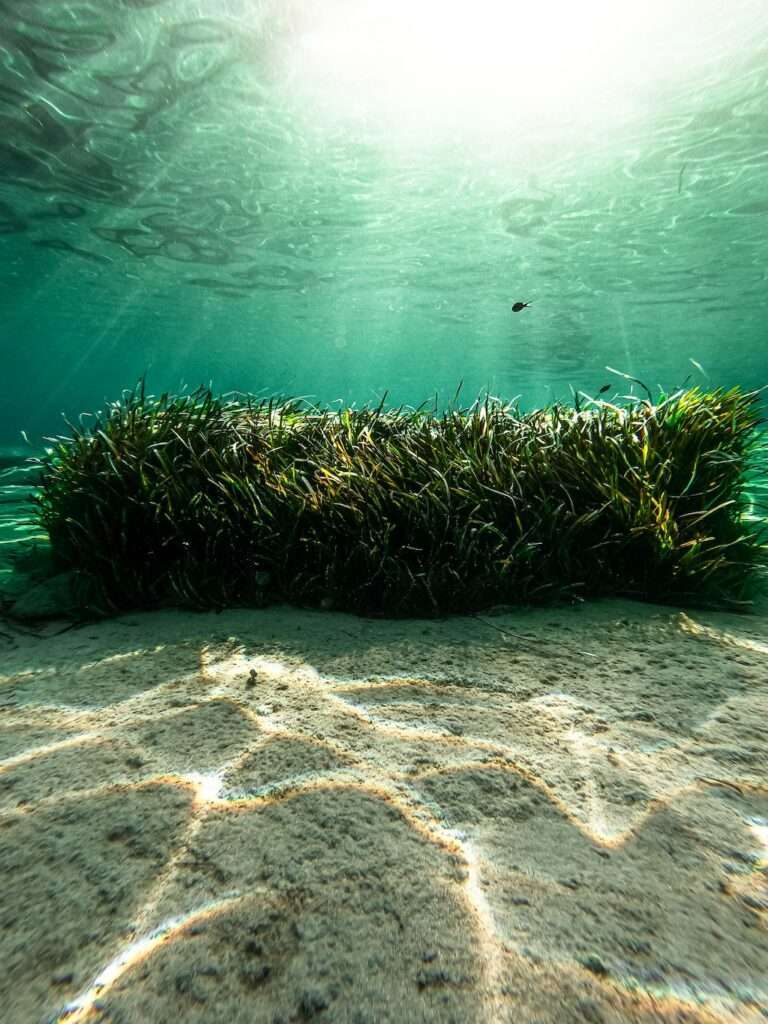
With an estimated global growth of around 10 billion tons, the abundance of seaweed makes it an economical option. Furthermore, plastics made from seaweed can be designed to decompose in various environments, such as soil, compost, and marine ecosystems, which helps reduce plastic waste.
Ethos: What will the accelerator look like for the winners?
PS: The Tom Ford Plastic Innovation Prize winners earned their titles by distinguishing themselves and showing potential for even greater accomplishments. Sway, Zerocircle, and Notpla will gain invaluable resources, guidance, and relationship-building opportunities through financial backing, exposure to seasoned professionals, and links to investors and collaborators. That combination will give them power and the platform to make a serious difference.
Additionally, the winners will gain recognition as trailblazers in the fashion industry and beyond by highlighting their sustainable plastic solutions. Trousdale Ventures is proud to share its network of entrepreneurs, creative minds, and innovators. By serving as a strategic ally, Trousdale Ventures will orchestrate cohesive teams of experienced industry trailblazers. Furthermore, we will contribute investment acumen and hands-on experience to ensure that these groundbreaking ventures are armed with the tools they need to affect positive change.
Ethos: How does Trousdale Ventures see the future of plastic evolving in fashion?
PS: The fashion industry is on the road to embracing a more circular and sustainable approach to plastics in the future, responding to increasing consumer expectations and environmental considerations. Key trends encompass circular fashion, innovative materials, and the adoption of biodegradable, bio-based, and recycled plastics. This transition, fueled by greater consumer consciousness, industry partnerships, and potential regulatory measures, will contribute to waste reduction and foster environmentally friendly practices within the fashion sector.
Related on Ethos:
