


Credit cards made from recycled materials support climate solutions and give back to planet-friendly organizations.
What if you could help the planet with just the swipe of a credit card? Granted, for the eco-conscious consumer, that would probably result in a rather hefty billing statement. But the flip side is that your purchases would help fund environmental solutions and tackle issues like climate change and deforestation. But just how impactful are purpose-driven credit cards, and how do they stack up to traditional cards?
The environmental impact of credit cards
Banks issue more than six billion credit cards each year — cards that must be replaced every few years. The problem is that credit cards are inherently unsustainable; the vast majority of them are made from non-biodegradable PVC. But their environmental impact extends far beyond a 3.375-inch by 2.125-inch piece of plastic.
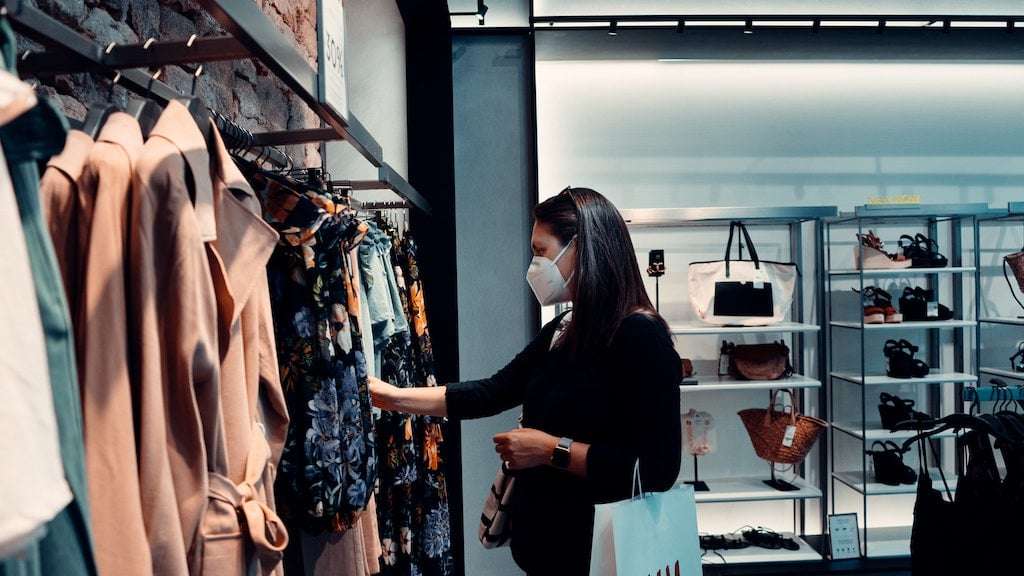
Given that studies show that people are likely to spend more money with a credit card than with cash, credit cards do nothing but feed our consumptive habits, which have been linked to a host of environmental problems like resource depletion and pollution. “Most of the environmental issues we see today can be linked to consumption,” Gary Gardner, director of publications for Worldwatch Institute, told National Geographic.
“As just one small example, there was a story in the newspaper just the other day saying that 37 percent of species could become extinct due to climate change, which is very directly related to consumption,” he continued.
Credit cards: to swipe or not to swipe?
Financially speaking, it’s possible to function without the use of a credit card — but they sure do have their perks. When used responsibly, credit cards can help you build credit. They can come in handy during an emergency, giving you the ability to make a big purchase without putting a ding in your savings account. They typically also offer zero liability protection, protecting you from unauthorized charges resulting from fraud or stolen cards.
Eco-conscious consumers looking to minimize the impact of their spending habits don’t have to forego credit cards altogether. Some banking institutions are working to eschew first-use plastic.

In 2022, investment banking firm Citigroup introduced recycled plastic for its corporate cards, which will be rolled out in the EMEA region before being distributed worldwide.
Bank of America also announced last year that its credit and debit cards will be made from at least 80 percent recycled plastic. The corporation, which issues 54 million consumer and commercial cards each year, says the move will help to reduce more than 235 tons of single-use plastics from going to landfills.
“Shifting to a recycled card product is another step toward a more sustainable solution which will help foster a circular economy,” Mary Hines Droesch, Bank of America’s Head of Consumer and Small Business Products, said in a press release.
As contactless payment services like Apple Pay grew in popularity amid the coronavirus pandemic, some companies are choosing to give up physical cards altogether. In 2022, the lease-to-own company FlexShopper launched FlexWallet, a virtual credit card that enables consumers to make purchases without cash or traditional credit cards. Anyone is eligible for FlexWallet — even without stellar credit ratings are encouraged to apply.
Related on Ethos:
