

Sunday, January 18, 2026

The UN Announces Its First-Ever Sustainability Week ‘to Galvanize Momentum’

Share

The United Nations General Assembly has announced its first Sustainability Week ahead of Earth Day.

United Nations General Assembly President Dennis Francis announced the inaugural UNGA Sustainability Week, taking place April 15 to 19. This flagship initiative aims to consolidate various mandated events into a single impactful week, elevating discourse on critical sectors such as tourism, infrastructure, energy, and transport.

At a press briefing at the UN Headquarters in New York, President Francis emphasized the significance of Sustainability Week. “The Sustainability Week initiative is essentially designed to galvanize momentum around sustainability in a way that helps to supercharge implementation of the 2030 Agenda for Sustainable Development,” he said.
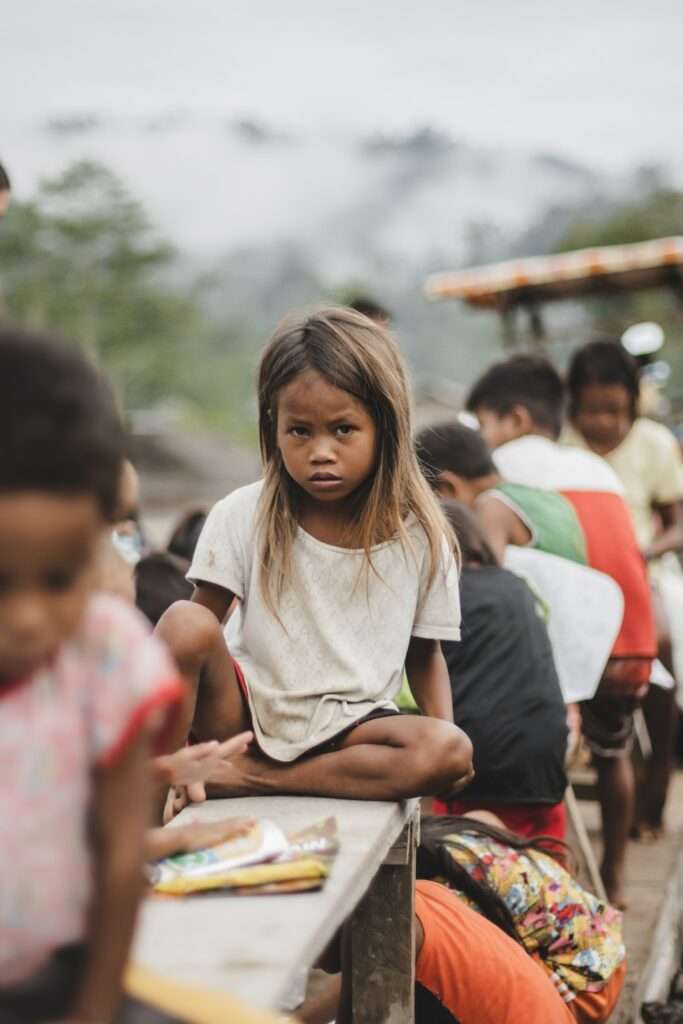
Villagers.
Courtesy Zeke Tucker

“As we passed the critical milestone of the mid-point in the implementation of the 2030 Agenda for Sustainable Development, impactful transformation remains central to the ongoing efforts to advance all three dimensions of sustainable development – social, economic, and environmental – to achieve peace, prosperity, progress, and sustainability for all,” reads a statement on the UN’s website. “Among others, COVID-19, conflicts, geopolitical tensions, and humanitarian crises in various parts of the world have posed severe challenges to these efforts and derailed implementation of the SDGs by 2030. Building on the momentum gained from the September 2023 SDG Summit is important in effectively tackling the triple planetary crises of climate change, biodiversity loss and pollution.”

Sustainability Week aims to serve as a precursor to the Summit of the Future in September 2024, and the UN says sustainability is more than ever “key for critical sectors of the economy to meaningfully contribute to a prosperous future for present and future generations.” It says that the foundation of the future of commerce must be marked by environmental responsibility. “We must promote sustainable production and consumption in every facet of human existence. Economic prosperity is intertwined with sustainability. Sustainable business models must, therefore, be promoted in all economic activities.”
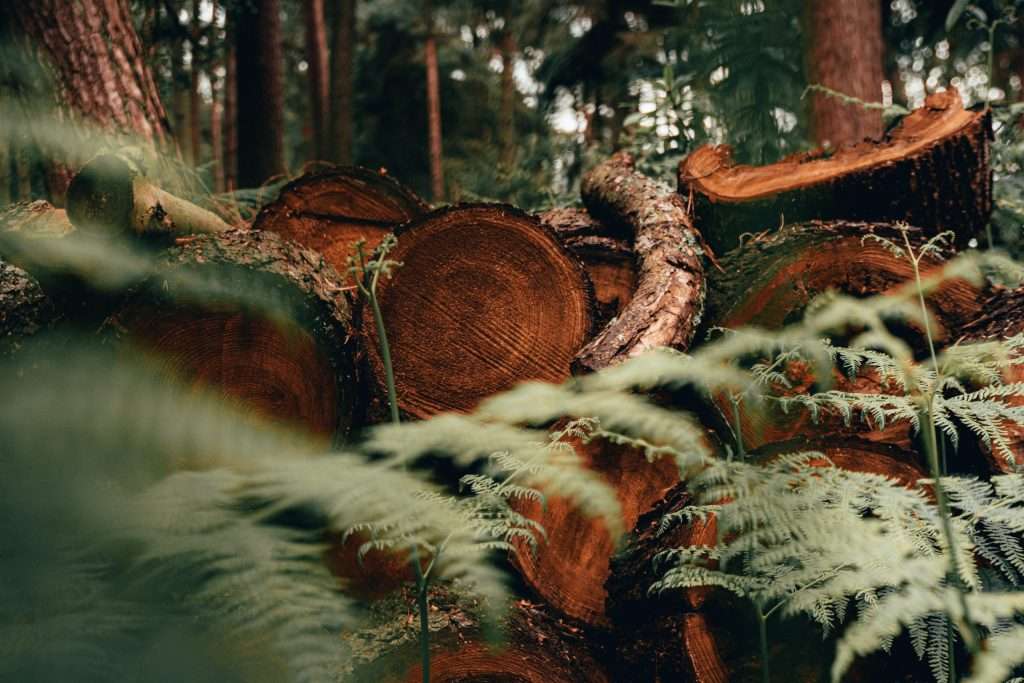
Logged forest.
Deforestation exacerbates the climate crisis | Photo courtesy Dan Smedley

Further, the UN says the global debt crisis has exacerbated the socio-economic disparities in the world. “Therefore, addressing debt sustainability as an avenue to improve socio-economic equality should be central to the focus on building a sustainable future.”

The week-long event, coming ahead of Earth Day, is expected to witness high-level participation from Heads of States and Governments, sector-specific ministers, and key UN officials. The week will see a high-level thematic debate on debt sustainability and socioeconomic equality. This session will shed light on the impact of surging debt on countries’ development trajectories. There will also be an event on tourism, addressing unsustainable practices within the industry and launching a statistical framework for measuring sustainability. One on sustainable transport, emphasizing its importance in achieving several Sustainable Development Goals (SDGs), conversations on building global resilience and promoting sustainable development through infrastructure connectivity. The week will end with a global stocktaking on sustainable energy, reflecting on progress and shortcomings over the UN Decade of Sustainable Energy for All 2014-2024. Additionally, a call to action will be launched to accelerate the implementation of SDG 7 on affordable and clean energy.

Beyond the 2030 Agenda, President Francis highlighted initiatives such as the Choose Sustainability campaign. This campaign encourages stakeholders to adopt pledges and sustainability practices. President Francis urged, “I encourage all permanent missions, stakeholders, and the media to adopt pledges to promote sustainability and to declare their support on social media while adopting sustainability practices.”

Related on Ethos:

Related

How Wildflower Loss Shaped Stella McCartney’s SS26 Collection

Stella McCartney’s SS26 collection references Britain’s disappearing wildflower meadows through hand-embroidered tailoring, continuing the label’s long-standing practice of embedding environmental themes into design and materials.

How L’Oréal Is Testing Sustainable Innovation at Scale

L’Oréal has revealed the first cohort for L’AcceleratOR, its €100 million sustainable innovation program, selecting 13 companies focused on packaging, ingredients, circular systems, and emissions data. The group was chosen from nearly 1,000 applicants and represents the first pilot phase of the five-year initiative, which is designed to identify, test, and potentially scale sustainability-focused technologies across the company’s global operations and the wider beauty industry. https://www.loreal.com/en/press-release/sustainable-development/-l-oreal-announces-the-first-13-change-makers-chosen-to-join-its-eur-100-million-sustainable-innovation-l-accelerator-program/ Launched in 2024, L’AcceleratOR was created to move beyond concept-stage innovation and toward commercial deployment, with a particular emphasis on solutions that can be piloted within existing industrial systems. The program is operated in partnership with the University of Cambridge Institute for Sustainability Leadership, which is overseeing a structured support phase centered on pilot readiness and business integration. https://www.cisl.cam.ac.uk/ Rather than narrowing its scope to a single sustainability challenge, L’Oréal has positioned the accelerator around a broad set of operational priorities, including low-carbon materials and energy, nature-sourced ingredients, water resilience, the reduction of fossil-based plastics, circular manufacturing processes, and inclusive business models. The composition of the first cohort reflects that approach, with selected companies spanning physical materials, chemical inputs, waste transformation, and digital infrastructure. https://www.esgtoday.com/loreal-backs-13-climate-nature-and-circularity-solutions-startups/ Packaging, Materials, and the Push Away From Fossil Inputs Several of the selected companies focus on rethinking packaging formats that remain deeply embedded in beauty supply chains. United Kingdom-based Pulpex is developing recyclable paper bottles intended to replace rigid plastic packaging, while Japan’s Bioworks produces bioplastics derived from sugarcane and other plant-based feedstocks. Sweden’s Blue Ocean Closures and PULPAC are advancing fiber-based packaging systems designed to reduce both material complexity and carbon intensity, and Estonia’s RAIKU transforms natural wood into protective packaging alternatives traditionally made from petroleum-based foams. https://esgpost.com/loreal-selects-first-13-start-ups-for-laccelerator-sustainability-programme/ Ingredients and formulation inputs are also central to the cohort. France-based Biosynthis focuses on renewable and biodegradable raw materials, while U.S. company P2 Science applies green chemistry principles to develop bio-sourced fragrance and ingredient components. Another U.S. firm, Oberon Fuels, converts wood and pulp waste into renewable dimethyl ether suitable for aerosol formulations, addressing a category that has historically relied on fossil-derived propellants. https://esgpost.com/loreal-selects-first-13-start-ups-for-laccelerator-sustainability-programme/ Circular Systems and Measuring What Matters Circularity solutions appear throughout the cohort, including Belgium’s Novobiom, which uses fungi to break down complex waste streams into higher-value materials, and France’s REPLACE, which has developed a single-step process to convert multi-layer waste into new durable products. From Brazil, Gàs Verde contributes biomethane production technology aimed at reducing fossil fuel use in industrial energy and transport. https://esgpost.com/loreal-selects-first-13-start-ups-for-laccelerator-sustainability-programme/ The only data intelligence company selected, United Kingdom-based Neutreeno, focuses on supply-chain emissions measurement and reduction, reflecting the growing role of digital infrastructure in meeting climate targets and regulatory expectations. https://www.esgtoday.com/loreal-backs-13-climate-nature-and-circularity-solutions-startups/ The thirteen companies will now enter a CISL-led support phase focused on pilot readiness, with opportunities to run six- to nine-month pilots and, if successful, scale solutions across L’Oréal’s operations. Ezgi Barcenas, Chief Corporate Responsibility Officer at L’Oréal, described the approach as intentionally collaborative, saying, “To accelerate sustainable solutions to market, we are being even more intentional and inclusive in our pursuit of partnerships through L’AcceleratOR. We are really energized to be co-designing the future of beauty with CISL and these 13 change-makers.” https://www.esgtoday.com/loreal-backs-13-climate-nature-and-circularity-solutions-startups/ L’AcceleratOR sits within the company’s broader ten-year sustainability strategy, which includes goals to reach one hundred percent renewable energy, source at least ninety percent bio-based materials in formulas and packaging, reduce virgin plastic use by fifty percent, and significantly cut Scope One, Scope Two, and selected Scope Three emissions by 2030. https://www.loreal.com/en/commitments-and-responsibilities/

What Is Eco Brutalism? Is It the Beginning or the End of Sustainable Design?

Eco-brutalism is an architectural style gaining popularity for combining brutalist design elements with greenery to create a unique aesthetic and the perception that it is more sustainable than traditional brutalism. However, it has also faced criticism, particularly regarding its sustainability status.

Six Senses Kanuhura Launches a Coral Reef Monitoring First in the Maldives

Six Senses Kanuhura has introduced an advanced coral-monitoring program that gives travelers a new reason to visit the Maldives — one rooted in reef science, long-term protection, and meaningful marine conservation.

The Healthiest Fish-Free Omega-3s

With so many benefits to our health, can omega-3 fatty acids also be healthy for the planet? What's the best sustainable source?