


A closet clean-out can be good for the soul and the wallet. Buy-back programs from companies like Patagonia and Lululemon will pay you for your old clothes and gear.
Fashion has a major problem with waste. And we do mean major. In the U.S., more than 34 billion pounds of textiles are thrown out every single year, according to Boston University. And from there, they usually end up in landfills.
In these burgeoning garbage dumps, which release more than 120 million tons of methane annually in the U.S., most of these clothes will not biodegrade. And that’s because they are made with plastic-derived materials, like polyester and nylon. It’s a scary thought, but the reality is that in 200 years, the clothing we ditch today could still be sitting in a landfill, leaching its toxins into the earth.
But the responsibility for the amount we throw away doesn’t rest solely on consumers’ shoulders. The brands that produce this clothing have a duty to ensure that at the end of its life, it isn’t causing major damage to the planet. That’s why, in a bid to tackle the waste crisis, a number of clothing brands have launched their own buy-back or trade-in programs. This means that they will take back the clothing you bought from them when you’re finished with it.
Clothing buy-back and trade-in programs
So, got some old clothing you need to get rid of? Before you open up that trash can, or donate to charity (which also comes with its own set of potential problems), check the label first, and see if it can be sent back to the brand it came from. To help you out, these brands offering buyback or trade-in programs right now.

1. Eileen Fisher
Eileen Fisher has been prioritizing ethical fashion for decades — in fact, the New York-based label has actually been running a take-back program since 2010. In 2017, it labeled the program Renew, and it is still running today. To participate in Renew, all you need to do is return your clothes to the brand (and you’ll even receive $5 in Renew Rewards for doing so). After that, they will be sorted, cleaned, and either recycled or resold, depending on the condition.
2. Levi’s
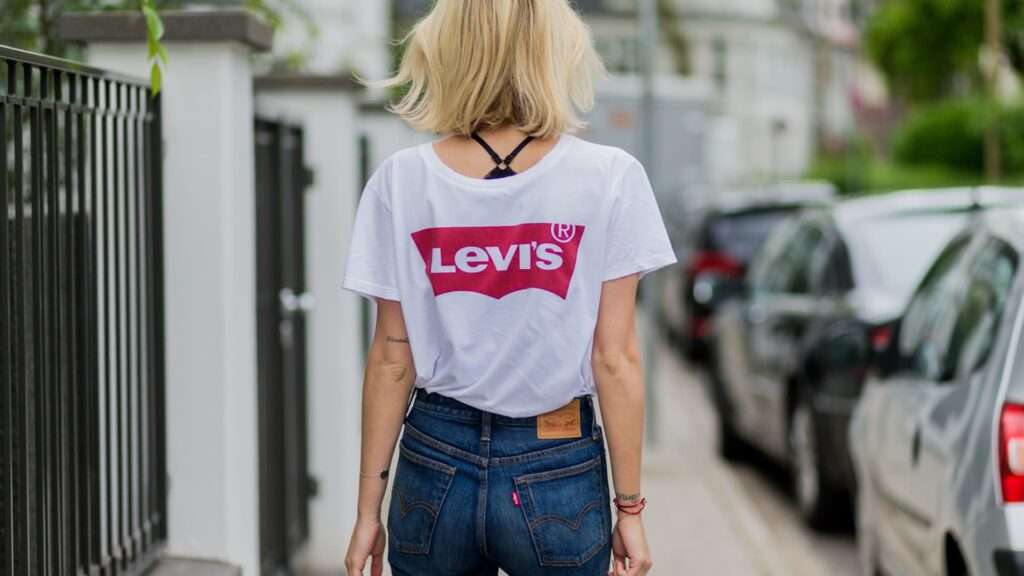
Levi’s jeans are designed to last, but, inevitably, rips happen and bodies and tastes change. So if you’ve had enough of your pair, you can take them back to the brand’s retail stores in the US and receive a gift card in return. According to the brand, it accepts five items per appointment (which you will need to book online), and those in good condition will be resold on the brand’s second-hand platform. If Levi’s is unable to resell the clothes, the brand notes it will “properly dispose” of the items or donate them on your behalf.

3. Lululemon
In 2022, popular athleisure brand Lululemon launched its first trade-in and resale program for “gently used” garments, called Like New. Just like Levi’s, when you return the item, you will receive a gift card in return which can be used in any of Lululemon’s stores and online. According to the brand, “100%” of the profits from Like New go towards “lessening” its environmental impact.
4. Patagonia
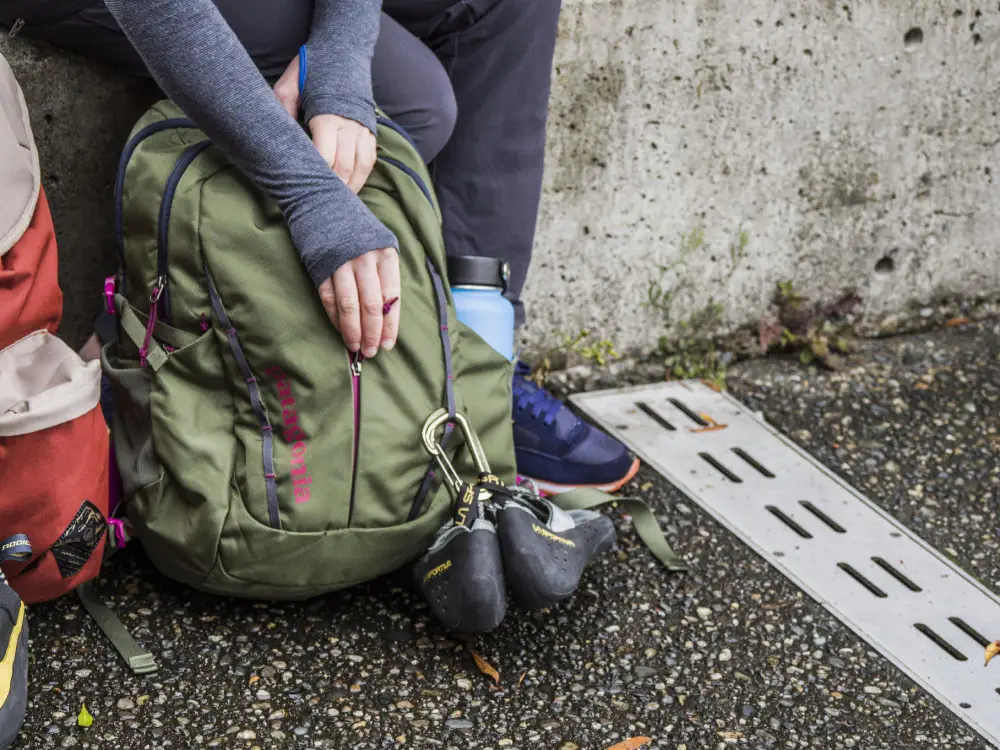
Patagonia is often hailed for its commitment to sustainable materials, but it also has its own trade-in program, called Worn Wear. If you’ve got Patagonia clothing that is worn in but still in functional and good condition, send it back to the brand via the mail, and you’ll get a gift card that you can use to buy more used clothing on Worn Wear. If you prefer to buy new, you can also use it at Patagonia’s regular store.

5. & Other Stories
& Other Stories doesn’t have a resale platform like many of the other brands on this list, but it does offer you help with textile recycling, donation, and reuse. All you need to do is fill a bag with old garments (you can also include the brand’s beauty packaging) and take it into one of its stores. In return, you’ll get 10 percent off your next purchase.

6. Reformation
Reformation, again, is already known for its commitment to using sustainable materials to make its clothing. But recently, it decided this wasn’t quite enough, and so launched its own Ref Recycling program. It’s pretty simple, just like the others, the brand will pay you in Reformation credits to get its old, damaged clothing back. After that, the brand will aim to recycle as much as it can (although it’s worth noting that technology is limited in this area). If you’d prefer to resell your clothing, you can also get a Reformation credit via the brand’s partnership with ThredUp, an online thrift store.

7. Madewell
Madewell also has a partnership with ThredUp. To benefit from the program, all you need to do is sent your old clothes from the brand into Thredup for reselling, and you’ll gain a Madewell credit in return for the value of the garment you sent in.
8. The North Face
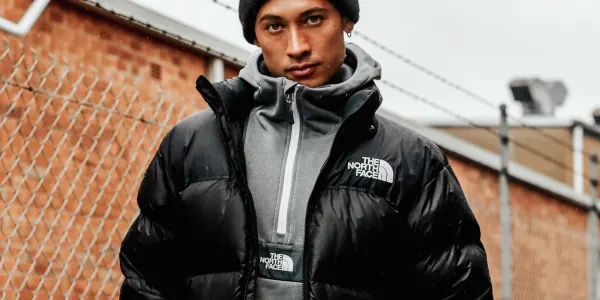
The North Face has been putting sustainability efforts up front in recent years by reducing waste and using sustainable materials. And its Clothes the Loop program is no exception. It encourages customers to drop off their used clothing and footwear, which will be repurposed, recycled, or donated, in exchange for store credit.

9. Timberland
Timberland is turning up the volume on sustainability, from shoes made with recycled rubber outsoles and recycled plastic linings to organic cotton tees and its 100 percent down-free jacket insulation. Timberland’s Second Chance program also allows customers a way to do their part; bring in your gently worn Timberland products for recycling or donation, and receive a discount on your next purchase.

10. MUD Jeans
MUD Jeans brings a cool new feature to the buy-back concept with its Lease A Jeans program, which allows customers to lease jeans for a monthly fee, and when they are ready for a new pair, they can return the used jeans for recycling or upcycling.
11. Girlfriend Collective
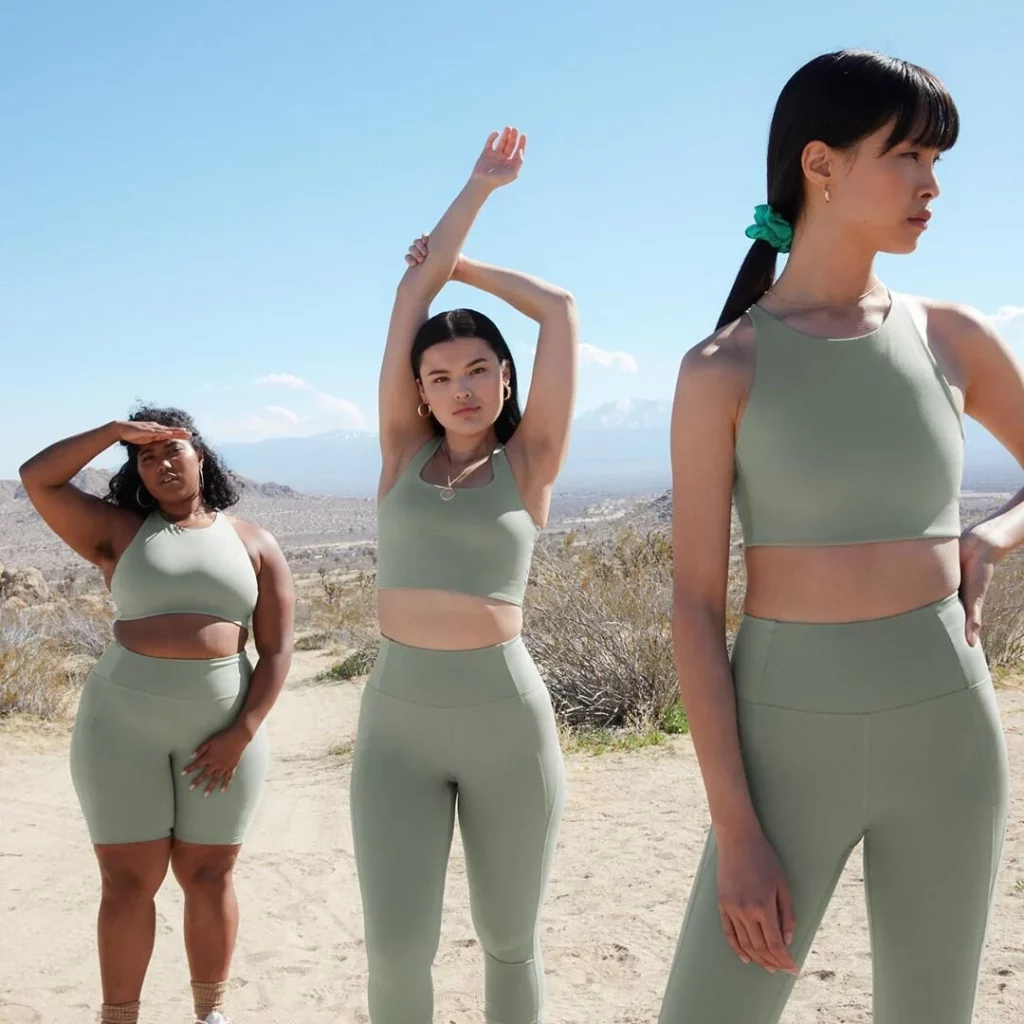
Girlfriend Collective brings sustainability to its products from the start, turning recycled fishing nets and water bottles into a range of apparel items. And, once those items are ready for a new life, the ReGirlfriend program allows customers to return their worn-out Girlfriend Collective activewear for recycling in exchange for a store credit toward a new (but always upcycled!) item.
12. Outerknown
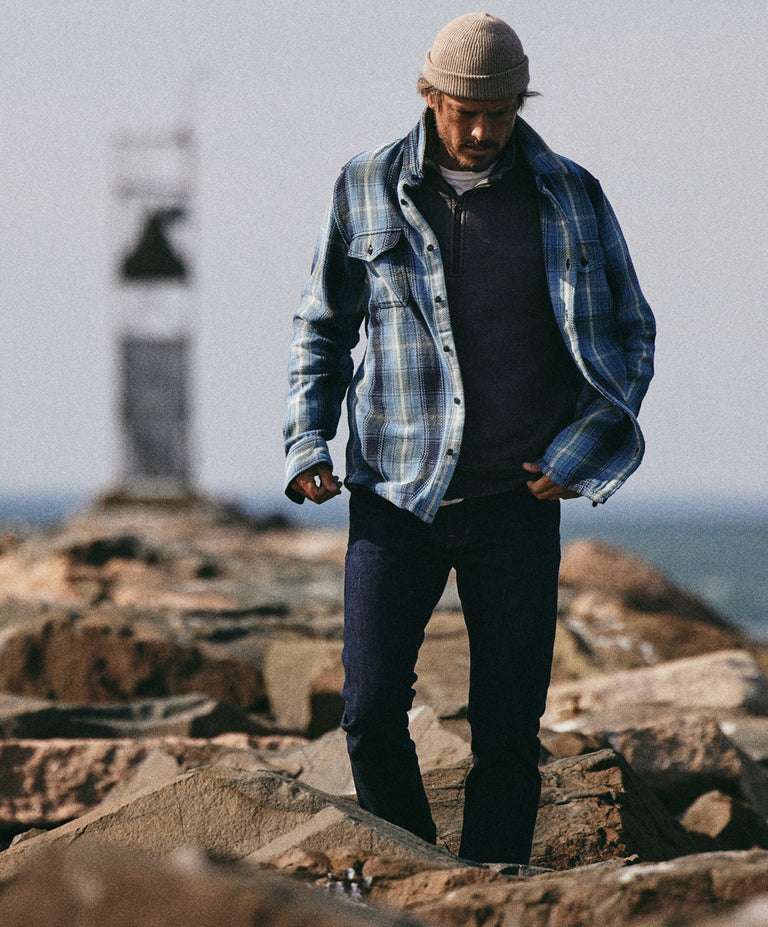
11-time World Champion surfer Kelly Slater’s apparel label Outerknown launched in 2015 with a mission to sustainable and long-lasting apparel. Its resale platform Outerworn, allows customers to “share the love” and support a circular future.
13. Athleta
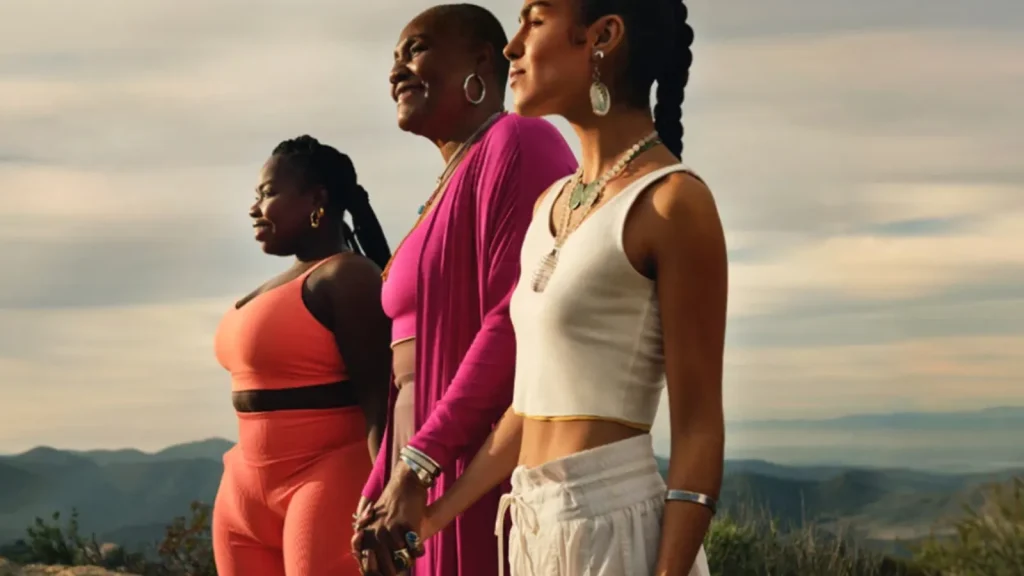
Certified B Corp athleticwear label Athleta offers gently used items on its Athleta Preloved site as a means to curb new products. It notes 85 percent of clothing in the U.S. are sent to landfills or end up incinerated instead of being reused or recycled. “Every time you shop gently used items instead of new, you help keep clothing out of landfills,” Athleta says on the site. Selling your gently used items lands you Athleta shopping credit in just a few steps.
Related on Ethos:
All products featured on Ethos have been independently selected by our editorial team.
When you buy something through our links, Ethos may earn an affiliate commission.
