


Keep your toes warm and the planet cool with these sustainable sock brands that use recycled, natural, and bio-based materials.
Dressing sustainably is a top priority for many eco-conscious consumers. For those looking to lessen their environmental footprint, start with the basics: sustainable socks.
What to do with old socks
Opting for sustainable essentials when shopping — from your underwear down to your socks — is an easy swap. Of course, that’s not to say that you should go and throw away all of your old socks in favor of new, more eco-friendly pairs.
The number of old socks that are discarded every year may seem meager compared to garments. (About 11,300 tons of socks made their way to landfills in 2020.) But when they do reach their expiration date — mismatched, stretched out, holey, and all — make sure you discard them sustainably.
There are a number of textile recycling programs, such as the Council for Textile Recycling, Nice Laundry, and Terracycle, that can give your old socks a new lease on life. You can also repurpose old pairs, using them as cleaning rags or dog toys.
What about wool socks?
While wool has been a preferred sock fiber for centuries, there are reasons to reconsider using it and opt for plant-based fibers instead. Wool is an animal product, and some people choose not to use animal products due to concerns about the treatment of animals in the wool industry. These concerns may include the welfare of sheep and the practices used in shearing. There are also environmental concerns; while wool is a natural and biodegradable material, sheep have significant environmental impacts, such as land degradation and methane emissions. Methane is a greenhouse gas that traps more heat than carbon in the short term, accelerating global warming.
There are other reasons to avoid wool, too, as some people are allergic or sensitive to wool. Wearing wool socks can cause itching, redness, or other forms of skin irritation in these individuals. Wool socks also typically require more careful washing and drying than socks made from other materials. They may need to be hand-washed or washed on a gentle cycle and air-dried to prevent shrinking and maintain their shape and quality, whereas natural fibers typically don’t require such care.
Sustainable sock brands to shop
Sustainably made socks may include a number of plant-based materials including cotton or Tencel. Manufacturers are also finding ways to use upcycled plastic bottles and recycled nylon. These materials aren’t biodegradable like cotton, but they help to keep synthetic materials out of the wastestream. In some cases, these materials can be repeatedly recycled at end of life, too.
Ready to put your best — and most sustainable — foot forward? Shop these eco-friendly sock brands.
1. Conscious Step
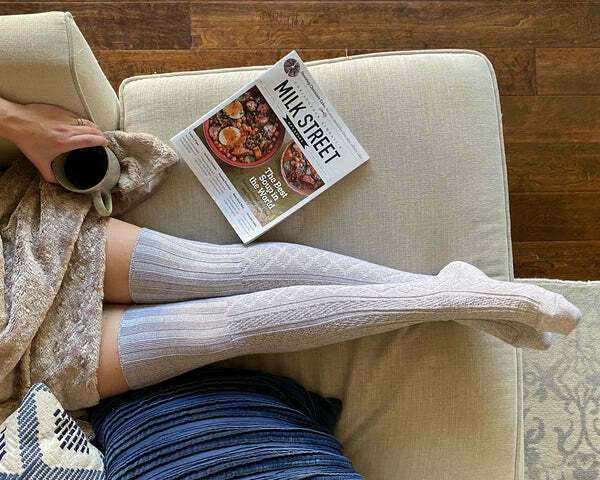
For socks that are ethically and sustainably made, shop Conscious Step. The company’s Fair Trade socks feature eco-friendly materials like organic cotton and recycled polyester. Plus, every pair supports a good cause, from socks that save dogs and socks that protect oceans to socks that promote reforestation. For every box sold of “socks that plant trees,” 12 trees are planted through Conscious Step’s partnership with the Maryland-based nonprofit Trees for the Future.
2. Swaggr
With ankle socks, crew socks, knit socks, and more — Swaggr is on a mission to rid the planet of plastic waste. To date, the company has upcycled more than 100,000 plastic water bottles to create its sustainable socks.
3. Happy Socks
Known for its eclectic and colorful socks, this Swedish retailer is ramping up its sustainability efforts. By 2030, the brand aims to use only recycled and sustainably sourced materials. The company’s sustainable styles feature materials like Tencel and organic cotton. Cat socks, panda socks, mountain gorilla socks—you name it, and Happy Socks has probably got it.
4. Outerknown
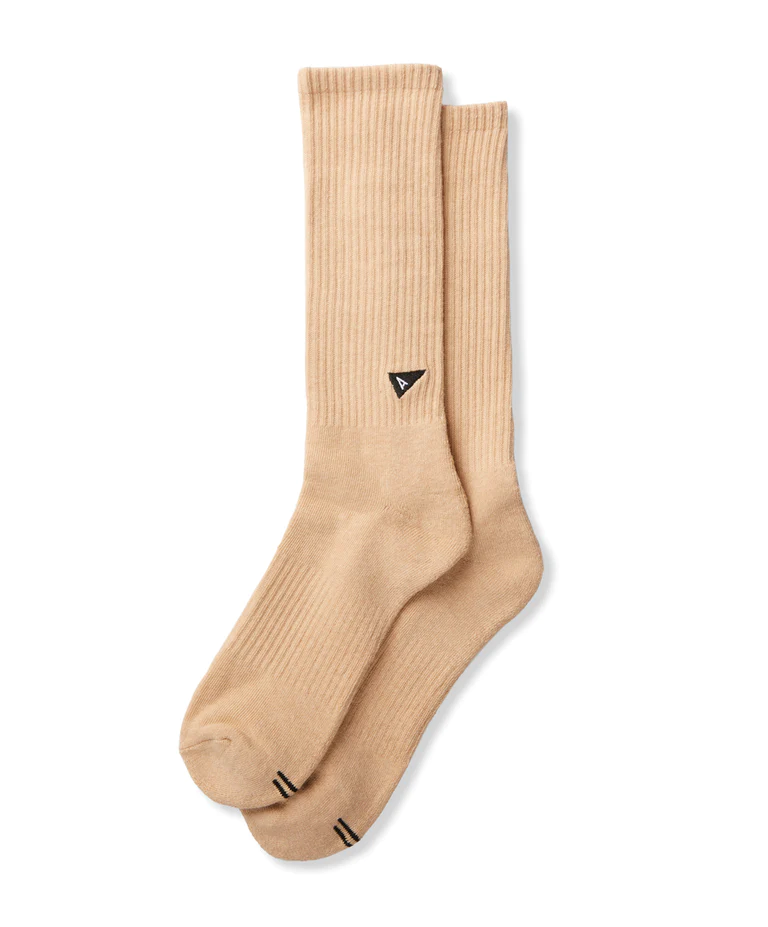
Founded in 2015 by professional surfer Kelly Slater, this outdoor apparel brand knows a thing or two about sustainability. Made responsibly using high-quality organic materials, the company’s collection of plant dye socks feature no harmful chemicals and contributes to zero water waste.
5. Thought
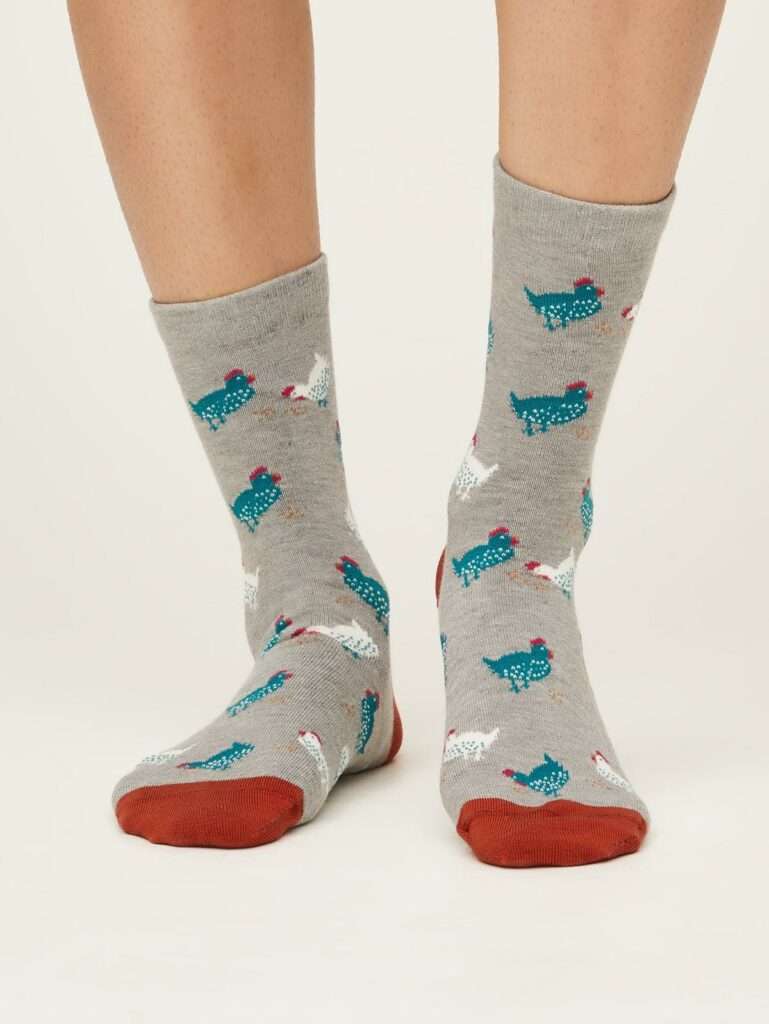
Creating sustainable apparel since 1995, this company creates comfy socks using bamboo, organic cotton, and recycled polyester. Snag a pair of frilly Ariella Bamboo Ankle Socks or a pair of knee-high recycled nylon socks.
6. Girlfriend
“Unbelievably cozy for your feet, recycled, and recyclable for the planet,” this company’s socks are a no-brainer for your feet. The brand’s socks, which are made from recycled plastic bottles, feature inspiring messages like “Waste Not,” “Please Recycle,” and “Slow Down.”
7. Boody
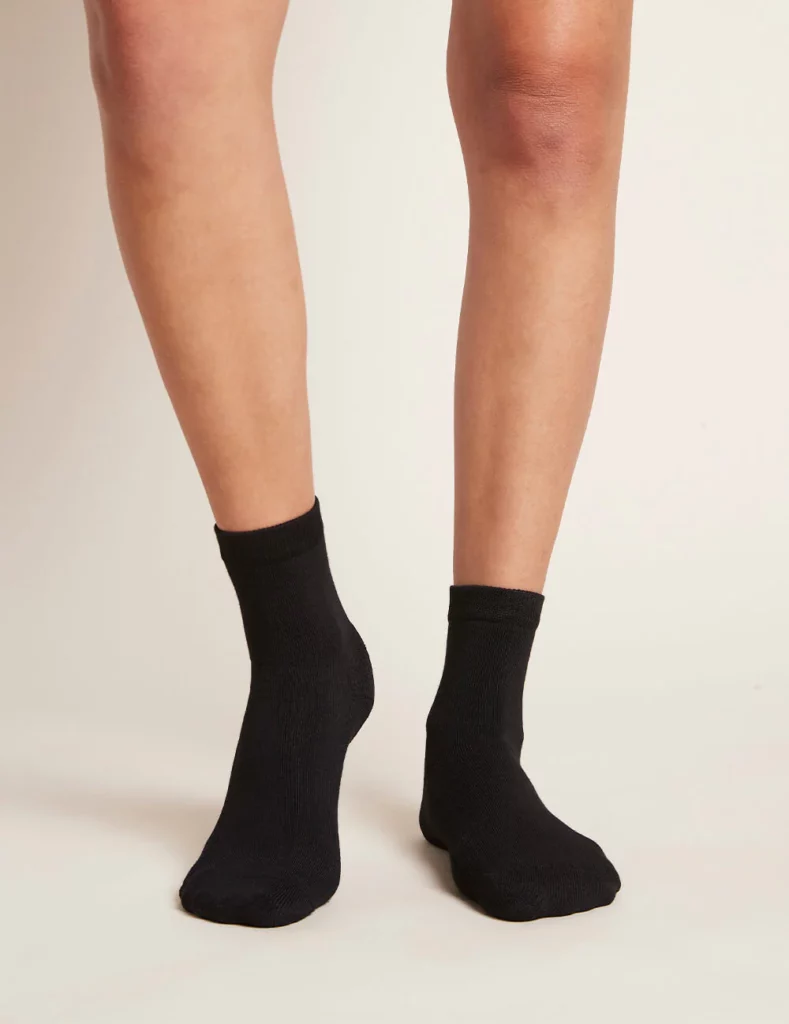
This company’s sustainable essentials are made from naturally grown bamboo. Available in ten signature styles—from crew boot socks and chunky bed socks to everyday ankle socks and sports socks—give your sock drawer an eco-friendly makeover courtesy of Boody.
Related on Ethos:
All products featured on Ethos have been independently selected by our editorial team.
When you buy something through our links, Ethos may earn an affiliate commission.
