

Fair trade certification is a widely recognized label on chocolate, coffee, and beauty ingredients, but what is fair trade clothing? And what impact does it have?
Unfair treatment underpins the fast fashion industry. We’re not talking about consumers, who get access to cheap new styles constantly. But rather the treatment of garment workers, who are consistently exploited to make all of these bargain clothing deals possible.
But if you don’t want to engage with fashion brands that treat workers unfairly, there is another option: fair trade clothing. The movement embodies a rejection of fast fashion’s principles and is centered around the ethical, respectful, and, well, fair, treatment of the people who make our clothes. Here’s more about what it means, and how you can engage with brands that don’t exploit garment workers.
What does fair trade mean in clothing?
You may have heard of the term “fair trade” in relation to coffee and chocolate, but it can also apply to clothing. Essentially, if a brand claims to employ fair trade practices, they are ensuring that garment workers (most of whom work in developing countries) are paid fairly, and are able to work in decent conditions. Unfortunately, in fast fashion, the latter isn’t guaranteed.
Last year, one study investigating fast fashion linked major, international brands like Zara, H&M, and Gap with “unfair practices” in the Bangladeshi garment industry. Researchers looked at around 1,000 factories and found that more than half were dealing with issues like delayed payments, total payment refusal, and order cancellations. This all has major consequences for the workers, as it results in job loss and wage reductions.
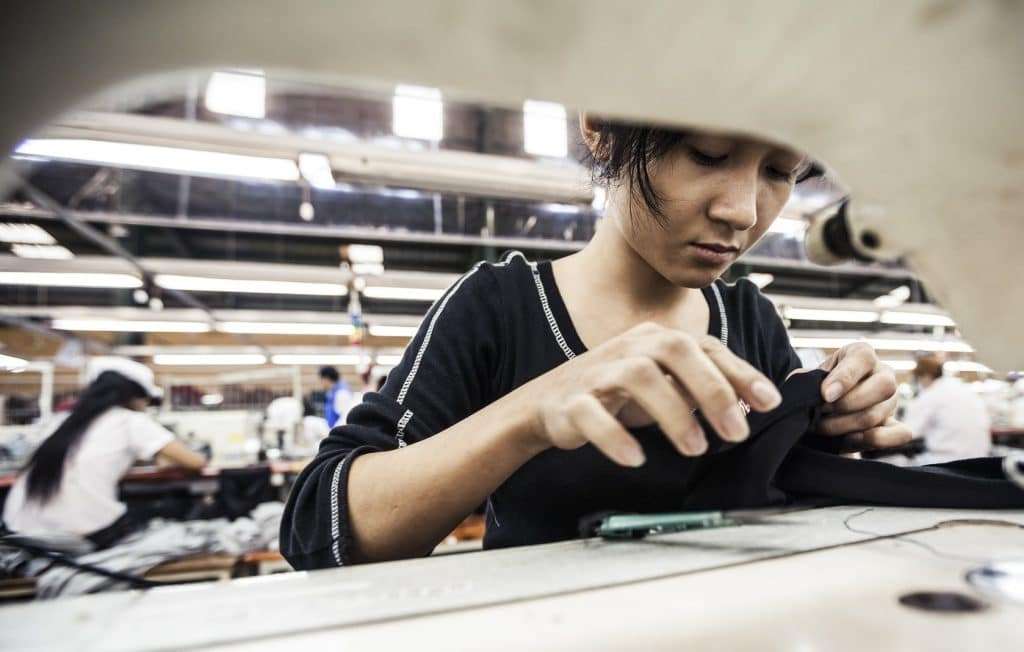
“Importantly, one in five factories reported that they had struggled to pay the Bangladeshi legal minimum wages since the factories had reopened following the March and April 2020 lockdown,” notes the study, which was conducted by Aberdeen University and nonprofit Transform Trade. The latter is among many organizations campaigning for a better, fairer fashion industry, and what it calls “people-centered trade.”
“When trade values people over profit — the world becomes a vastly different place,” it notes. “Business can be a tool for good.”
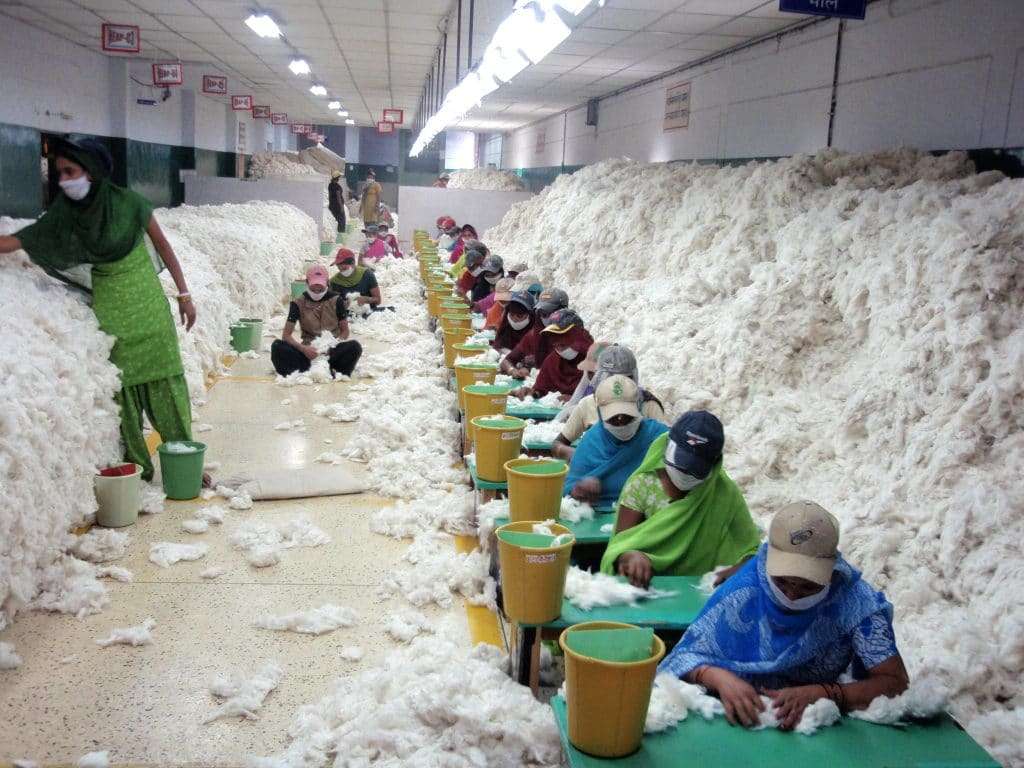
And when it comes to fair trade, Fairtrade International is likely one of the most recognized names in the movement. Alongside products like cocoa, coffee, and fruit, the organization partners with producers and farmers to ensure that cotton, one of the fashion industry’s most-used fabrics, is exploitation-free, but also kinder to the planet. After all, regular cotton production is extremely chemical- and water-intensive.
“Fairtrade cotton fields in Western Africa and India are rain-fed, reducing the region’s water footprint when compared with production in other countries,” the organization notes.
How do you know if clothes are fair trade?
The first step to ensuring your clothes are fair trade is to avoid fast fashion brands. This is good for the planet, too, as most of these garments are produced to be worn a handful of times before they inevitably end up in the trash, and then the landfill.
The next step is to seek out more ethical brands. You’ll know when a brand claims to employ fair trade practices, because, quite simply, they’ll tell you about it. But don’t just settle for face value, look for certifications (like Fairtrade International certified cotton, for example), and further details about why and how a brand pays and treats their workers. Most ethical companies will have a page dedicated to giving you this information.
People Tree, for example, is one example of a fair trade fashion brand that has received certification from Fairtrade International and is vocal about its commitment to ethical practices. “Our mission is to work with disadvantaged farmers and workers to promote fairer trading conditions and empower farmers and workers to combat poverty, strengthen their position, and take more control over their lives,” it notes on its website.
Another good indicator of whether a brand is ethical or not is price. Fast fashion companies can often sell $5 dresses because people in their supply chains are being short-changed, but this doesn’t happen in fair trade companies, so prices can be higher. (So try to consider these garments as investment pieces to save up for, rather than throwaway items.)
That said, there are affordable fair trade brands out there. London-based Yes Friends, for example, is proud of its ability to pay living wages to its garment workers, but still offers sustainable t-shirts for less than £10.
By choosing sustainable fair trade clothing, we can all play a role in building a better fashion industry for everyone. Not just for us and the planet, but for the garment workers who have had the raw end of the fast fashion deal for far too long.
Fair Trade fashion brands
While not all of these brands are Fair Trade-certified, many use Fair Trade-certified materials or prioritize sustainable materials and ethical supply chains. For more information, visit the brands’ websites.
1. People Tree
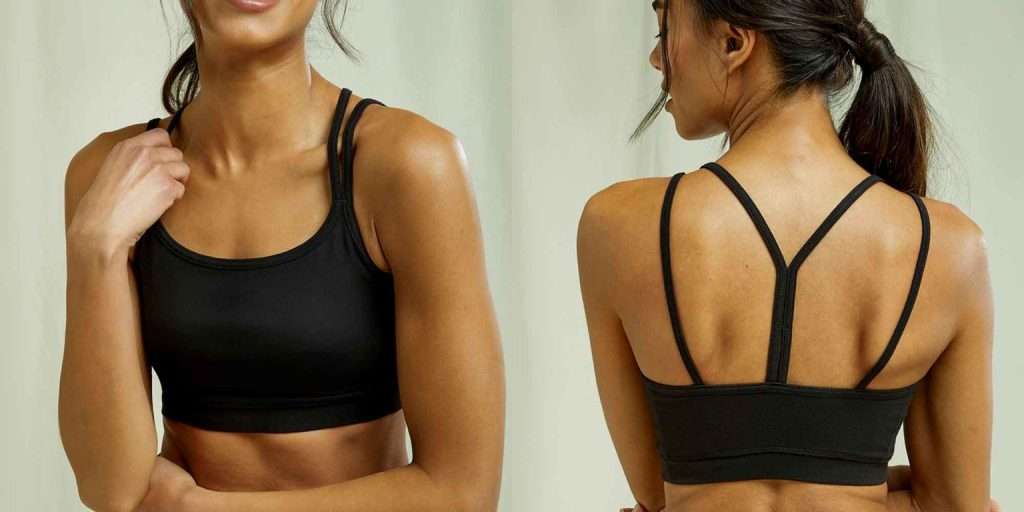
A pioneer in ethical and sustainable fashion, People Tree is committed to fair trade principles and environmentally friendly practices.
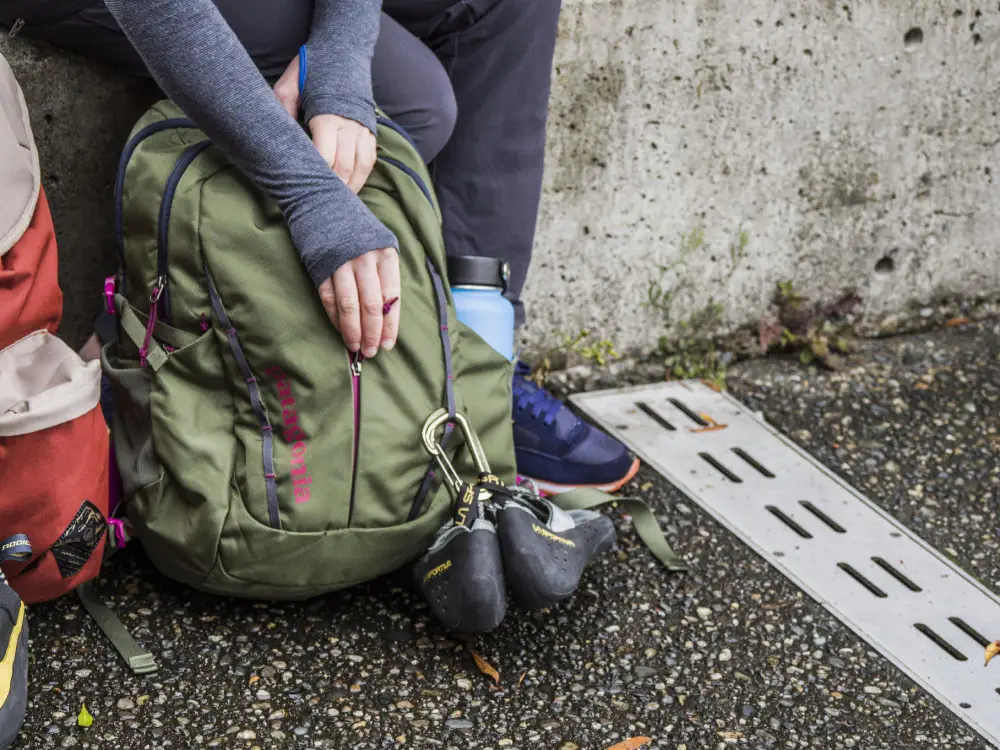
2. Patagonia
The leading outdoor apparel brand that prioritizes sustainability and fair labor practices.
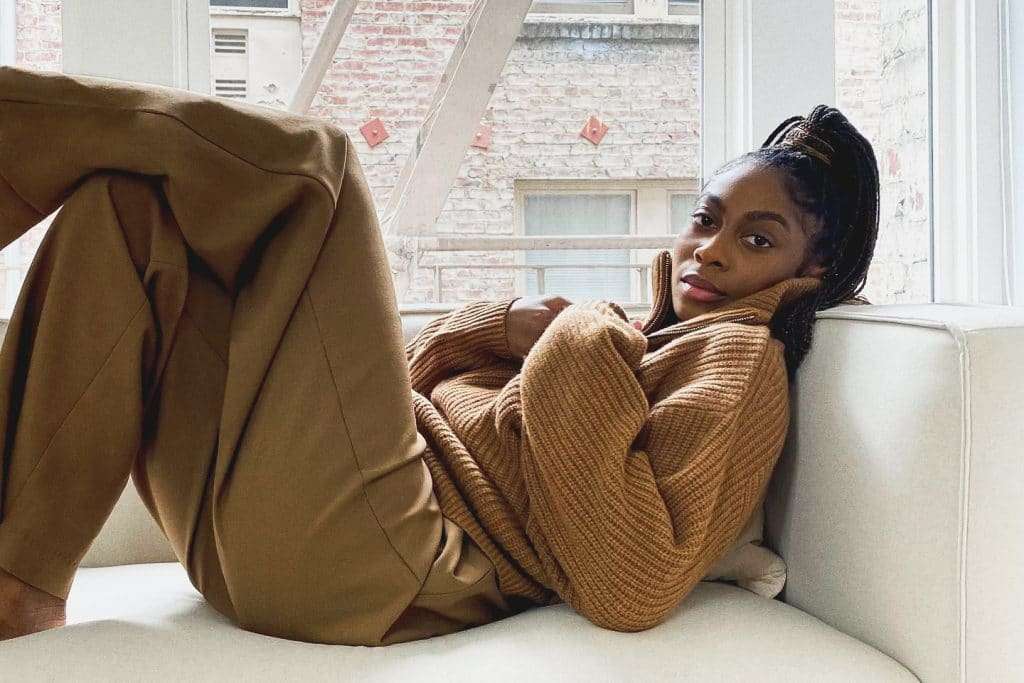
3. Everlane
A transparent clothing company that partners with ethical factories to ensure fair wages and working conditions for all workers.
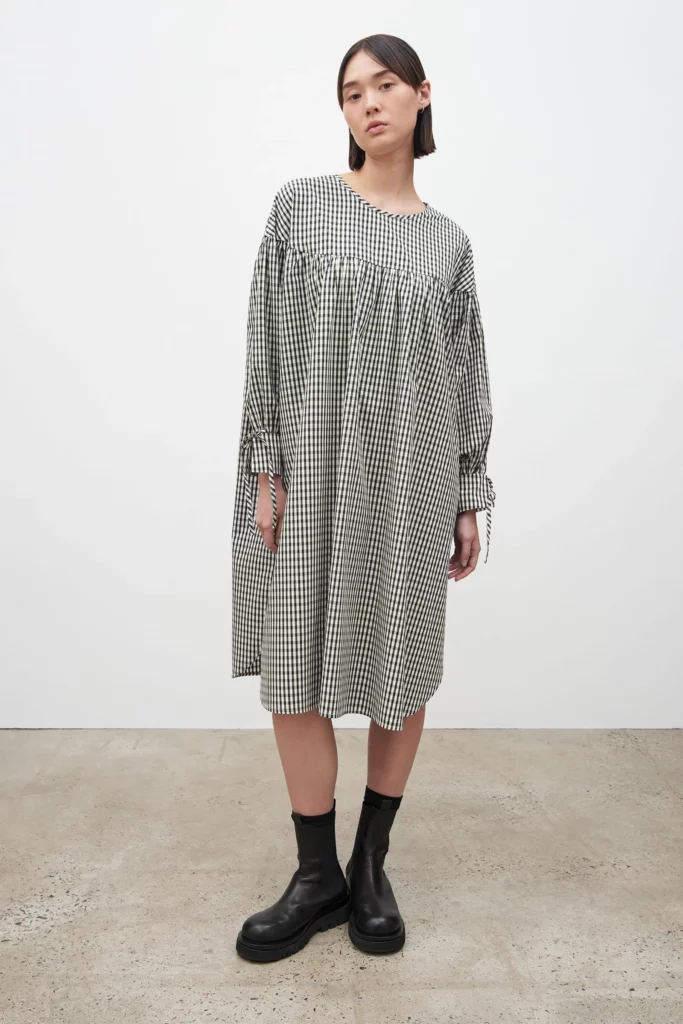
4. Kowtow
A New Zealand-based brand that produces sustainable and ethically made clothing.
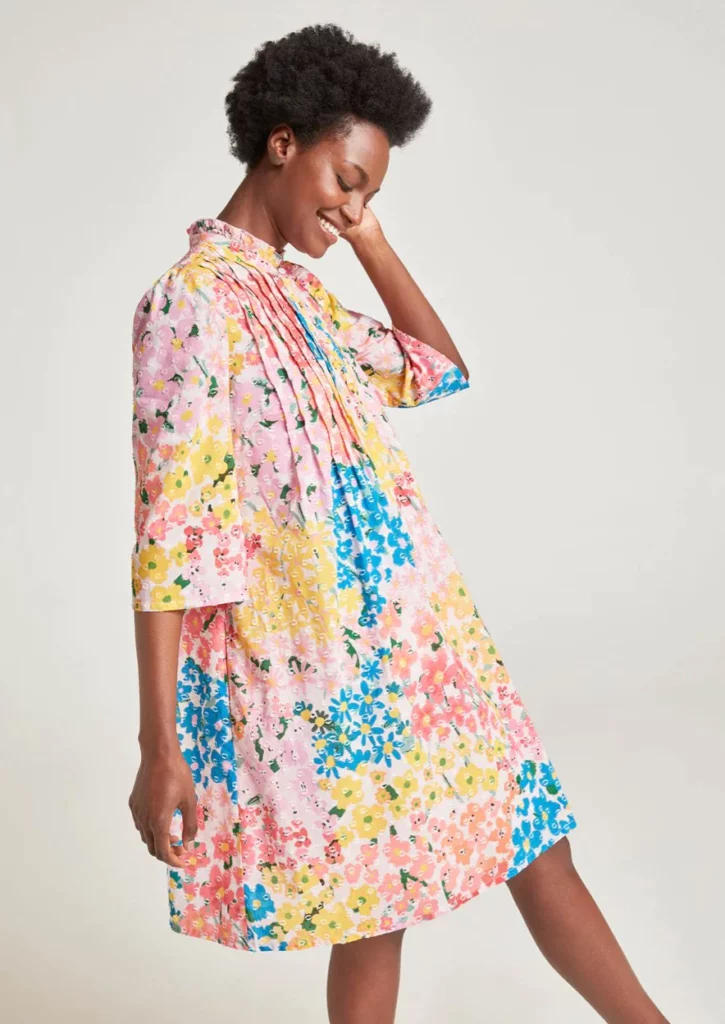
5. Thought Clothing
Sustainable and ethical clothing that is made with natural, organic, and recycled materials.
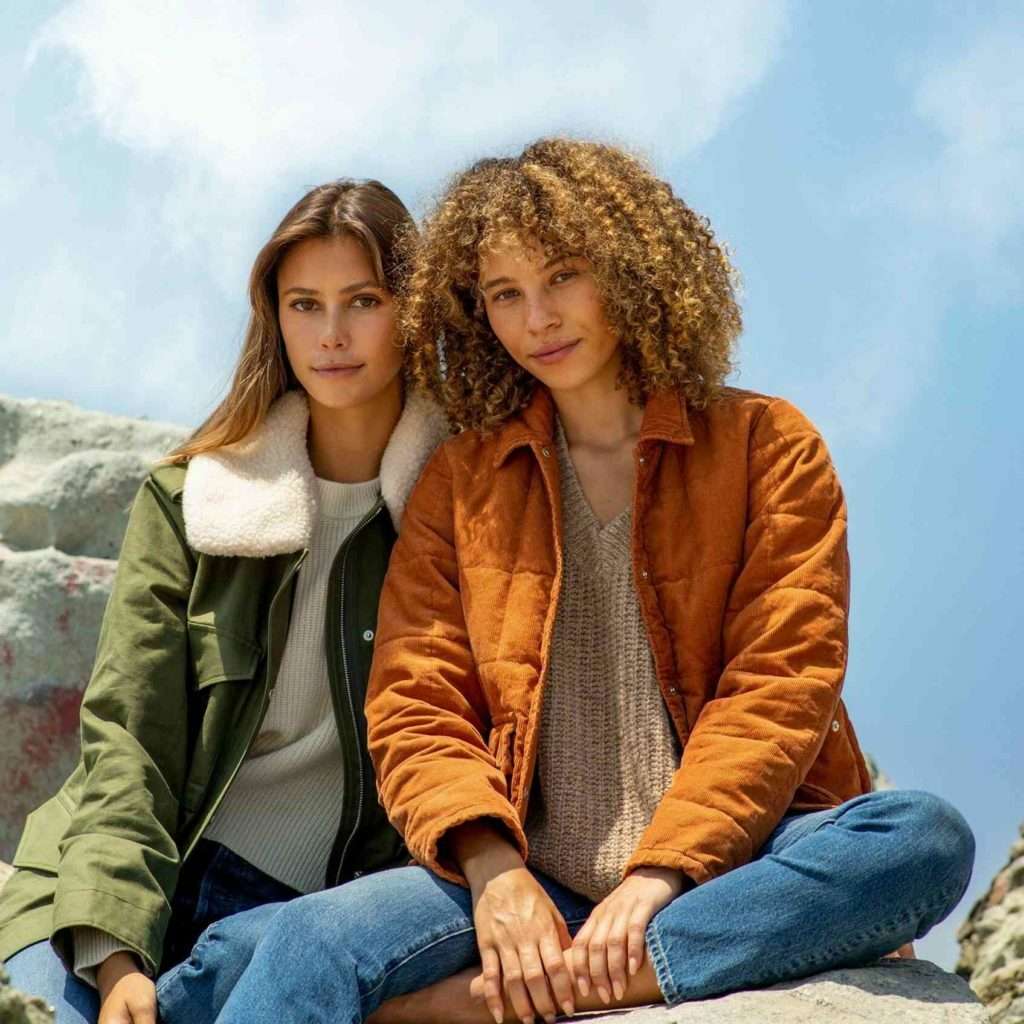
6. Outerknown
A sustainable clothing brand founded by professional surfer Kelly Slater. The company’s clothing is made with eco-friendly materials and fair labor practices.
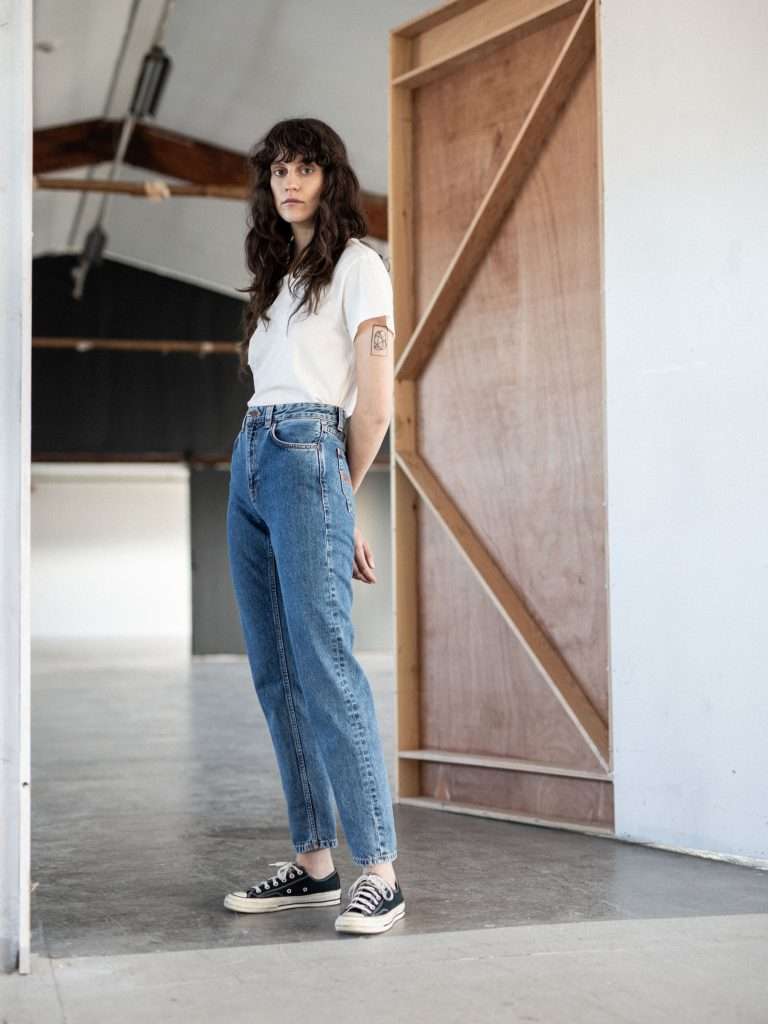
7. Nudie Jeans
A Swedish denim brand that produces high-quality jeans using organic and fair-trade cotton.

8. Indigenous
A fair trade fashion brand that produces handmade clothing using organic and sustainable materials.
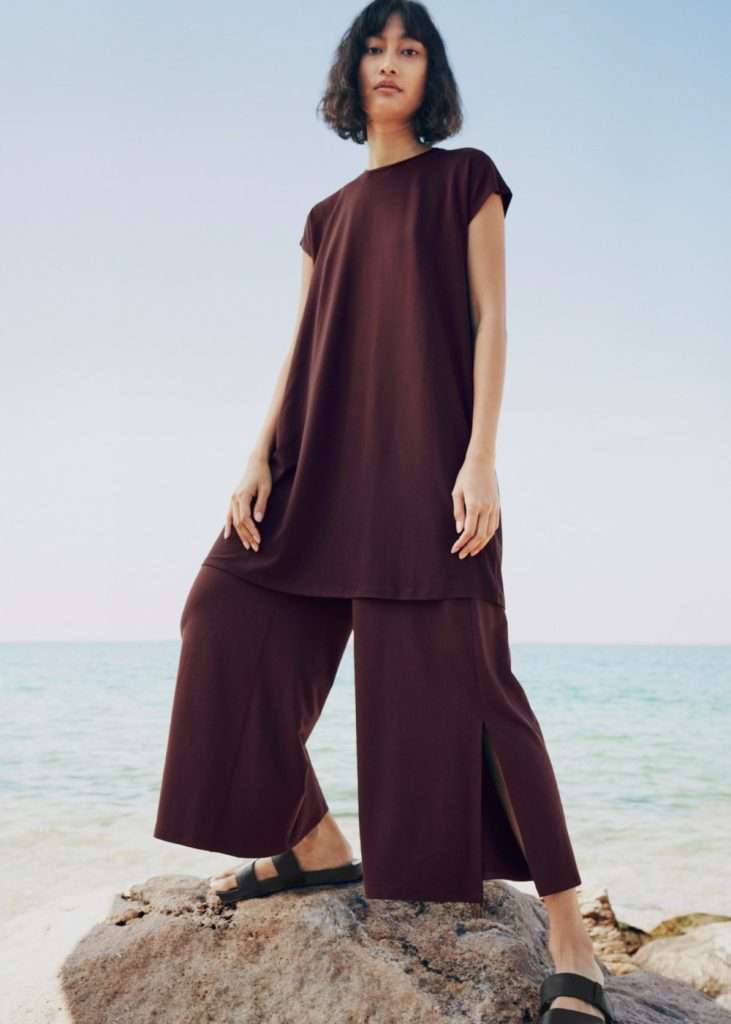
9. Eileen Fisher
Eileen Fisher is a pioneer in sustainable fashion. The brand prioritizes ethical production and sustainable materials.

10. Reformation
A sustainable fashion brand that uses eco-friendly materials and ethical production practices.
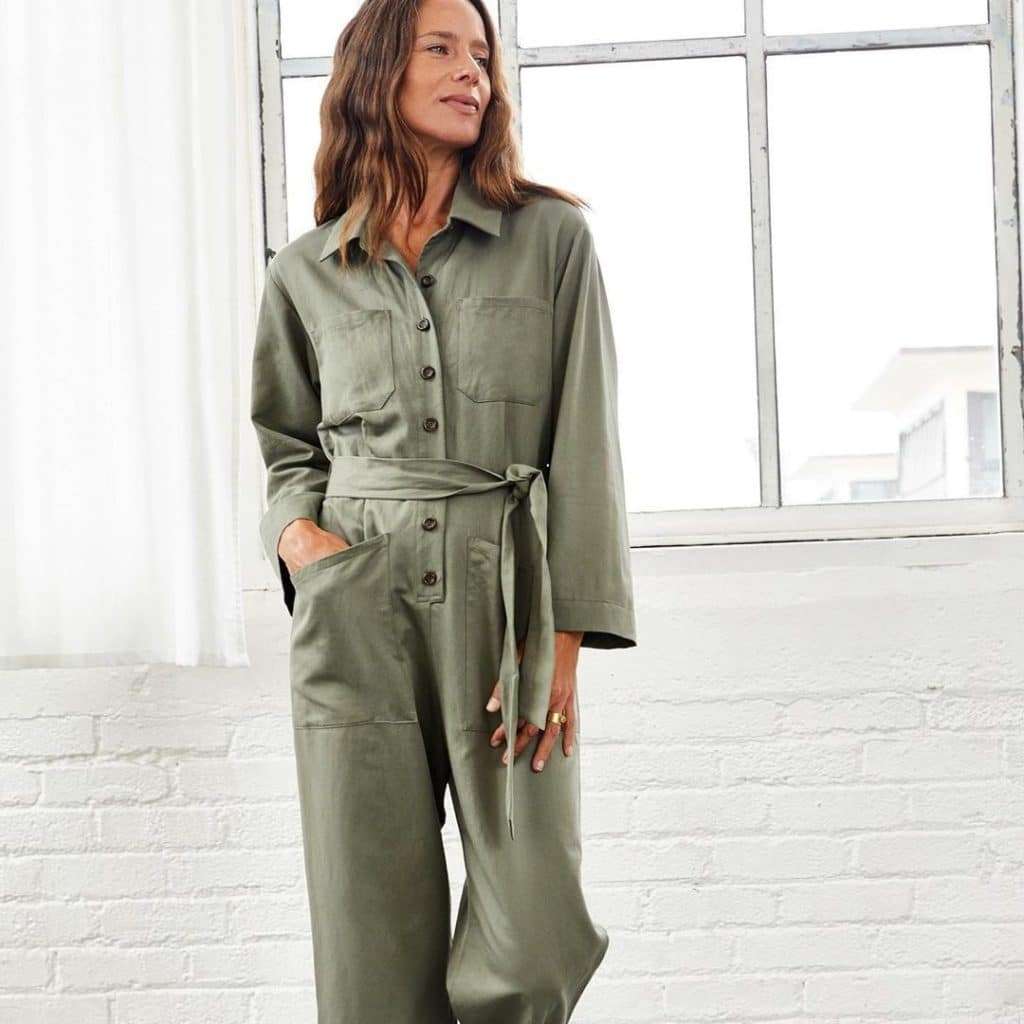
11. Amour Vert
A sustainable clothing brand that uses non-toxic dyes and eco-friendly materials.
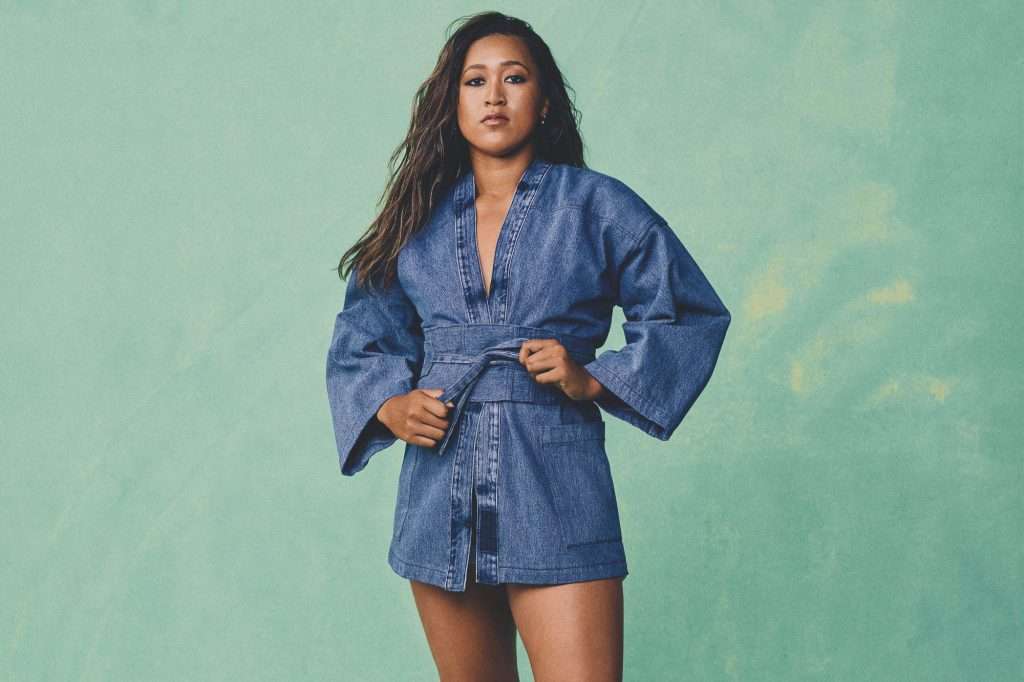
12. Levi’s
The leading American brand has made significant strides toward sustainability and ethical production in recent years.
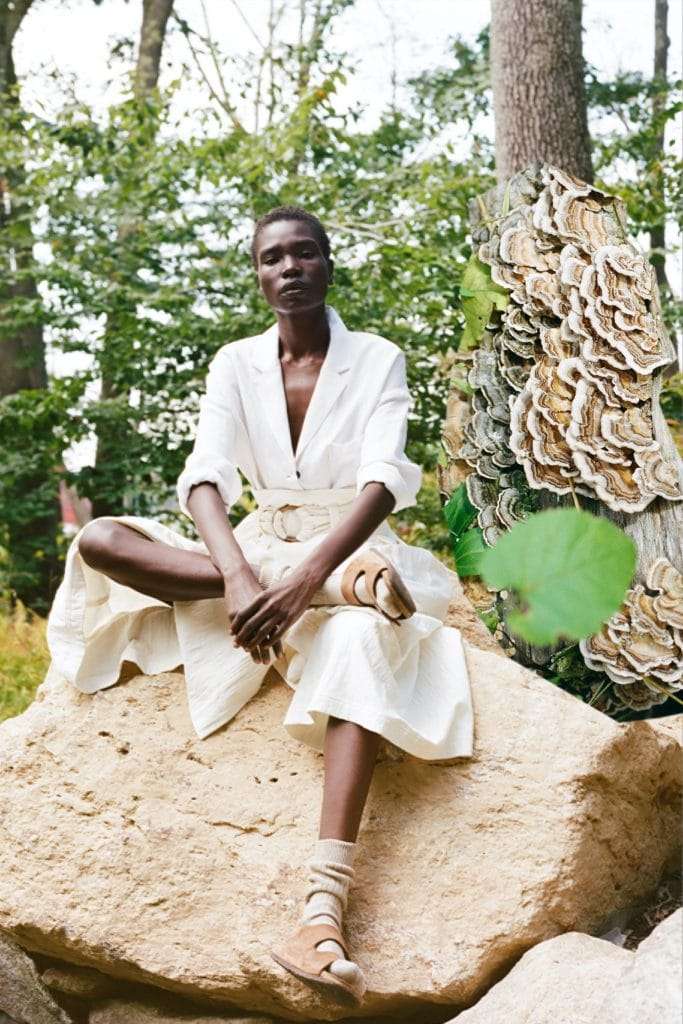
13. Mara Hoffman
A sustainable fashion brand that uses eco-friendly materials and ethical production practices.
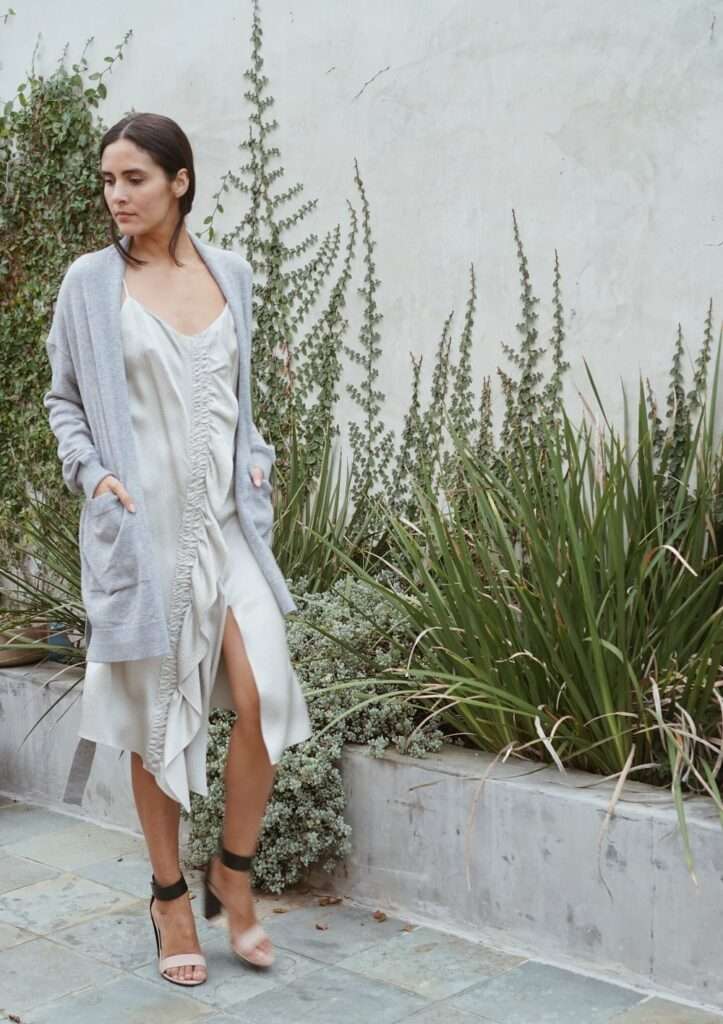
14. Maiyet
A luxury fashion brand that works with artisans around the world to create sustainable and ethical fashion.
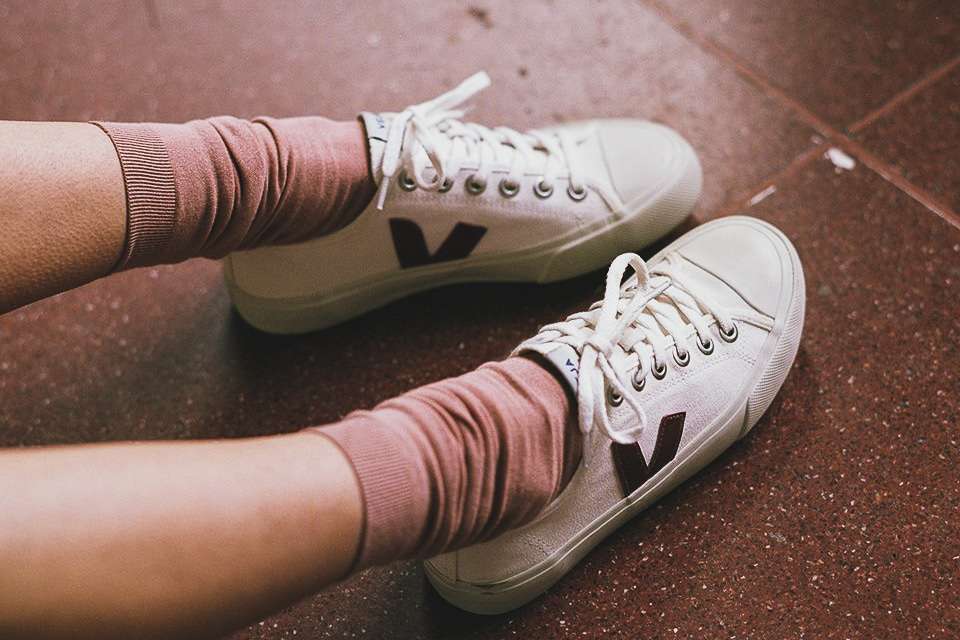
15. Veja
Popular sneaker brand that uses eco-friendly and fair trade materials to produce its shoes.
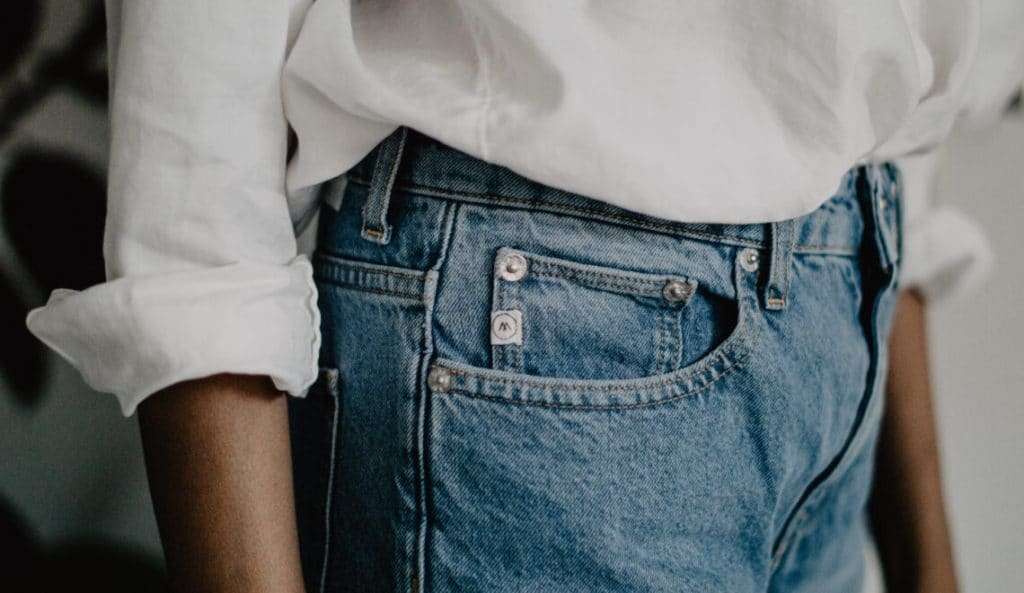
16. Mud Jeans
A denim brand that produces sustainable jeans made with recycled and organic materials.
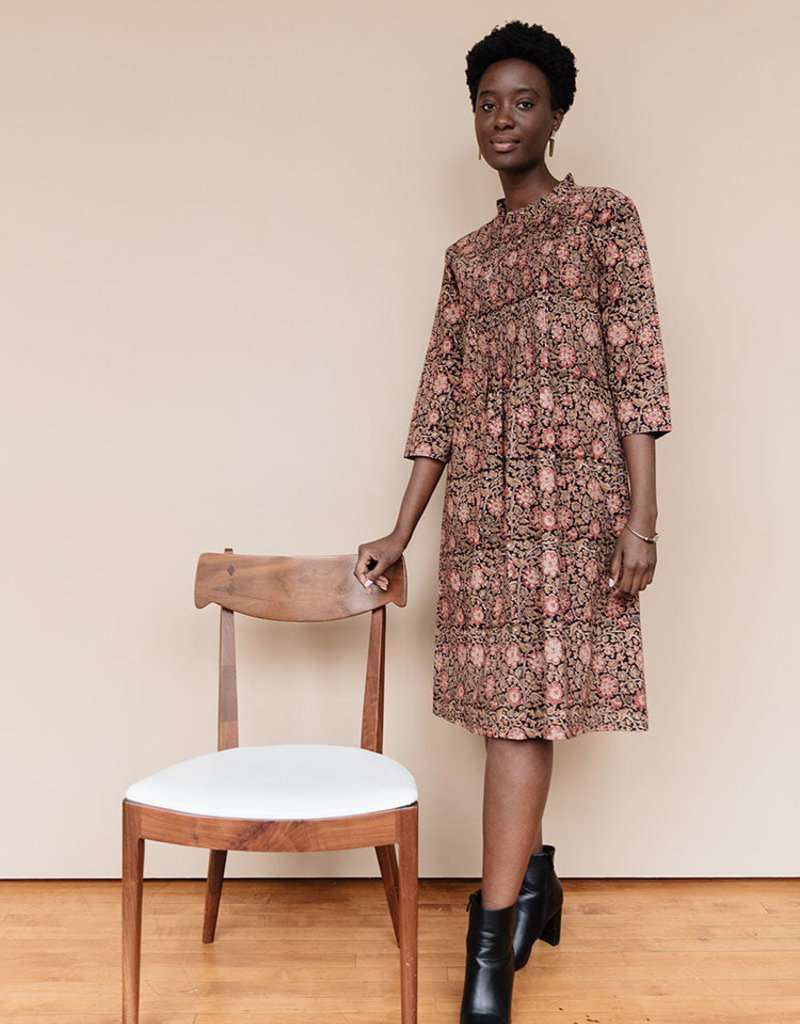
17. Mata Traders
Mata Traders produces fair trade clothing and accessories made by artisans in India and Nepal.
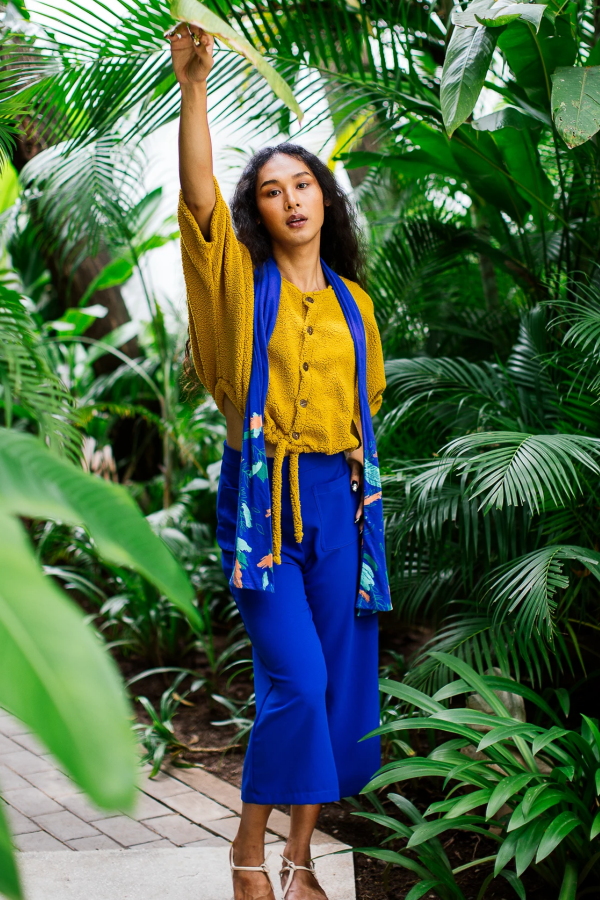
18. Tonlé
Tonlé produces zero-waste clothing made with reclaimed materials and ethical production practices.
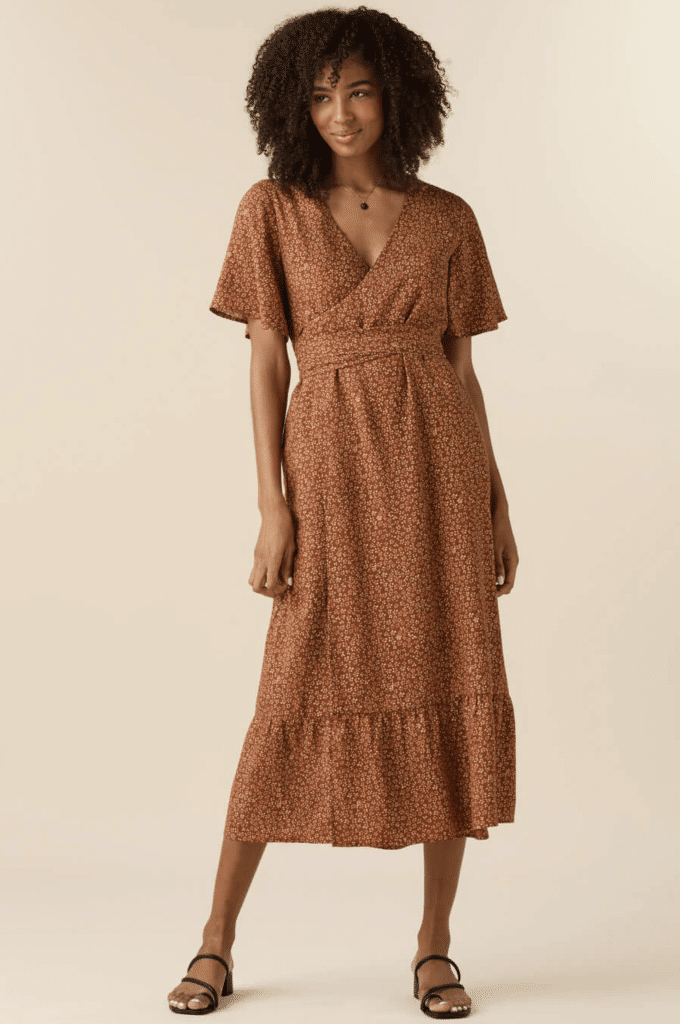
19. Vetta Capsule
A minimalist clothing line made with eco-friendly materials and ethical production practices.
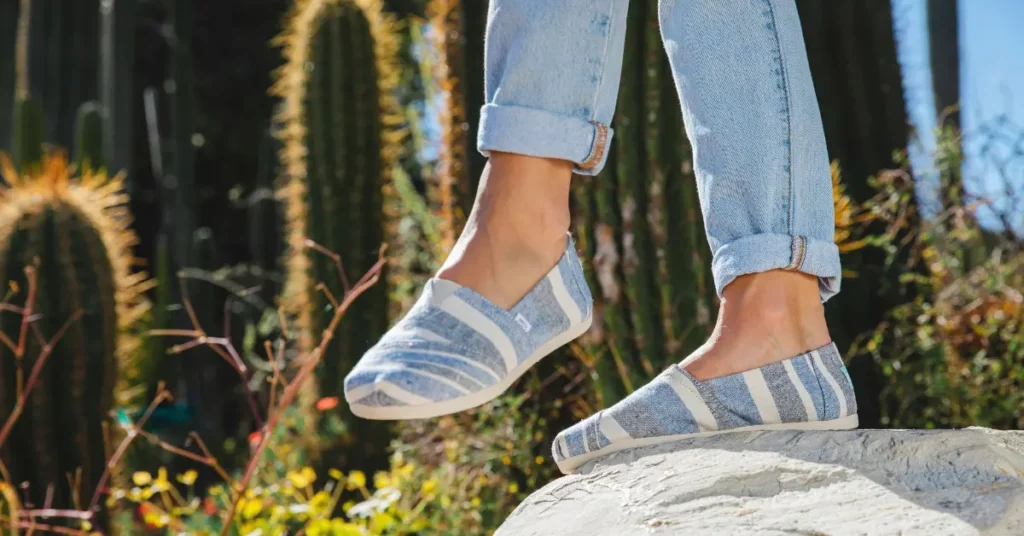
20. Toms
Popular U.S. shoe brand that uses sustainable and fair trade materials to produce its shoes, and also donates a portion of profits to social and environmental causes.
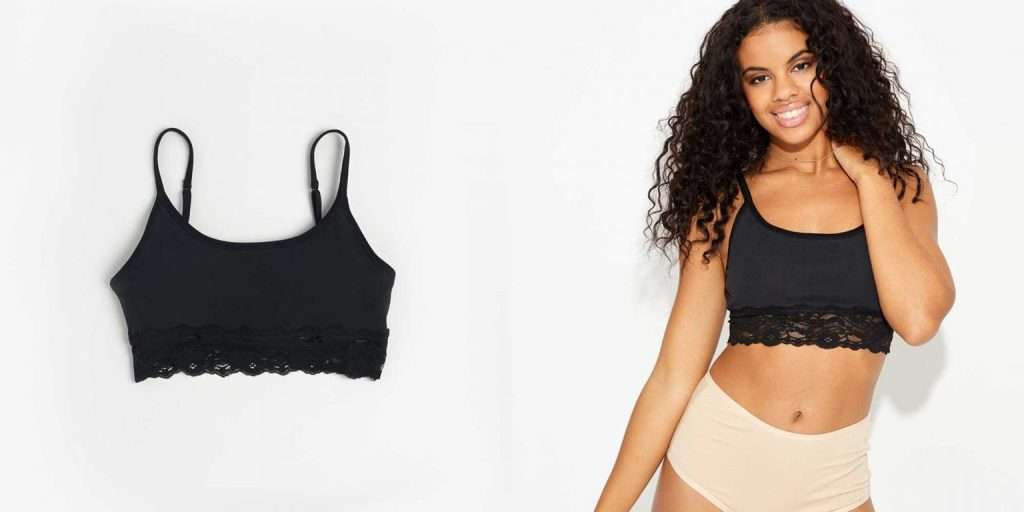
21. Pact
Pact produces fair-trade clothing in a range of categories from underwear to outerwear made with organic cotton and eco-friendly materials.

22. Anekdot
Lingerie brand that uses sustainable and unique pieces that are ethically made in their Berlin-based studio.
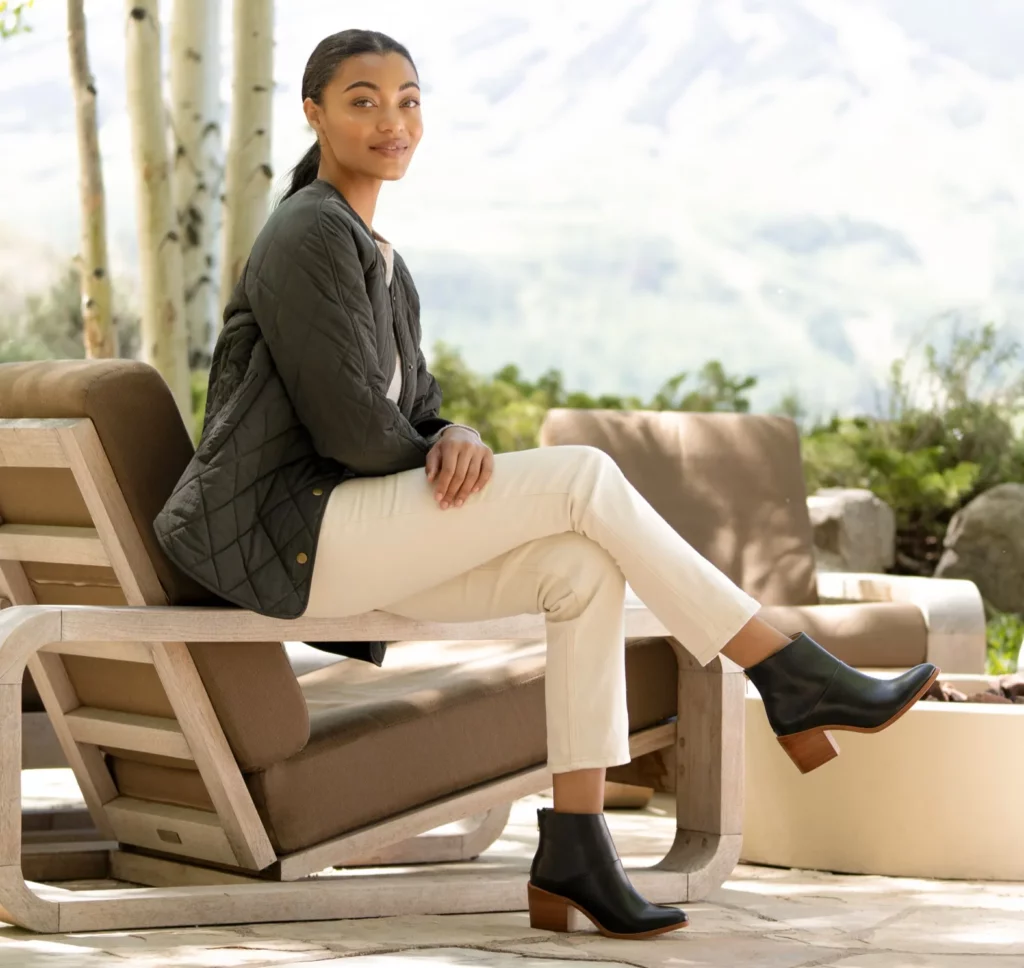
23. Nisolo
Footwear and accessories brand that prioritizes ethical production and fair wages for workers.
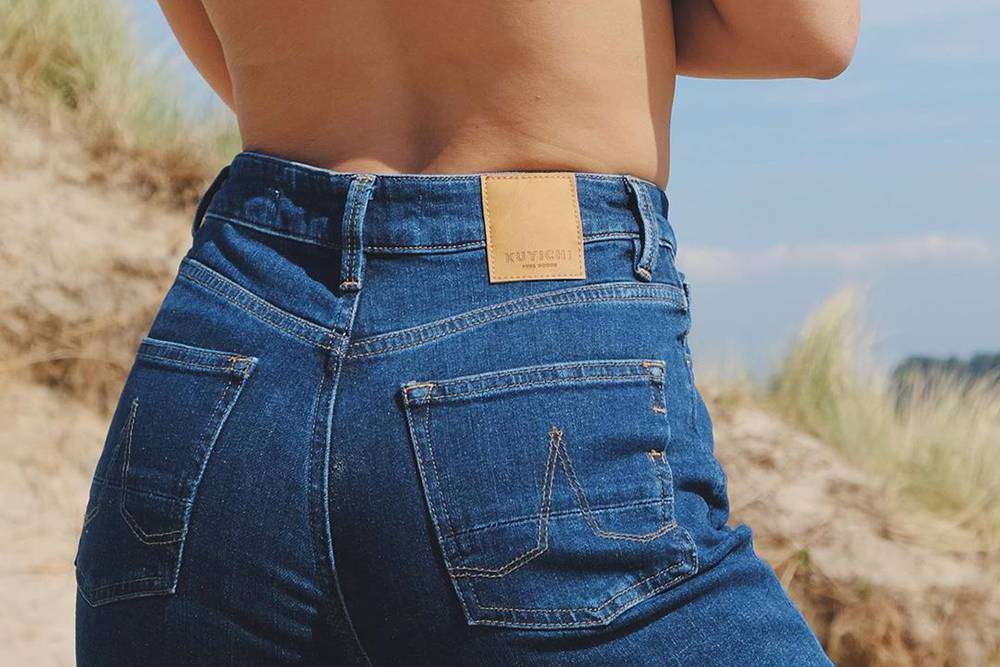
24. Kuyichi
Denim brand that uses sustainable and organic materials to produce their jeans. It also prioritizes fair wages and working conditions for its workers.
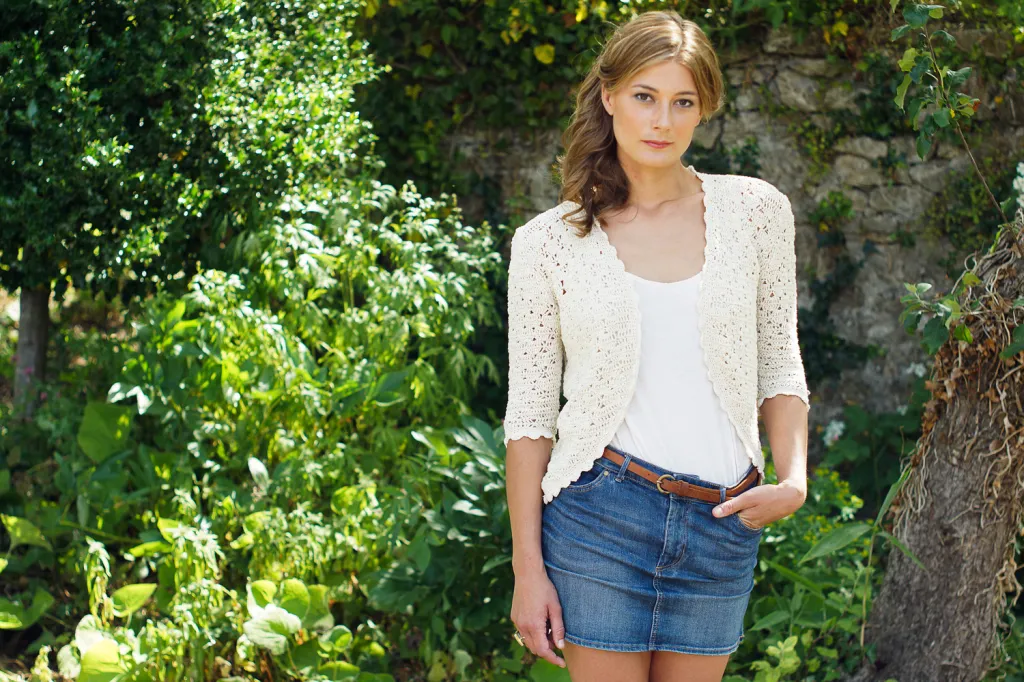
25. Bibico
Fair trade clothing made with natural and sustainable materials. It gives priority to ethical production and a minimal environmental footprint.
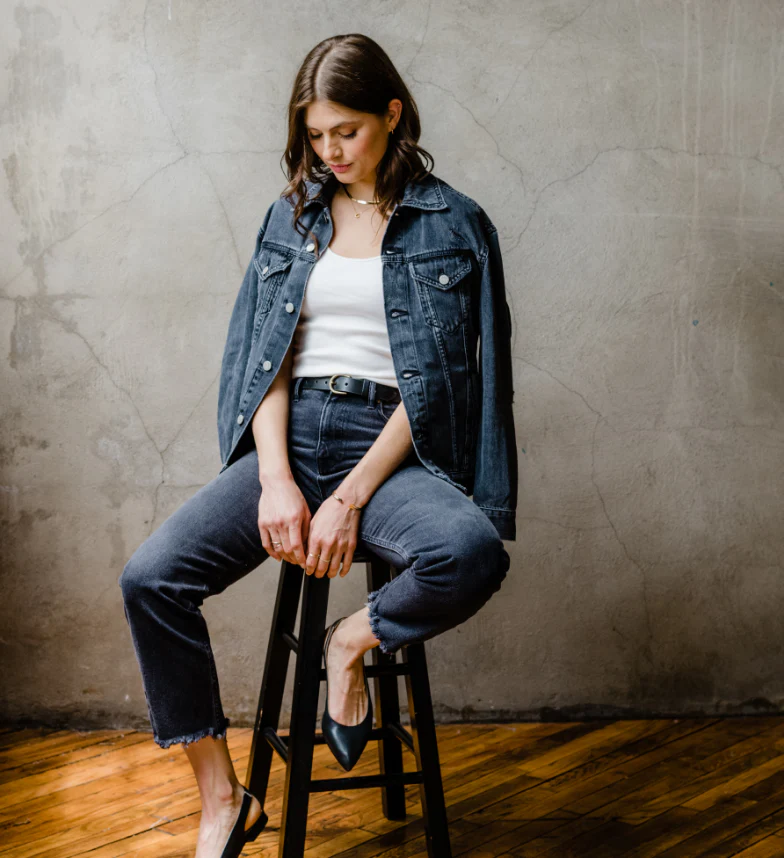
26. Able
A fashion brand that prioritizes ethical production and fair wages for workers. It also offers transparent pricing to ensure that workers receive a living wage.
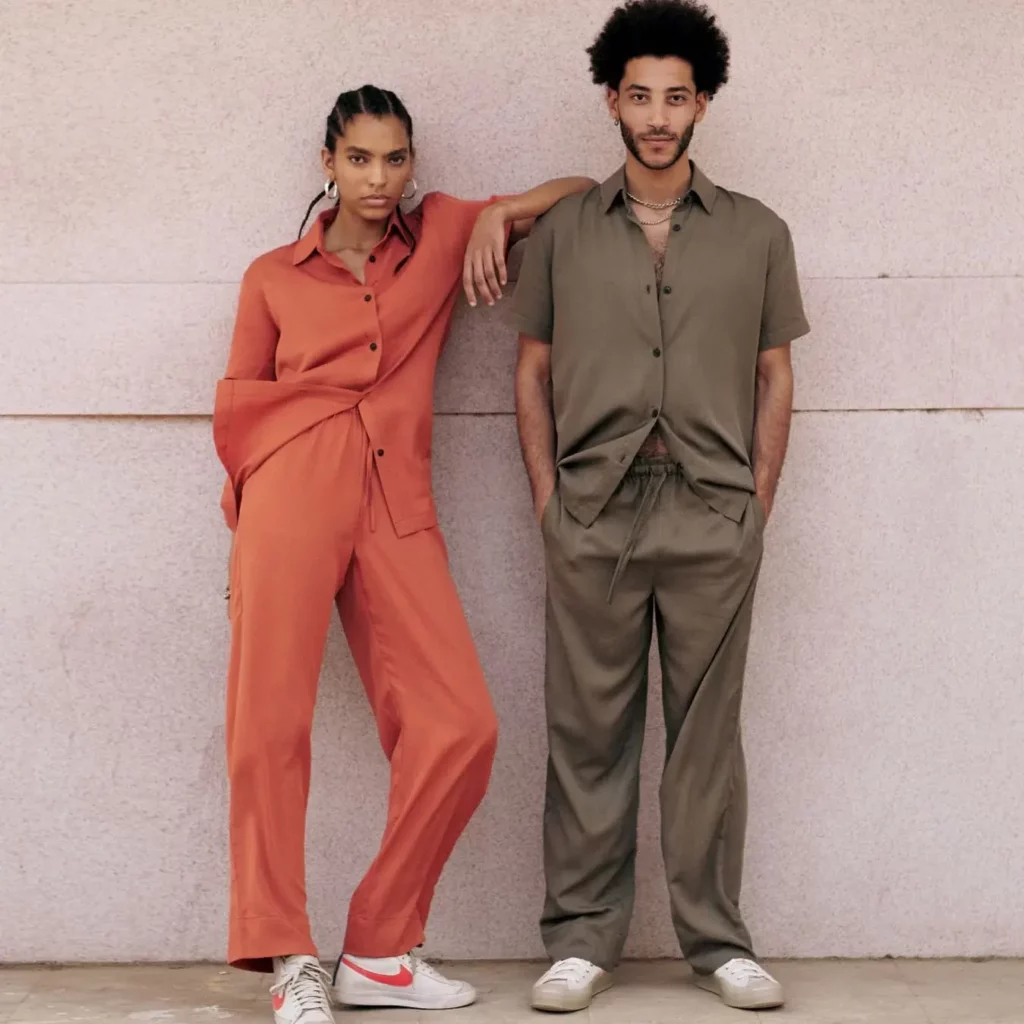
27. Kotn
Fair trade clothing made with sustainable and high-quality materials. It also prioritizes transparency and traceability throughout its supply chain.

28. Stella McCartney
Stella McCartney has been a member of the Ethical Trading Initiative since 2012 and is committed to sustainable and ethical production practices. It uses eco-friendly materials and prioritizes animal welfare in its designs.
Related on Ethos:
All products featured on Ethos have been independently selected by our editorial team.
When you buy something through our links, Ethos may earn an affiliate commission.
