

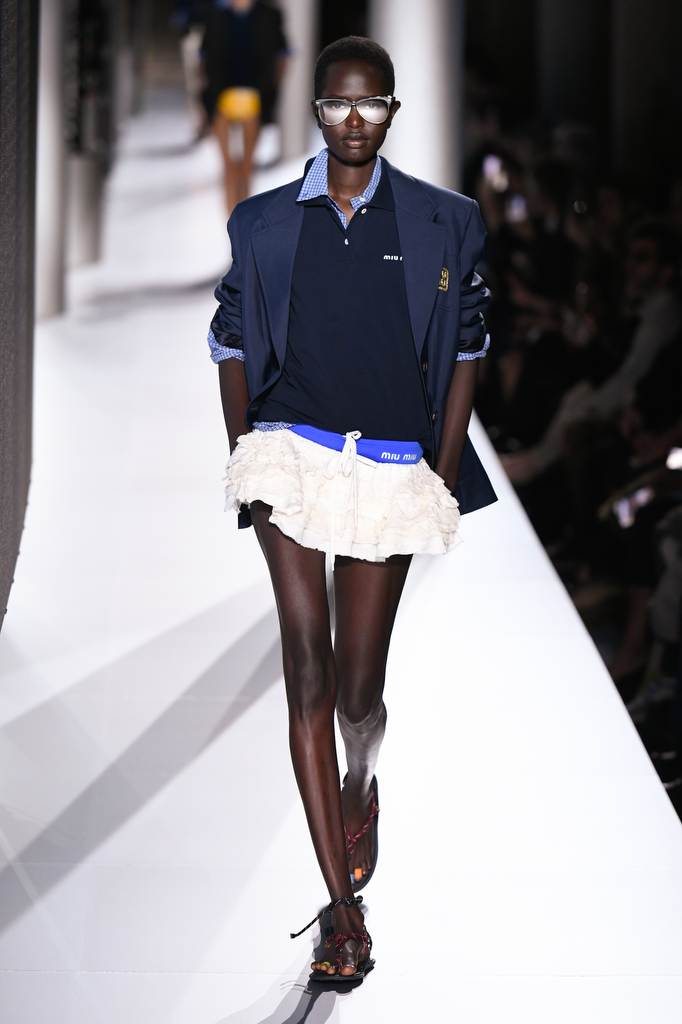
If you’re obsessed with Miu Miu — the popular luxury Prada offshoot — you’re not alone. It is everywhere these days. But just how sustainable is the label?
Earlier this year, Sydney Sweeney was praised for enjoying a sustainable style moment when she stepped out dressed head to toe in upcycled Miu Miu denim. The “Anyone But You” actor, an ambassador for the label, even wore an upcycled denim bra from the Italian label, which is owned by Prada. But how eco-friendly and ethical is the popular brand? Before you start searching the web for Miu Miu deals, read this first.
Miu Miu: the celebrity brand of the moment
Sweeney isn’t alone in her love of Miu Miu. It is Prada’s top-performing brand right now, helping drive the style giant’s sales up 17 percent in 2023, to a value of €4.7 billion (around $5.1 billion). Heck, Miu Miu is even outperforming Prada itself. This is largely to do with the popularity of its ballet flats and mini skirts with young Chinese consumers, according to Vogue Business — but it’s also a hit in the West.
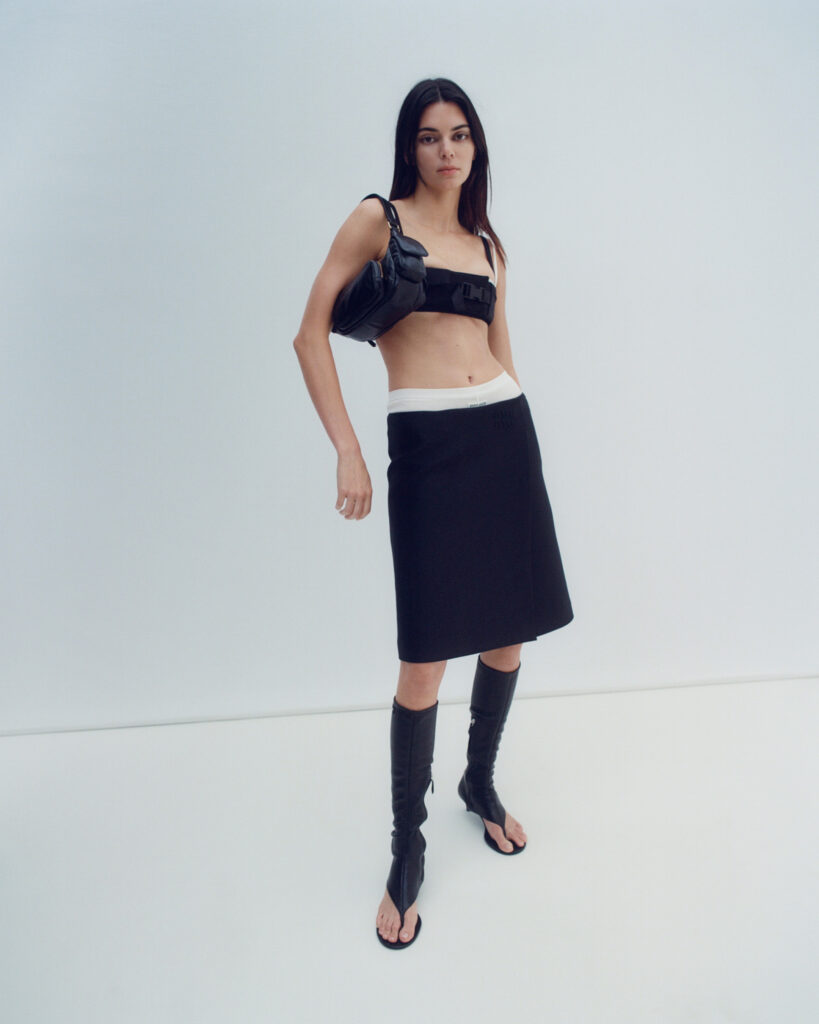
Remember actor and model Emma Corrin’s viral underwear as outerwear moment last year? Yep, that was Miu Miu. Kendall Jenner also modeled for the brand last year, and its Spring 2024 October show was a star-studded event, with Sweeney, Alix Earle, Adriana Lima, and Emma Chamberlain all in attendance.
So Miu Miu is the luxury fashion brand of the moment, that much seems clear. And it is committed, at least in part, to sustainable upcycled fashion. But alongside its parent company, Prada, it has also been plagued by a lack of transparency around the nitty-gritty details of its supply chain — details that are incredibly important when it comes to determining just how ethical and eco-friendly a brand really is.
Upcycled materials do not a sustainable brand make
Starting with the positives, Sweeney’s headline-grabbing outfit last year was from the brand’s fourth upcycled collection. According to the brand, the collections were “born from its passion for conscious fashion and circular design practice.”
Right now, you can find items like an upcycled denim headband on its site, as well as an upcycled denim trucker vest, and five-pocket denim jeans. Using old materials for new garments is an inherently sustainable practice — it reduces demand for new denim, which comes from an industry that is notorious for major environmental issues like chemical pollution and high water usage. Miu Miu doesn’t only upcycle denim, you can also find collections of its reworked vintage dresses in its boutiques around the world.

But outside of these special upcycled collections, many of Miu Miu’s go-to materials raise a few eyebrows when it comes to sustainability. It uses many animal-derived materials — it has an entire collection made out of leather, featuring mini skirts, embellished jackets, coats, and more. However, research suggests that leather is one of the worst materials that brands can use for the environment. It is a co-product (not a by-product, as many assume) of the beef industry, which is the world’s leading driver of deforestation and methane emissions. Every year, just one cow belches out around 220 pounds of methane.
While leather has long been seen as a staple material in luxury fashion, based on its monumental environmental impact, some brands are starting to reject it. In fact, in 2021, Nicolaj Reffstrup, the founder of the Danish luxury brand Ganni, said “selling leather products, although highly profitable, will soon be as outdated as smoking on TV.”
It’s important to note that the Prada Group as a whole is taking steps toward progress in terms of sustainability. It recently joined King Charles III’s Sustainable Markets Initiative’s Fashion Task Force, alongside brands like Burberry, Stella McCartney, and Gabriela Hearst. Founded in 2021, the Task Force aims to cultivate solutions to some of fashion’s biggest environmental problems. Right now, it is exploring “how regenerative farming practices, across raw materials, can reverse the damage being done to the planet,” for example.
Does Prada engage in forced labor?
Miu Miu’s parent company has been called out multiple times for a lack of transparency in its supply chain. Just recently, it was named alongside several other brands in a report from KnowTheChain and The Business and Human Rights Resource Centre, which focused on a lack of action on modern slavery in the luxury fashion space.

The center looked at 65 companies across the fashion industry and scored their efforts in 12 different categories out of 100. These categories included supply chain transparency, responsible recruitment, and management and accountability. While it improved on the previous year’s score, Prada scored just nine out of 100.
“The fashion industry has long since been in the media spotlight for its endemic human rights risks and labor abuse scandals,” Aine Clarke, head of KnowTheChain and investor strategy at BHRRC, said in a recent interview. “Despite this, most companies are not adapting to the scale and scope of these issues across global supply chains.”
There’s no question that Miu Miu will keep growing in popularity, the only question is, will its sustainability commitments and ethical labor practices grow too?
Related on Ethos:
