


Regenerative farming are two of the buzziest words in sustainable fashion, and the effort gets two big pushes this week: one from Olam Agri, and the other from a Citizens of Humanity collaboration with Advancing Eco Agriculture.
Olam Agri, a global leader in the agribusiness sector, has expanded its regenerative agriculture program across the U.S. Cotton Belt. The initiative was first started in 2020 to equip cotton farmers with essential tools, resources, and market access to mitigate climate risks and promote sustainable growth.
By implementing practices that increase soil fertility, encourage biodiversity, and efficiently manage water and energy use, the program seeks to provide traceably and sustainably grown cotton. This comprehensive approach includes full chain of custody certification, covering all stages from production to shipment, ensuring that all participating farms and ginning facilities are Regenagri certified. Olam Agri has also committed to rewarding farmers who adopt regenerative practices, fostering wider adoption of these sustainable methods.
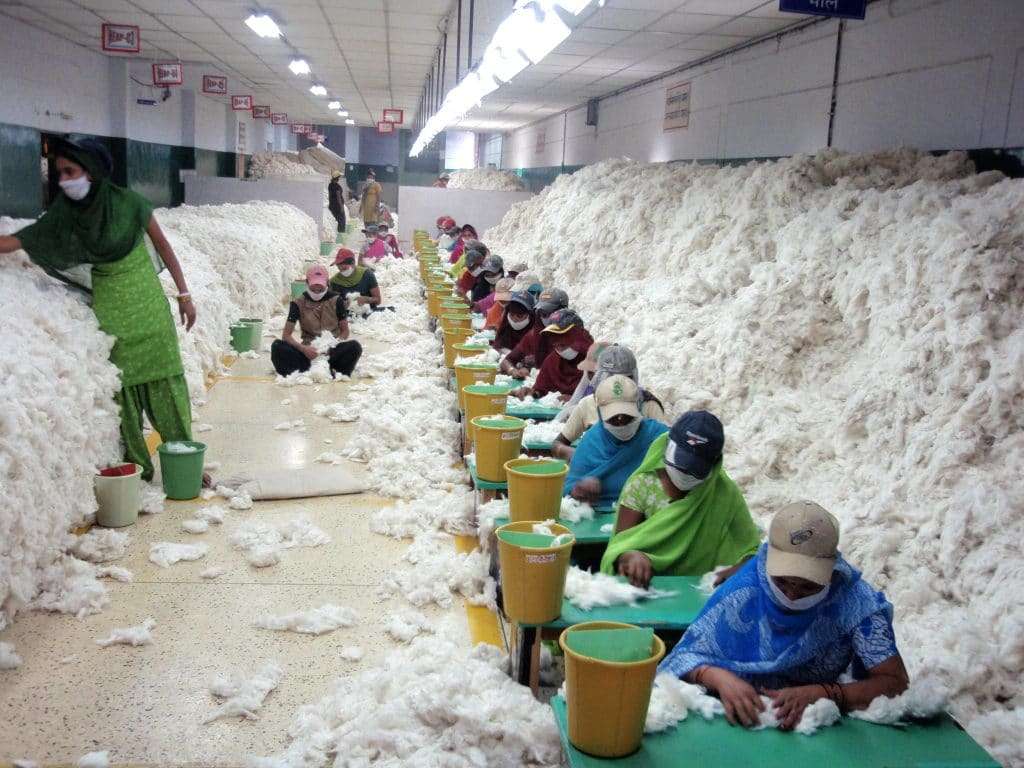
“It’s great to see Olam Agri’s serious commitment to promote regenerative agriculture, and we’re very pleased to support them in scaling up the implementation of the Regenagri program globally,” Franco Costantini, CEO of Regenagri, said in a statement. He highlighted the program’s success in tripling its growth over the last year, with more than 2.4 million acres of land worldwide now under the program.
In a parallel effort to revolutionize cotton farming, Advancing Eco Agriculture (AEA) and premium denim company Citizens of Humanity have partnered to introduce the Integrity Grown standard, a data-driven benchmark for regenerative cotton cultivation. This standard is set to redefine the industry by increasing yields, reducing chemical inputs and water usage, and improving soil health.

“Many growers today are caught up in contemporary agriculture’s cycle and myth that using more chemicals and water is required to increase yields,” John Kempf, Chief Vision Officer for AEA, said in a statement, emphasizing the importance of moving away from traditional, chemical-intensive farming methods. “There is another tested, proven way to effectively grow cotton using regenerative agriculture.”
The Integrity Grown standard is part of a broader regenerative cotton growing program initiated by AEA and Citizens of Humanity Group in 2022. The program aims to attract cotton growers to regenerative practices, with over three million pounds of regenerative cotton already sourced.
Amy Williams, CEO of Citizens of Humanity Group, says the new Integrity Grown standard creates a deeper level of transparency for consumers into the cotton growing practices of the regenerative farmers who supply the label. “We’ll now be able to more deeply understand the impact of our regenerative cotton supply, with the goal to improve one of the most chemical intensive and soil degrading systems of agriculture – growing cotton,” she said.
Related on Ethos:
