

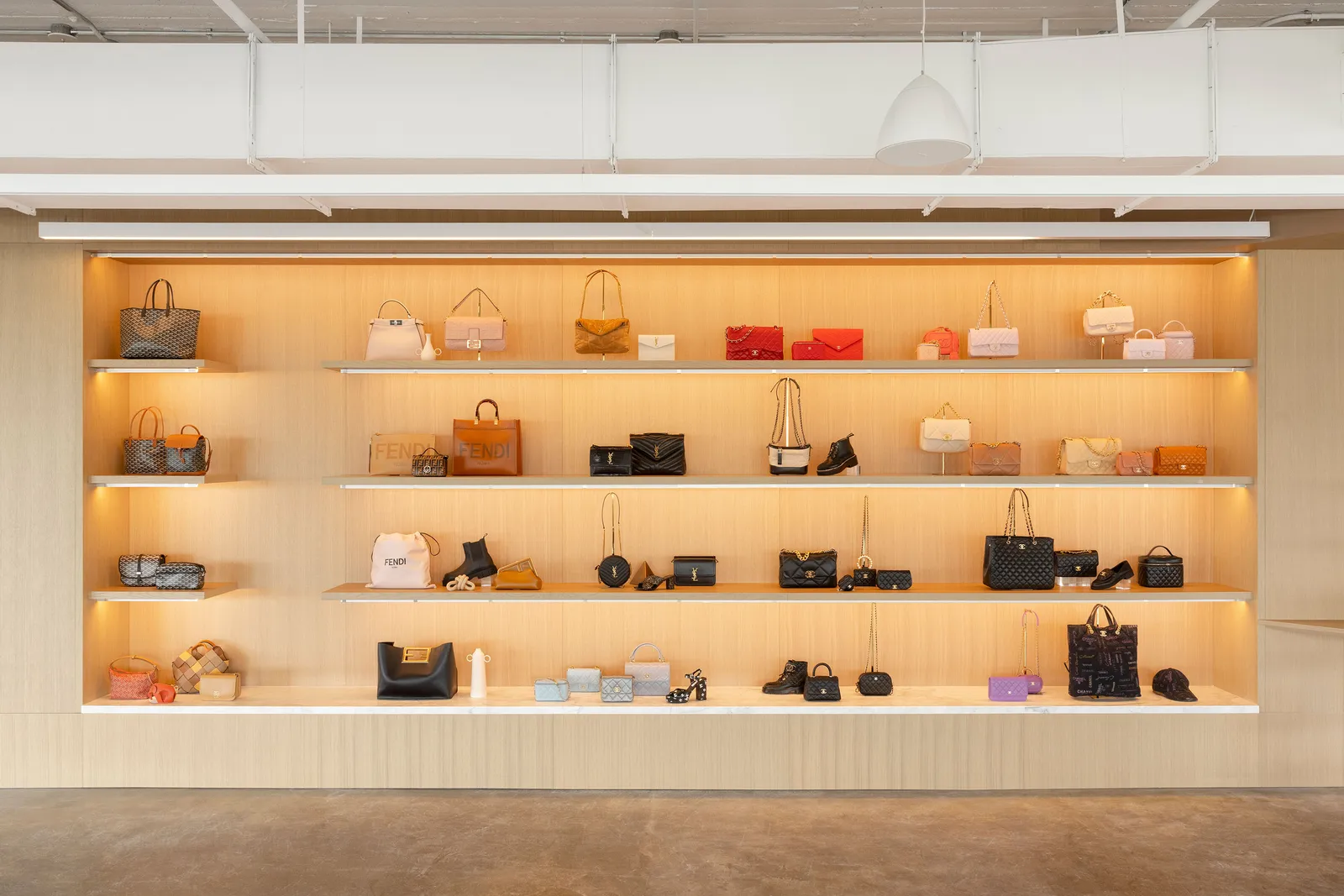
The rise of the luxury resale market has pushed the industry to nearly $50 billion in global sales, according to new data.
Demand for secondhand luxury items has been undeniable, especially since the onset of the pandemic, and recent figures further underscore this trend.
In 2023, the global sales of secondhand luxury items reached $49.3 billion, according to estimates by Bain & Company. This surge in the market has been fueled by online platforms like The RealReal, Vestiaire Collective, and Fashionphile which have broadened the accessibility of pre-owned designer items.
“The RealReal and Vestiaire Collective has made it easy for millions of people to sell their designer goods for cash,” reports The Wall Street Journal. According to its reporting, the resale market has now grown to represent 12 percent of the total market for new luxury products, doubling in size in just four years. It’s good news on several fronts, namely by reducing the production of new goods. It also makes luxury items more accessible to a larger percentage of consumers. This accessibility could help usher in a shift away from fast-fashion items that are poorly made and clogging up secondhand stores and landfills, and reduce the plastic pollution and emissions intrinsically tied to the industry.
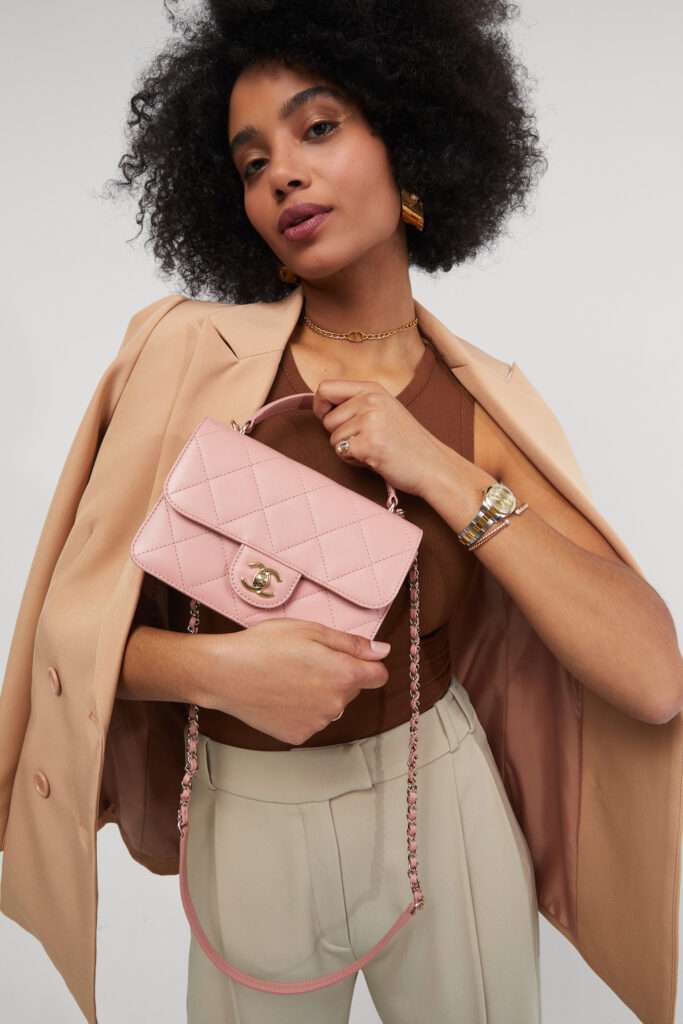
But according to the WSJ report, concerns have also arisen among some fashion brands regarding the potential sale of counterfeit items on these secondhand websites, due to inadequate authentication processes. Moreover, there’s a growing unease among these houses as consumers increasingly discern which designer items retain their value and which do not.
Sasha Skoda, the senior director of merchandising at The RealReal, told WSJ. “I think brands are watching their resale value very closely. They are curious to figure out how they can get more data around it.”
Certain luxury items, like Hermès handbags, not only maintain their value but can also command a higher price in the resale market. Pre-owned Hermès bags are selling at a 25 percent premium compared to new ones. Likewise, pre-owned Rolex and Patek Philippe watches are fetching premiums of 20 and 39 percent over new.
However, not all brands fare well on the resale market. Over the past year, the resale value of products from Gucci, Balenciaga, and Bottega Veneta has decreased by as much as 23 percent. Louis Vuitton handbags lose about 40 percent of their value when resold, and Christian Dior bags nearly halve in value.

To combat this, some luxury brands are engaging directly with resale websites. Burberry has partnered with Vestiaire Collective, and Gucci with The RealReal. Others, like Rolex, have initiated their own certified pre-owned programs, offering verified pre-owned items directly to consumers. In a less consumer-facing secondary marketing, LVMH and Valentino are two examples of luxury labels that have spearheaded deadstock programs, selling off their surplus materials and fabrics to smaller labels and designers in an effort to reduce textile waste.
Despite the surging market demand for secondhand items, new items still reign supreme. The Wall Street Journal reports that over the last four years, consumers spent more than $1.3 trillion on new luxury handbags, clothes, watches and jewelry. And, while in the past, “unworn luxury goods would gather dust at the back of consumers’ wardrobes,” WSJ notes nowadays at least some of that stuff “will find its way onto secondhand websites.”
Related on Ethos:
