


Nearly 20 percent of holiday gifts will come from secondhand channels this holiday season, according to a recent Salesforce forecast.
Santa is still coming down the chimney, but this year, he’s bringing what could be gifts he brought down other chimneys in previous years, according to Salesforce. The software company is predicting that 17 percent of gifts will be purchased through resale channels. This change is driven by the increasing popularity of secondhand shopping among Gen Z and young millennials.
Platforms such as The RealReal, Depop, Poshmark, and others have become the go-to destinations for these younger consumers. Even Goodwill, a long-standing leader in the thrift market, has also made its foray into the digital world with the launch of GoodwillFinds in 2022.
Matthew Kaness, CEO of GoodwillFinds, shares that since its inception, the online platform has attracted a significant portion of young shoppers, with 60 percent of its customer base composed of Gen Z and millennials. GoodwillFinds offers a wide range of items, including clothing, electronics, toys, and collectibles, appealing to a diverse consumer base.
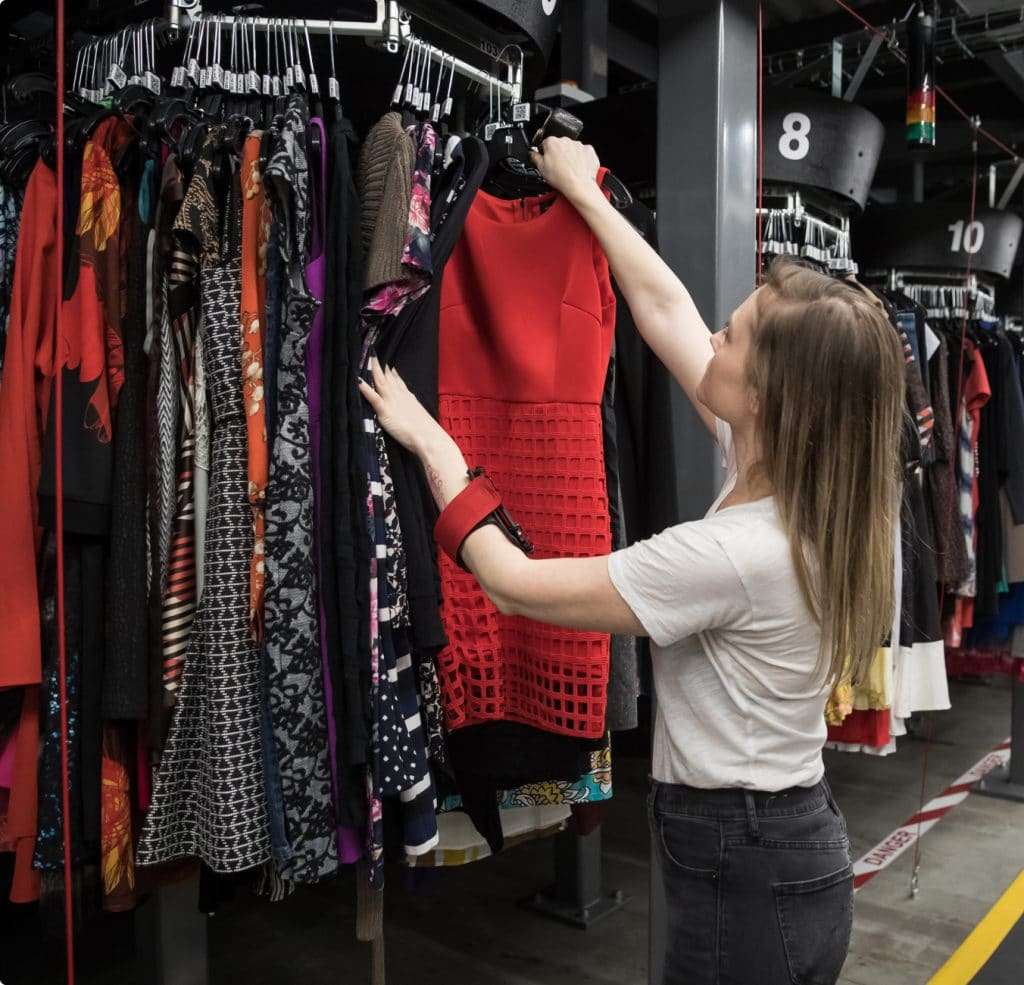
Rob Garf, Salesforce’s General Manager of Retail, highlights the environmental benefits of this trend. According to Salesforce, the resale market could divert 32 billion pounds of waste from landfills this holiday season alone. Goodwill itself contributes significantly to this effort, preventing approximately four billion pounds of waste from entering landfills each year.
For Goodwill’s online store, apparel does not constitute the majority of sales, either. “What we list online today is less than 1 percent of donations; it doesn’t impact the store experience at all,” Kaness says.
GoodwillFinds caters to three distinct customer groups: trend-focused shoppers, budget-conscious consumers, and those who aspire to share their secondhand purchases. While the in-store experience remains unchanged for budget-conscious shoppers, the online platform adopts a fixed-price marketplace strategy, potentially affecting resellers.
This strategy, which aligns with Goodwill’s mission to support local communities, has met with some resistance from resellers. Kaness comments on this, saying, “The resellers [are] upset, because we’re taking their margin. They want to come in and get that vintage pair of Levi’s so they can flip it. What we’re doing is we’re saying, ‘No, we’re going to keep the margin for mission, not for your business.’”

Despite this, resellers still constitute a valuable customer segment for GoodwillFinds, representing 5 percent of its customer base but accounting for 40 percent of overall sales. The platform also offers luxury authentication services, similar to those found on eBay’s Authenticity Guarantee program.
Looking to the future, GoodwillFinds may explore partnerships with major retailers to optimize reverse logistics. Such collaborations could provide an avenue for brands to recover profits on returned items.
The trend toward secondhand shopping is set to grow, with ThredUp projecting that by 2024, secondhand clothing will comprise 10 percent of the apparel market. This sector is expected to grow three times faster than the overall global apparel market in the next three years.
Kaness emphasizes the importance of consumer behavior in driving industry change. “Consumers will lead the revolution where they’re thinking [of] secondhand first, which then the demand for new goods drops,” he said. “That’s the only way the industry is going to stop overproducing goods.”
Related on Ethos:
