
Thursday, January 15, 2026

Can Clean Beauty Be Defined?

Share

What exactly is ‘clean’ beauty? Is it always natural? Sustainable? Or ethical? And is it really clean?

The beauty industry has a dirty little secret. From toxic ingredients to packaging waste, some cosmetics brands are anything but pretty. But as conscious consumerism grows in popularity — with consumers becoming more aware of how their purchasing habits impact the planet — companies have begun churning out beauty products featuring trendy words like “natural,” “organic,” and “green.” Clean beauty is another term that’s been cropping up on the labels of lipsticks, foundations, and the like. But what exactly does the term mean?

“Regardless of the sector within the beauty space, there are a few prevailing consumer attitudes,” Angie Rimel, marketing communications manager of Gelita told Happi. “Consumers have become less accepting of unrealistic beauty standards often portrayed in the media. Instead, they are seeking more realistic experiences that represent their individual definitions of beauty.”

While it’s difficult to pinpoint what exactly can and can’t be in clean beauty products as consumers will have different interpretations, the term largely refers to cosmetics and personal care products that are formulated without the use of toxic or potentially harmful ingredients like parabens and phthalates or synthetic fragrances. But, similar to other buzzwords like “natural” and “green,” “clean” beauty has no legal definition.
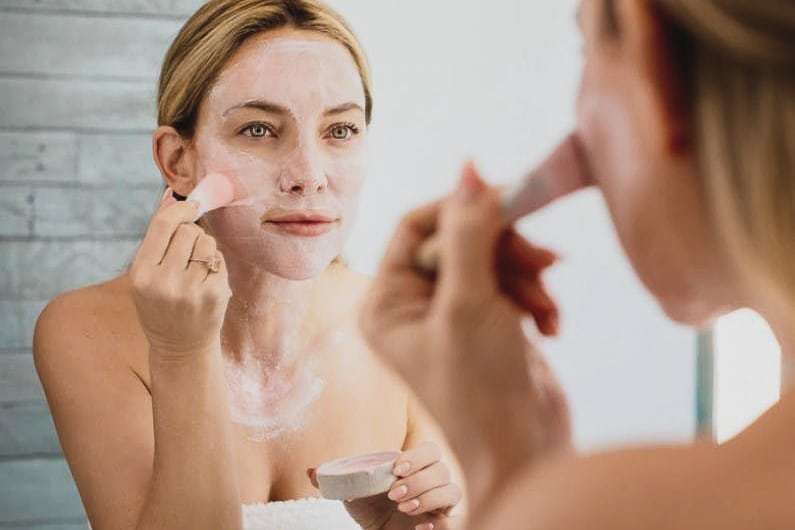
clean beauty products
Kate Hudson for Juice Beauty | Courtesy

But things are changing. In 2020, California became the first state in the nation to enforce clean beauty regulations with the passage of a ban on toxic chemicals in cosmetics. The law, which will go into effect this year, prohibits 24 toxic chemicals “which are linked to negative long-term health impacts especially for women and children.” Many chemicals found in beauty products, such as parabens and fragrance ingredients, have been linked to health issues including birth defects and cancer. According to the Environmental Working Group, more than 10,000 chemicals are used to formulate cosmetics products. The FDA has only banned or restricted 11 of these chemicals.

Clean beauty has evolved significantly, expanding beyond the simple avoidance of toxic ingredients. Today, it encompasses a broader set of values, including transparency, ethical sourcing, and environmental sustainability. The movement challenges traditional beauty norms, pushing brands to innovate with formulations free from synthetic fragrances, benzene, and parabens. Transparency has become a cornerstone of this shift, with consumers scrutinizing labels and holding brands accountable for their claims.

Consumers today are drawn to formulations that demonstrate proven benefits, such as reducing wrinkles, improving nail health, or minimizing the appearance of cellulite. This demand for evidence-based beauty has placed scientifically validated ingredients at the forefront of the market.

The focus on research-backed beauty highlights a fundamental shift in consumer expectations. Shoppers no longer accept vague claims; they seek validation through peer-reviewed studies and transparent brand practices. This demand drives innovation, with companies investing in ingredients that deliver measurable benefits while meeting clean beauty standards.

“With the exception of color additives, cosmetics and their ingredients are not subject to premarket approval requirements or [Food and Drug Administration] safety review,” Susan Mayne, director of the FDA’s Center for Food Safety and Applied Nutrition, said during a 2019 hearing. “Therefore, we don’t know whether cosmetic ingredients have gone through adequate, if any, safety testing.”

What makes a beauty brand clean?

As the global clean beauty market accelerates — projected to reach $11.6 billion by 2027 with an annual growth rate exceeding twelve percent — consumer demand for transparency has never been higher. Across product categories, shoppers increasingly seek items free from controversial ingredients like parabens, phthalates, and sodium lauryl sulfate. This shift underscores a collective desire for safer formulations paired with sustainable practices, driving a surge in interest around certifications and evidence-based beauty solutions.

Clean beauty is expanding beyond the simple avoidance of toxic ingredients. Today, it encompasses a broader set of values, including transparency, ethical sourcing, and environmental sustainability. The movement challenges traditional beauty norms, pushing brands to innovate with formulations free from synthetic fragrances, benzene, and parabens. Transparency has become a cornerstone of this shift, with consumers scrutinizing labels and holding brands accountable for their claims.

This evolving definition of clean beauty also includes a growing recognition of the importance of internal wellness. Scientifically backed supplements from Nutrition Geeks deliver key nutrients that promote healthy hair, glowing skin, and strong nails, aligning with consumer demand for beauty solutions that are both effective and ethically developed.

Social media and online communities have amplified awareness, sparking conversations about the potential side effects of conventional beauty products. This heightened visibility has led many shoppers to seek out botanical and natural alternatives, which are often perceived as safer and cleaner. However, the appeal of clean beauty is not solely rooted in naturalness; consumers are also demanding scientific substantiation, prioritizing products that blend efficacy with ethical practices.

Sisley-Paris models.
Photo courtesy Sisley-Paris

The intersection of clean beauty and luxury has also ushered in a new era of premiumization. Today’s high-end beauty products distinguish themselves through superior formulations, innovative ingredients, and a commitment to sustainability. The rise of premium clean beauty reflects a desire for products that combine efficacy with ethical integrity.

Brands are navigating the challenge of balancing performance and accessibility. For example, affordable luxury lines are emerging, offering salon-quality results while adhering to clean beauty principles. These products aim to prove that sustainability and effectiveness are not mutually exclusive but can coexist within an accessible price range. As the market continues to evolve, the future of beauty lies in its ability to merge science, sustainability, and self-expression into a cohesive vision.

“We believe that ‘clean beauty’ means setting a rigorous standard when it comes to the safety of our ingredients and formulations,” Gucci Westman, makeup artist, cosmetic designer, and founder of the cosmetics line Westman Atelier, told Vogue. “For us, clean is about a mindset. What we focus on is creating skin care that happens to do your makeup. It’s about the highest level of performance, craftsmanship, and the luxury of knowing that you can feel good about what you’re putting on your body.”

Things to look out for when choosing clean beauty brands

These days, it seems like nearly all brands are claiming to be clean in one way or another, but it can take a bit of detective work to figure out if they actually are. Look for certifications like USDA Organic, Ecocert, and COSMOS, as well as Certified Vegan and The Vegan Trademark. And if you want to go palm oil free too, look out for Certified Palm Oil Free and RSPO labels. Shopping on sites like Credo and Sephora can also help narrow down the cleanest products.

Clean makeup brands

  • Jones Road
  • Westman Atelier
  • Saie
  • Ilia
  • RMS Beauty
  • Sisley
  • Milk
  • Kjaer-Weis

Read the full list here.

Clean skincare brands

  • Kypris
  • Bioassance
  • Caudalie
  • Sunday Riley
  • Aesop
  • Kora Organics
  • Youth to the People
  • Herbivore

Read the full list here.

Related on Ethos:

Related

Plumper Skin and Stronger Collagen, Naturally? It’s Possible.

For a skin-nourishing savior, check out these vegan collagen powders and pills made without animal ingredients.

The Best Clean Mascaras for Long Lashes Without the Microplastic

Most mascaras pollute oceans with microplastics; 90 percent of options still contain them. But, increasingly, clean, refillable alternatives are reshaping the category.

Seeking Smoother, Younger-Looking Skin? The Top Anti-Wrinkle Procedures Experts Swear By

As wrinkle-smoothing treatments become routine, attention is shifting toward safety, regulation, and trust. From Botox to lasers, the modern aesthetic landscape looks increasingly medical, not cosmetic.

The French Beauty Brands Defining Paris’s Clean Beauty Boutiques

Get your glow the French way with these sustainable, organic, and non-toxic clean French beauty brands. Plus: where to shop them when in Paris.

Here’s a New Year’s Resolution: ‘Clean’ or Not, Skip These Redundant Skincare Products

What you don’t actually need on your vanity right now is a whole bunch of redundant skincare products — "clean" or not.