

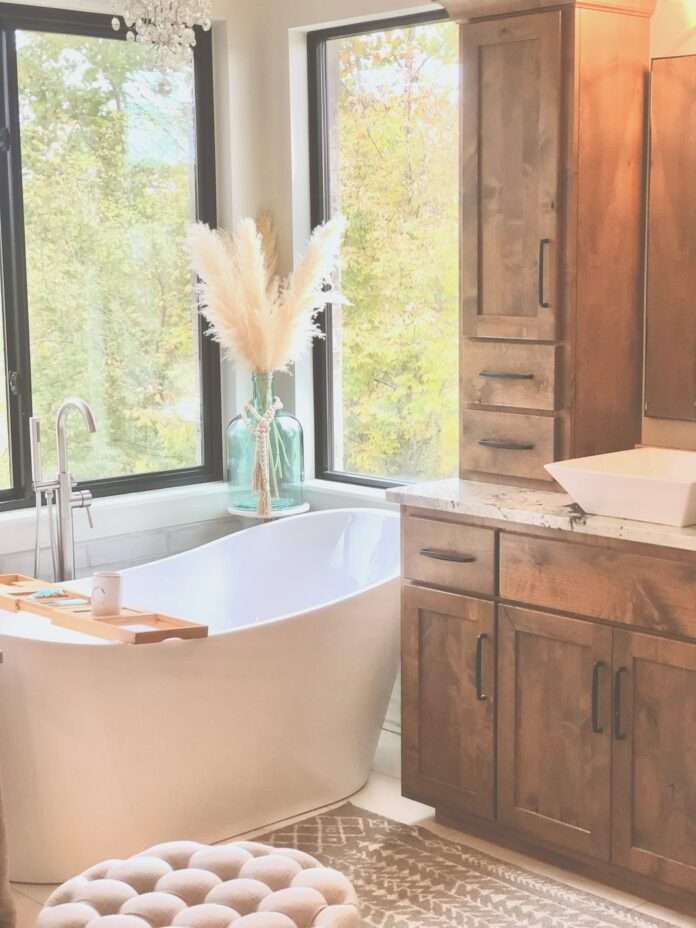
We often look to the kitchen and our wardrobes as the first and most important places where we can start to be more sustainable. There is one room that we use countless times a day that can be more sustainable: the bathroom.
For those who are just moving into being more eco-friendly, the bathroom doesn’t usually set off alarm bells. However, there are many ways that we can change our bathrooms to be better for the planet and our own personal health.
Whether bigger projects like making your bathroom more energy and water-efficient via a remodel to smaller things like switching up your toothpaste to tabs or moving to reusable makeup pads — all of these choices have a net positive impact. And, eventually, you will come up with a solution that meets your sustainability goals.
How to make your bathroom more eco
The bathroom is typically the smallest room in the house but it can contain more items than other rooms in your home. From all of the bottles of skincare and body care products to the towels and toilet paper. Fortunately, there are easy ways to switch it up for your health and the planet.
1. Stop using plastic
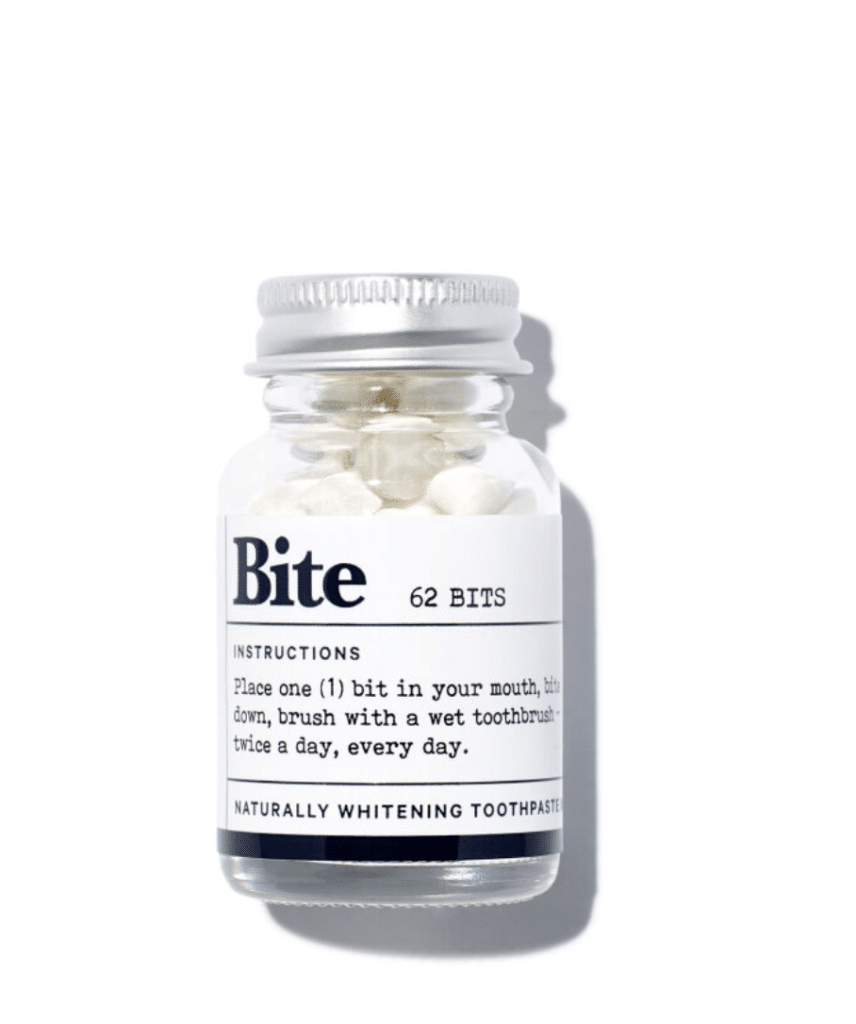
One of the biggest points of waste in the bathroom is plastic. Toothbrushes only last up to 3 months and then need to be replaced; small plastic toothpicks and even the tubes aren’t biodegradable and contribute to the global plastic waste issue. There are options to help replace all of these items. Using a biodegradable toothbrush, switching to toothpaste tablets, and investing in a reusable or biodegradable set of toothpicks also helps.
If toothpaste tabs aren’t your thing, look for organic certified toothpaste in biodegradable/recyclable tubs.
The amount of plastic bottles we use in terms of body wash, shampoo, and conditioner (not to mention the extras like body creams) is plenty. Not only do they take up a lot of space in your bedroom, but they really stack up, too. In the last few years, the solid options have been getting better in terms of quality, and it is now possible to have everything you need in solid form. Save plastic, and ultimately you use less too!
2. DIY
For those who have a coffee machine that grinds the beans, you can reuse your coffee grinds as a body scrub by mixing them in with some oil of your choice. And if smelling like coffee isn’t your idea of a good day — you can use them on plants to help fend off pests.
(As a side note, many solid shampoos and other products don’t have artificial additives like silicone, and the first use can leave you without that silk post-wash feeling. But it is actually a good thing! Try a few different options until you find the one that works for you.)
3. Switch to eco cleaning products
We tend to use a lot of harsh chemicals to get rid of smells and give bathrooms a good clean. However, a lot of the chemicals in cheaper or standard bathroom cleaners are very harsh for your health and the planet. Not only do they hang around in the bathroom being breathed in and touched, but they ultimately end up in our water system.
Or almost every cleaning issue in the bathroom, vinegar and baking soda will work perfectly. There are also a few options for gentle organic cleaning in the bathroom; check out: Cleancult, Mrs. Meyers, and Method.
Most of the time, we only need a single cleaner for the bathroom and kitchen, so you don’t need to buy as much. They are marketed as one or the other, but they have the same ingredients, just different synthetic scents.
4. Switch to natural deodorant
While sprays are convenient and only take a few seconds to apply, they aren’t great for the environment and you don’t want to be breathing them in, either. Roll-ons are an alternative, but eventually, you’re left with even more plastic.
Many people are now choosing to purchase a reusable container, typically metal, and buy inserts. Natural deodorant ingredients tend to be baking soda, shea butter, arrowroot powder, vitamin E, and coconut oil. These ingredients are more nourishing and help to keep you dry throughout the day. Some brands will have natural essential oils in them too.
There are also several options that can be used as a deodorant, including witch hazel and apple cider vinegar. You can also make your own from home if you don’t want to buy anything new.
5. Embrace reusables
For those who wear makeup or have periods, there are a lot of options for reusable items that can help reduce waste. Reusable cloth pads are great for skincare and makeup removal. Usually coming in a handy bag so they don’t get lost in the washing machine, or if you want to soak them in water and give them a good scrunch.
Reusable period pads, period underwear, and period cups are a great alternative to using tampons and standard pads too. They reduce your general waste and can be kept for years with good care.
There are also organic options when it comes to period care, so you can find something that fits with your goals and your body.
6. Water waste management
If you have your bathroom remodeled or renovated you’re a lot less likely to have leaks. But leaks are one of the first things to check for. After that to reduce water use, start using a timer for showers, limit bath usage or cut it out completely, and consider putting a block or water bottle in the tank of the toilet.
Some people also employ a flushing rule, but that depends on how many people are in your home and if it is possible to only flush solid waste.
7. Switch up your paper products
Whether or not you’re already a card-carrying member of the bidet club, it is one way to make better use of your toilet paper. But be sure you are also paying attention to your toilet paper choices. Mainstream toilet paper brands are leading contributors to deforestation, and there’s no reason for it when there are options made from bamboo and post-consumer paper. The same goes for your facial tissue — opt for regenerative or recycled materials over virgin paper products.
Related on Ethos:

