


Italy has long been synonymous with luxury and craftsmanship. Now, it’s at the forefront of circularity as these sustainable luxury Italian brands demonstrate through innovative collections and a nod to slow fashion.
In 2015, Italian luxury label Gucci announced its Culture of Purpose sustainability strategy, which underscored its commitment to reducing its carbon footprint across its supply chain with a series of targets to achieve by 2025.
Over its more than 100-year history, though, Gucci, like so many other legacy luxury brands, has upheld a commitment to quality, to slow manufacturing, and to a spotlight on craftsmanship aimed at keeping products in circulation for years — generations — unlike the constant churn of fast-fashion.
While Gucci is among the best-known luxury labels in the world, it’s not alone in Italy where slow manufacturing is the preferred way. Here, we look at 12 Italian luxury labels with a focus on sustainable manufacturing.
What makes a fashion label sustainable, anyway?
A number of certifications abound in the fashion industry, from Fair Trade accreditation for materials and labor to The Global Organic Textile Standard (GOTS), to overarching company certifications such as B Corp. But there’s no wholesale “sustainable” certification, which allows for wiggle room, and often, greenwashing.
To identify a sustainable fashion label, look for producers that incorporate a number of practices and principles aimed at reducing their environmental and social impact across key areas including ethical sourcing of materials and ensuring fair treatment and wages for workers involved in the supply chain. These companies will use environmentally friendly materials, such as organic cotton and recycled fabrics, to minimize their ecological footprint. Sustainable fashion brands also strive to reduce waste by adopting zero-waste design principles and recycling materials.
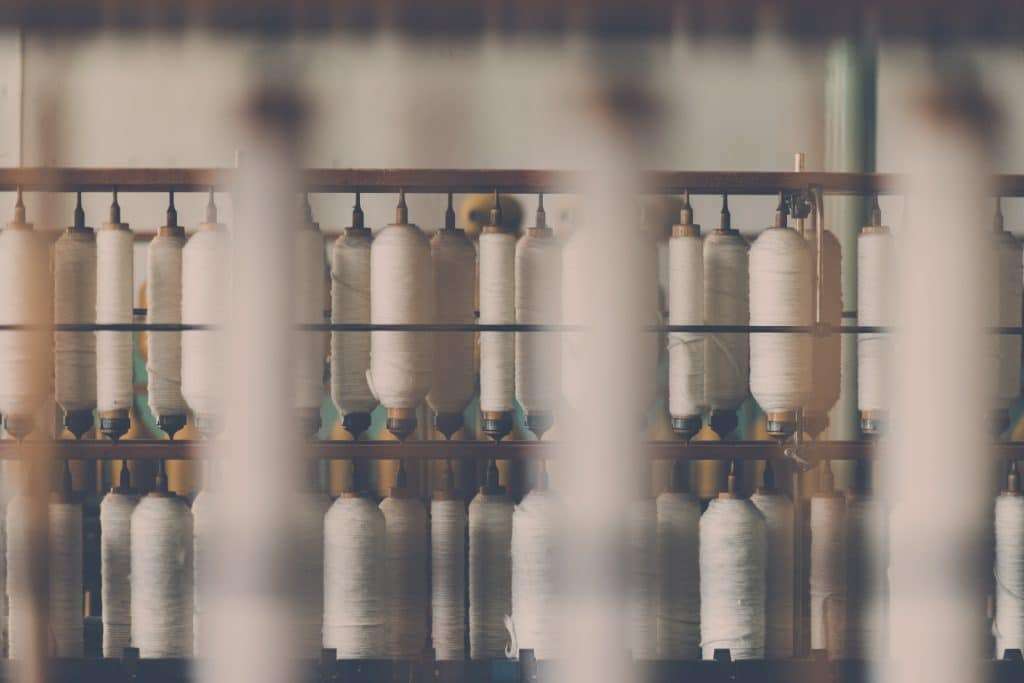
In addition, sustainable fashion brands often embrace the circular economy model, encouraging recycling, repair, and the return of used products to extend their lifecycle – a growing trend, particularly among luxury labels. These labels aim to minimize their carbon footprint by using renewable energy sources and eco-friendly packaging materials. Many sustainable labels also incorporate upcycling and slow fashion principles into their designs, creating unique pieces that transcend seasonal trends.
But it’s also important to keep in mind that some labels, particularly larger ones like those at the top of the list below, haven’t necessarily implemented sustainability practices across all collections. These changes take time; it can be working with a supplier to undergo the organic certification process or looking for a more planet-friendly alternative to leather, plastic, and other materials.
For labels that haven’t yet moved all of their collections into a sustainable supply chain, there can still be reason to support those labels. Look for tansparency and traceability — essential components of sustainable fashion, as brands provide information about their sourcing and production processes and their not-yet-sustainable opportunities. These candid reveals help to encourage conscious consumerism and cultivate trust with consumers as the label points out its own work-in-progress status.
Sustainable Italian luxury brands

1. Gucci
Gucci has made a dedicated commitment to a ‘Culture of Purpose’ with sustainability at its core. The company’s focus lies in reducing environmental impact through traceability, supply chain efficiency, and the use of eco-friendly materials. It has taken a stance to become carbon neutral and advocates for animal rights and welfare. Its launched efforts like a circular fashion hub for nascent designers and it is working on developing cell-based leather as a sustainable, ethical alternative to conventional animal hides.

2. Valentino
Valentino’s sustainability commitment revolves around responsible sourcing and ethical fashion. The brand places significant emphasis on enhancing social conditions, respecting human rights, minimizing environmental impacts, and promoting circular economy principles. It became the first couture house to offer deadstock to the public last year. With Gucci parent Kering’s 30 percent investment in Valentino announced earlier this week, the label is likely to see more support for its eco efforts.

3. Bottega Veneta
Embracing “The Art of Well-Made,” Bottega Veneta is deeply devoted to sustainable processes, ethical sourcing, and artisanal craftsmanship. The brand actively works to decrease its environmental footprint, promote responsible luxury, and ensure sustainable growth.

4. Prada
Prada’s dedication to sustainable fashion is evident through efforts like its ‘Re-Nylon’ project, striving to replace all virgin nylon with regenerated nylon by 2023. The brand is also committed to improving supply chain transparency and environmental responsibility. The label’s first foray into jewelry saw its collection made entirely from recycled gold, and the label is leaning into the booming secondhand market.
5. Fendi
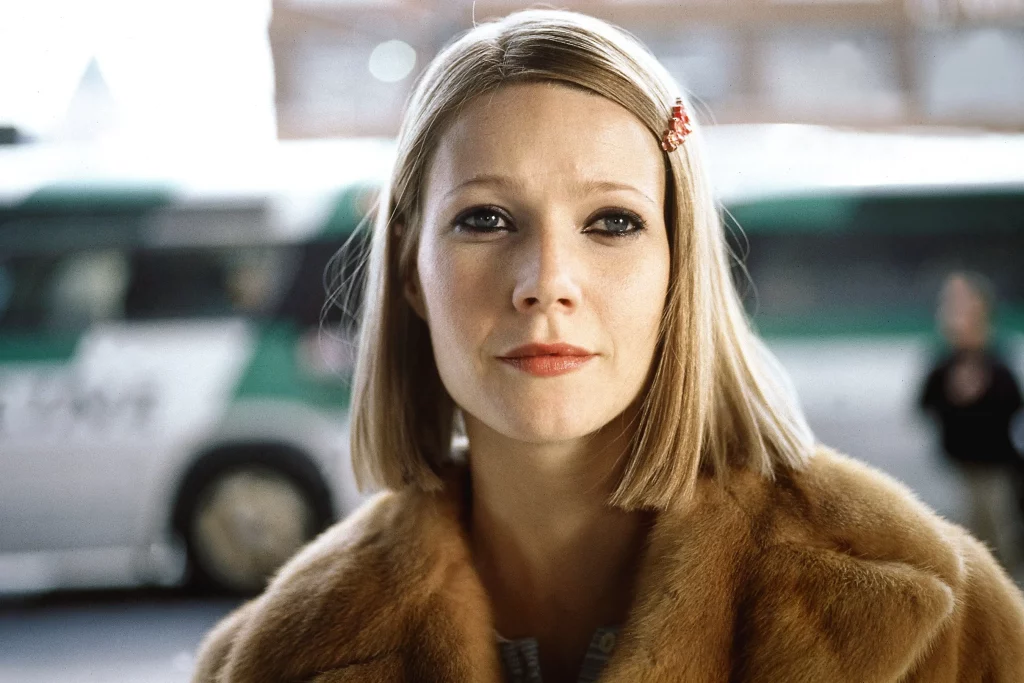
The LVMH-owned Fendi prioritizes preserving craftsmanship while minimizing environmental impacts. The brand has a firm commitment to sustainable product development, utilizing some eco-friendly materials, and maintaining transparency in its production processes. Animal welfare and fair labor practices are also essential aspects of Fendi’s sustainability approach, and the label known for fur could be among the first to debut cell-based fur — a project LVMH announced last year.
6. Salvatore Ferragamo
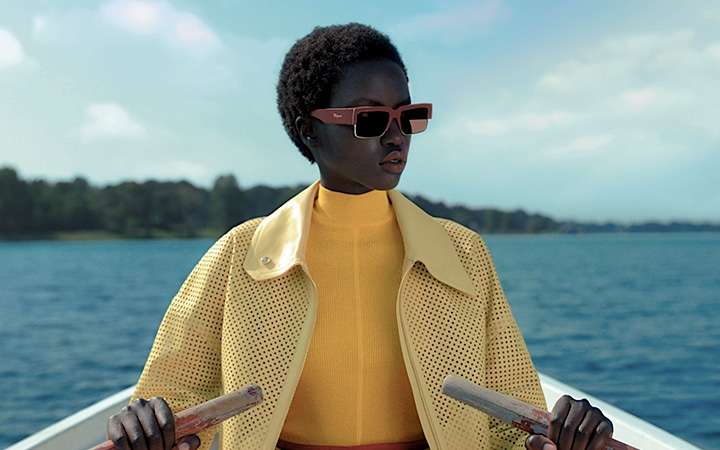
Salvatore Ferragamo centers its sustainability commitment around the “Sustainable Thinking” initiative. The brand focuses on eco-friendly processes, utilizes sustainable materials like organic cotton, and aims to reduce carbon emissions across its entire supply chain. Ferragamo has partnered with various logistic providers to offset all shipping emissions through carbon neutral certified projects. This includes partnerships with UPS and DHL Express, among others.
7. Cangiari
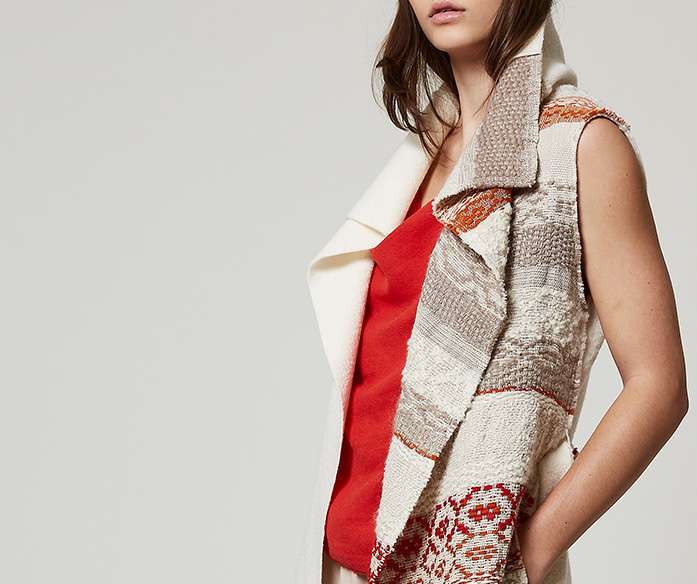
Cangiari, an ethical fashion brand, centers its sustainability commitment around the use of organic materials, promoting fair trade, and preserving traditional craftsmanship. The brand actively strives for social change, poverty reduction, and the preservation of cultural heritage.

8. Gilberto Calzolari
Gilberto Calzolari’s designs exemplify his strong commitment to sustainability, evident in his winning the Green Carpet Challenge. The brand extensively uses upcycled, organic, and certified materials while adhering to ethical manufacturing practices to preserve the environment.

9. Tiziano Guardini
Tiziano Guardini is a pioneering force in eco-friendly fashion, skillfully integrating sustainability with luxury. The brand prioritizes sustainable materials, ethical sourcing, and traditional craftsmanship to ensure a minimal environmental footprint.

10. Poethica
Poethica, a sustainable fashion brand, takes pride in its ethical production and use of eco-friendly materials including its Kind Silk. The brand is deeply committed to responsible manufacturing, promoting the circular economy, and preserving natural resources.
Related on Ethos:
All products featured on Ethos have been independently selected by our editorial team.
When you buy something through our links, Ethos may earn an affiliate commission.
