

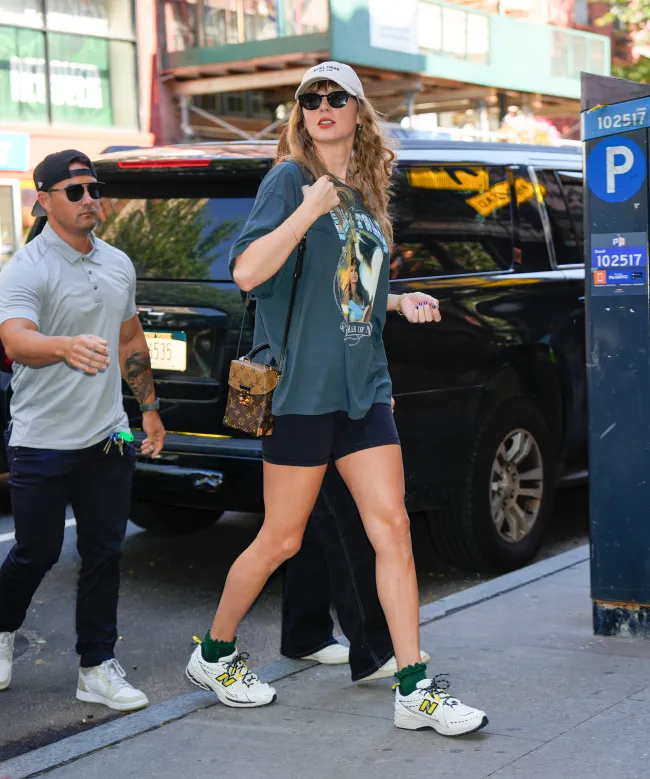
New Balance is joining other prominent sneaker brands like Nike and Adidas in offering its own in-house resale program.
New Balance Reconsidered, the new resale platform for the 118-year-old New Balance, allows customers to return their gently used New Balance sneakers for a voucher, which can be applied to future online purchases. The value of this voucher will vary depending on the traded-in product’s condition and the current season. These pre-owned shoes will then be made available for purchase on a designated section of the company’s website, signaling New Balance’s entry into the burgeoning secondhand fashion market.
New Balance’s foray into resale is part of its larger commitment to environmental sustainability. The company is aligning with the Science Based Targets Initiative, the United Nations-led project aimed at curbing global warming to below 1.5 degrees Celsius. Moreover, New Balance has set ambitious goals to power its operations entirely through renewable electricity by next year. “We know the footwear industry has a significant environmental impact, including too many products ending up in a landfill,” John Stokes, New Balance’s Director of Sustainability, said in a statement. “There are many things that have to shift. Launching Reconsidered is one piece of the puzzle, with a program objective to help extend product life for some of our products and get the most from what is already made.”
The Reconsidered program is powered by Archive, a resale technology firm that recently secured $15 million in funding. Emily Gittins, Archive’s co-founder and CEO, told Glossy the platform has a process of evaluating brands before signing them. “They have to have a quality product that can stand up to being worn many times, and they need to have enough product to have a liquid marketplace. There are a lot of great brands who are interested and want to launch resale one day, but they just don’t have the scale yet.” Archive also recently partnered with Pangaia and The North Face.
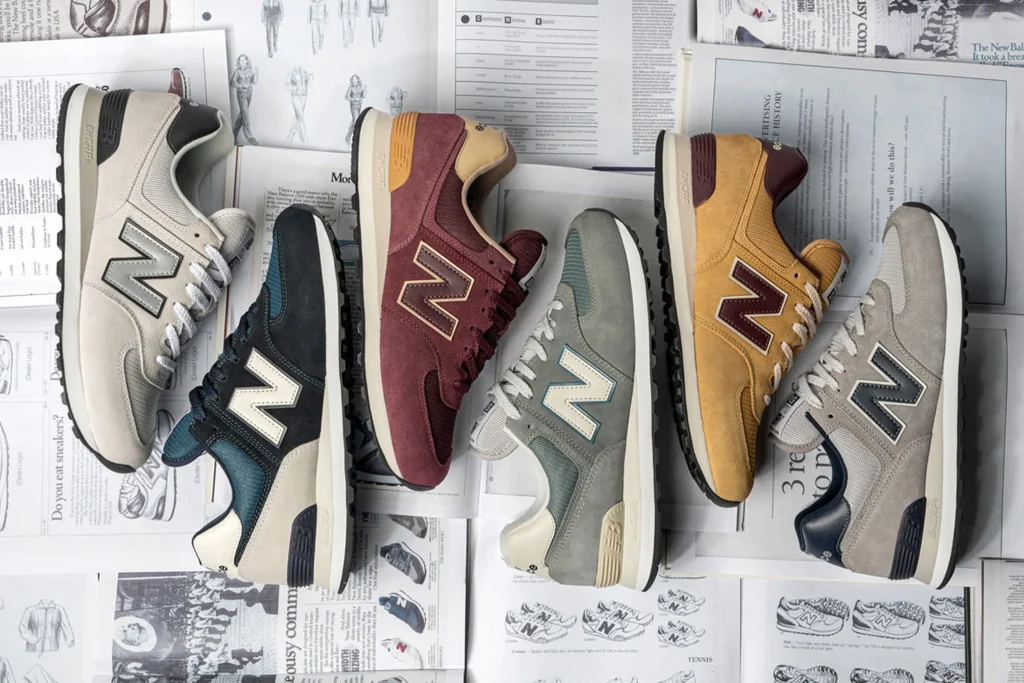
“Offering this ourselves is an important part of taking more responsibility for the products we put into the world and is an important step toward creating a more circular footwear industry,” Stokes said, emphasizing the broader implications of this initiative on New Balance’s climate objectives and the industry at large. “We have to start taking steps to learn and adjust. Bigger picture, this focus on longevity and circularity feeds into our ambitious climate goals, which does include finding new ways to generate business value that is not solely dependent on new product creation.”
There are exceptions to what the brand will accept, including “sneakers with heavy creasing, excessive scuffing, heavy tread wear, [notable] insole wear, significant staining, shoes with rips, tears, or holes, and damaged labels.” But even if a shoe is not fit for resale, New Balance says it will donate the shoes to local nonprofit organization Soles4Souls, which helps to place the shoes.
The introduction of resale initiatives like New Balance’s new program also presents a promising solution to the retail sector’s costly dilemma of product returns, which has escalated into a billion-dollar issue. By establishing efficient logistical systems, companies can repurpose returned merchandise by listing them on their resale platforms. These items, often in mint condition from previous collections, are ideal candidates for discounted sales. This approach offers a more sustainable alternative to the current practices handling the bulk of returned goods in the fashion industry. Traditionally, returned items that are damaged or cannot be resold are often destined for landfills, incineration, or prolonged storage in warehouses, contributing to environmental degradation and resource wastage.
Related on Ethos:
